
Last updated November 2, 2026
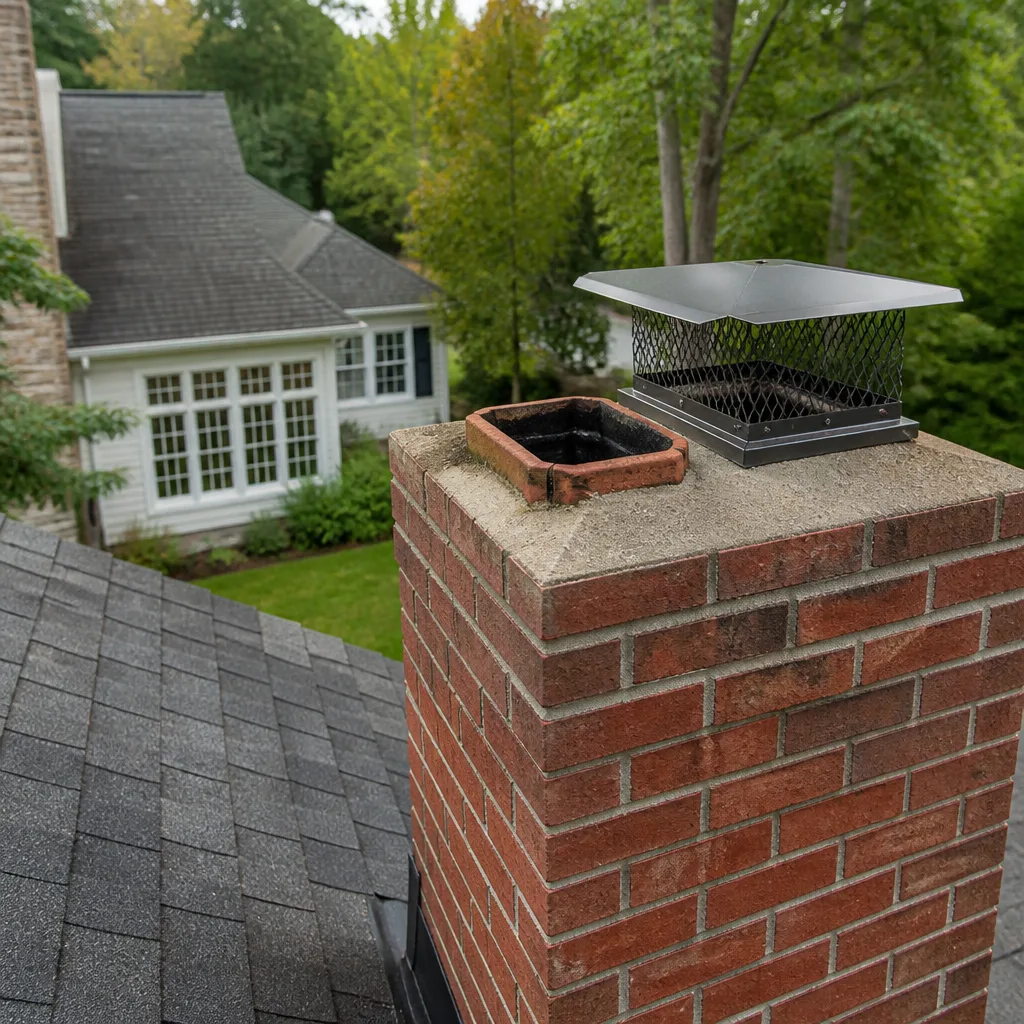 Sweep & inspection
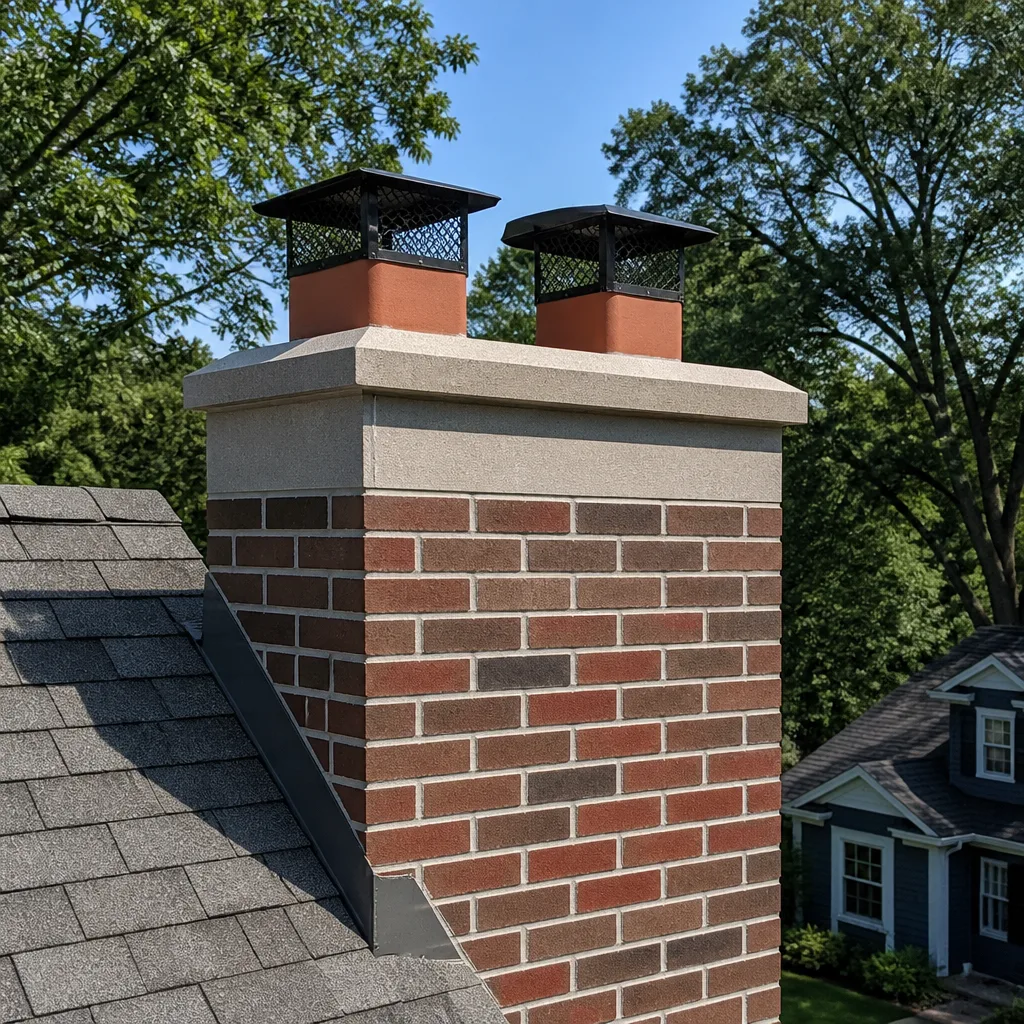 Caps & crowns
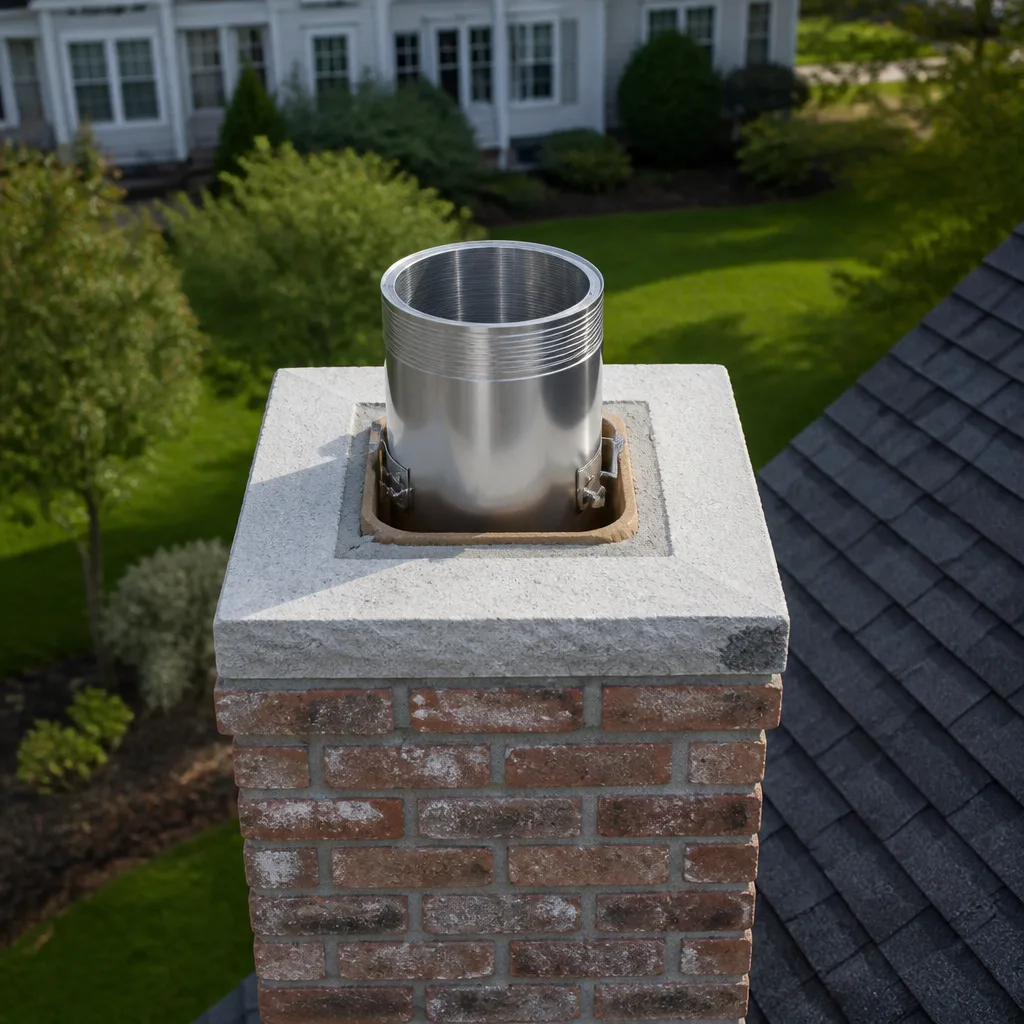 Flue relining
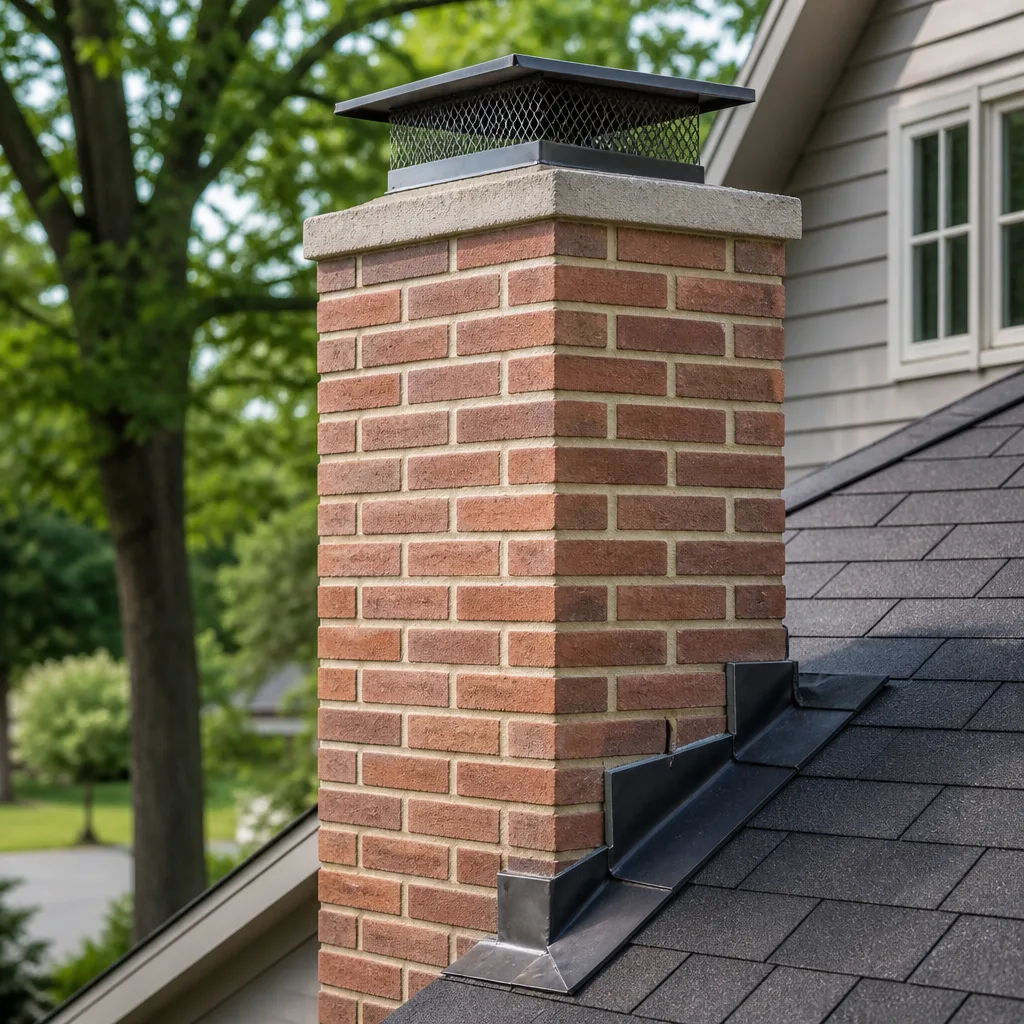 Masonry repair
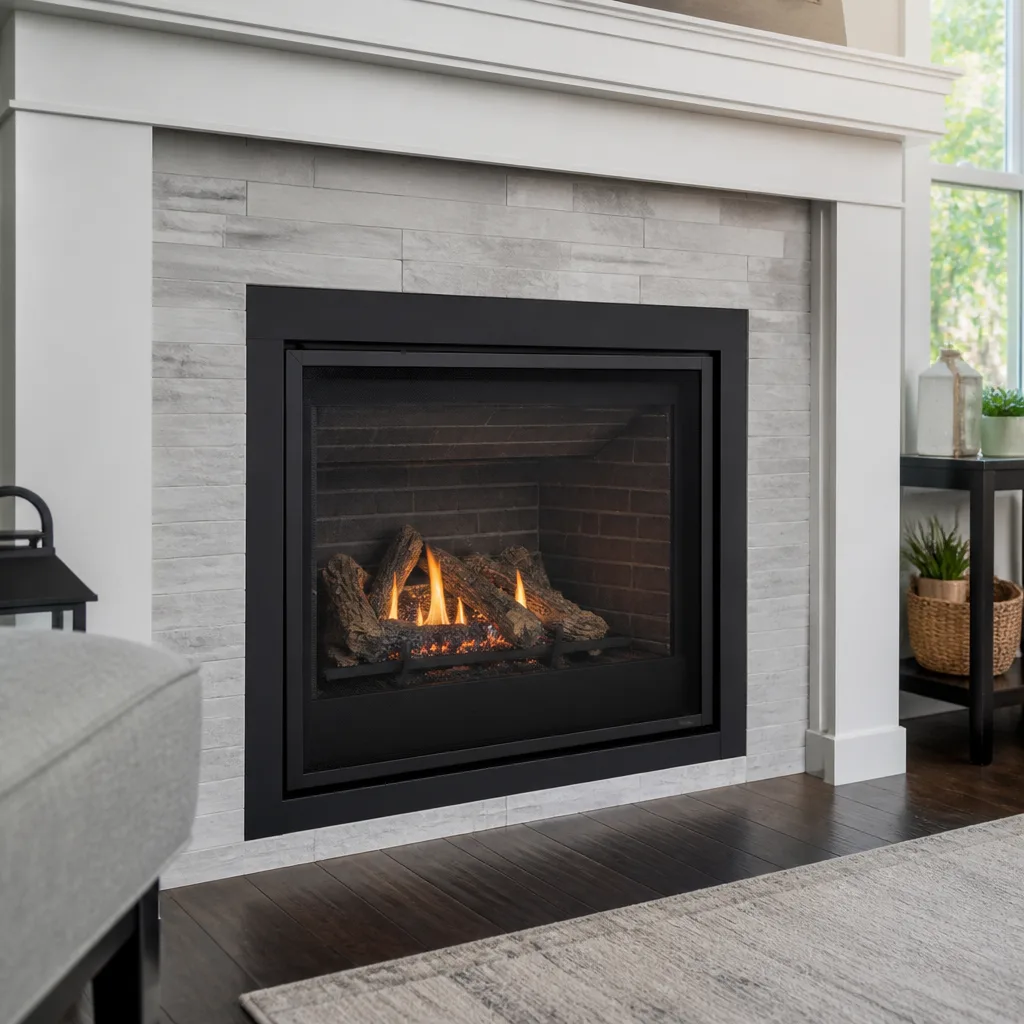 Gas fireplace service
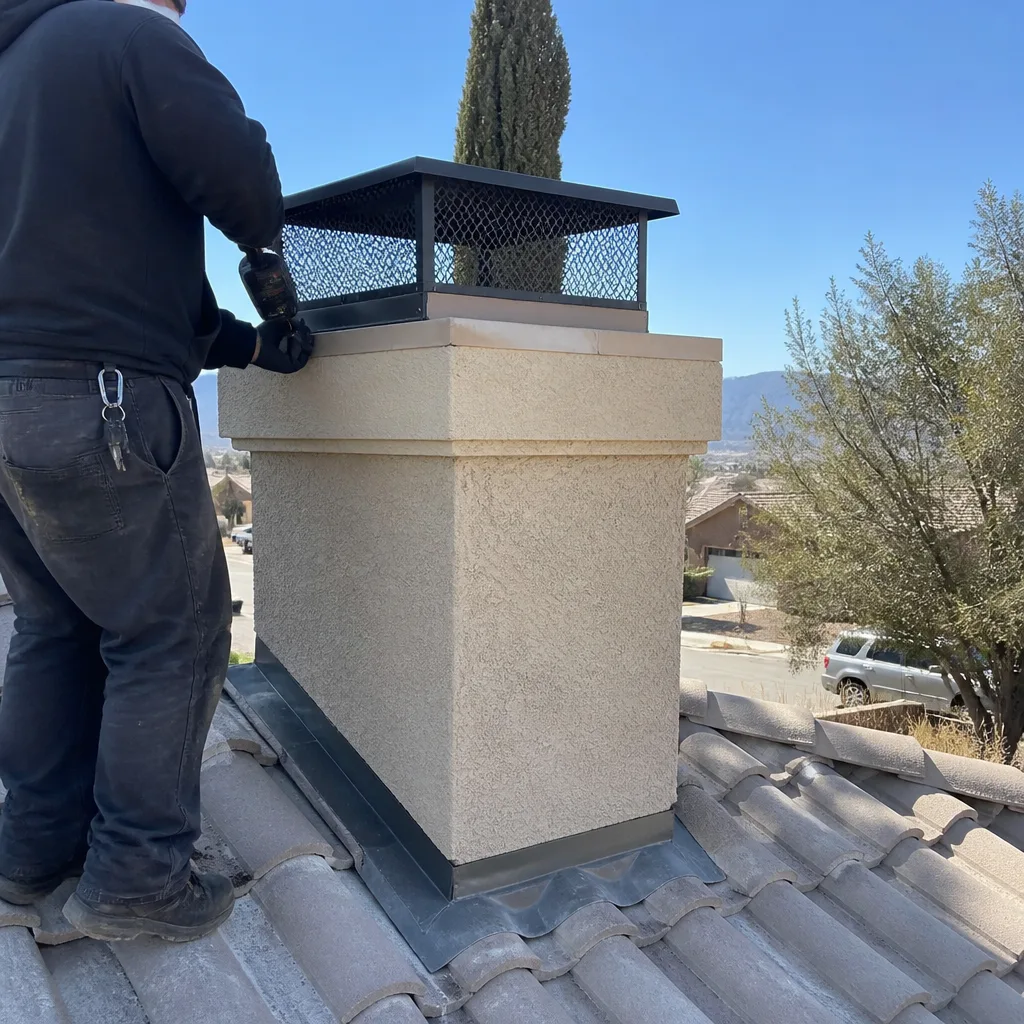
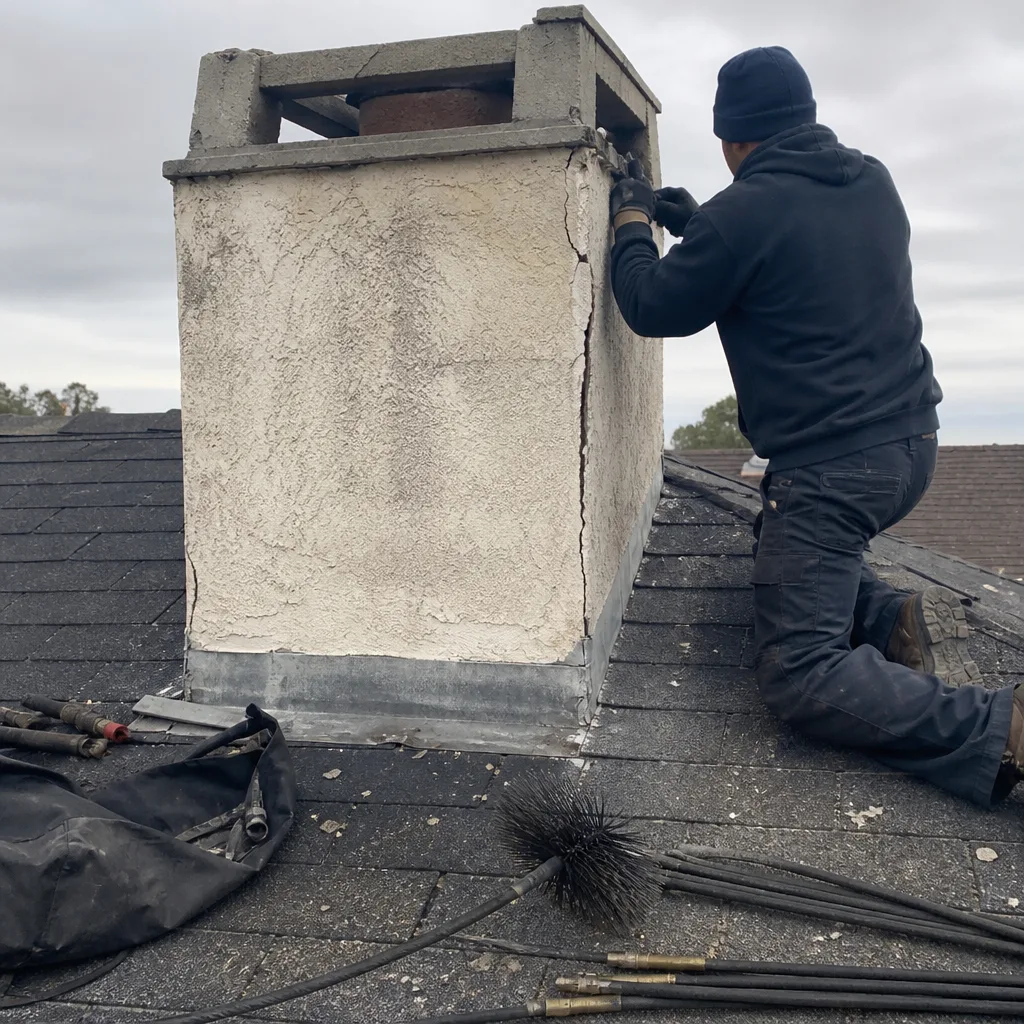
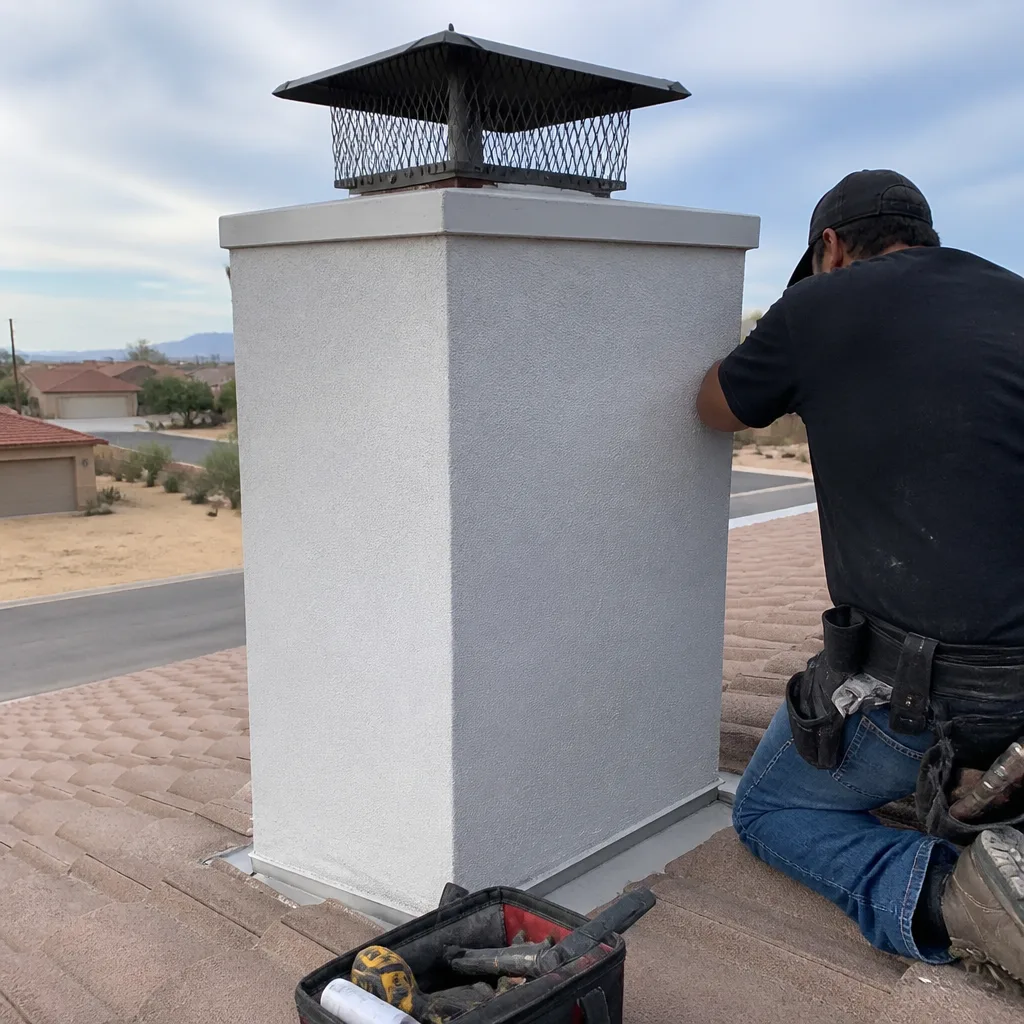
Level 1 sweep and inspection to the NFPA 211 annual standard - flue, crown, cap, and flashing checked and photographed
Chimney sweep logs do not sweep chimneys. They loosen some creosote - which then falls where a brush and vacuum still have to collect it.
DIY vs Professional Chimney Cleaning: The Hesperia Homeowner’s Decision Guide
A homeowner with a chimney brush and a drop cloth can remove loose soot. But they can’t see the Stage 2 glazed creosote coating the upper flue tile that same brush slides right over. That’s the uncomfortable truth at the center of the DIY chimney cleaning debate, and it’s one we see play out in Hesperia homes every fall. This guide draws a clear line between what you can safely handle yourself and what requires a trained eye, proper equipment, and professional documentation. By the end, you’ll know exactly where DIY makes sense, where it creates a false sense of security, and how to protect your home without spending money you don’t need to spend.
Styles & brands we work with
- Sweep & inspection
- Caps & crowns
- Flue relining
- Masonry repair
- Gas fireplace service
Quick Answer
DIY chimney cleaning is genuinely safe and effective for three specific tasks: firebox ash removal, visual cap inspection, and damper operation checks. However, actual flue cleaning requires professional equipment and training because a standard brush set cannot remove Stage 2 glazed creosote, cannot inspect the full flue interior for cracks or blockages, and leaves no documentation for your homeowner’s insurance if a chimney fire occurs. Most Hesperia homeowners get the best result from a hybrid approach: handle the simple maintenance tasks themselves, and schedule a professional sweep before each burning season for the work that actually reduces fire risk. See our Seasonal Chimney Cleaning Care for Hesperia: Year-Round Homeowner’s Guide for timing tips.
Table of Contents
- What DIY Can Genuinely Handle
- What DIY Misses: The Creosote Problem
- The Equipment Cost Reality
- The Insurance Liability Gap
- Why Hesperia Conditions Matter
- The Hybrid Approach That Works
- Common Mistakes to Avoid
- When to Call a Professional
- Frequently Asked Questions
- The Bottom Line
What DIY Can Genuinely Handle
We get asked this all the time from homeowners in Hesperia who want to be responsible about their fireplaces without paying for services they don’t need. Here’s our honest answer: there are three tasks you can do yourself that genuinely contribute to chimney health.
1. Firebox Ash Removal
Wait at least 72 hours after your last fire before removing ash. Use a metal scoop and a metal ash bucket with a tight-fitting lid. Never use a paper bag, plastic bucket, or cardboard box, even if the ash feels cold. Embers can survive buried in ash for days, sometimes weeks. Move slowly to avoid kicking up fine particulate, and store the closed bucket outside on a non-combustible surface like concrete or dirt, away from the house. When you’re done, wipe down the firebox walls with a dry cloth. Don’t use water. In Hesperia’s dry climate, ash is especially fine and airborne. A light misting from a spray bottle helps settle it before you scoop.
2. Cap Visual Inspection
Stand back from the house and look at the chimney cap. You’re checking for three things: visible rust, missing or bent screening, and animal activity like nesting material sticking out. Use binoculars if you have them. If the cap looks intact and the screen is continuous, that’s all you need to do. If you see damage, call a professional. Do not climb onto the roof in Hesperia after a windstorm. The desert wind, combined with aging roof tiles common in older Hesperia neighborhoods, creates a fall hazard that isn’t worth the risk. A phone camera with a zoom lens can capture what you need to show us.
3. Damper Operation Check
Open and close your damper several times. It should move smoothly with consistent resistance. Listen for grinding, note any sticking points, and check that it seals reasonably well when closed. A damper that won’t fully open is a carbon monoxide risk when you burn. A damper that won’t fully close leaks conditioned air all year. If your damper is misbehaving, write down what you’re observing. It’s often repairable without replacing the whole assembly. This is the kind of specific information that helps us diagnose problems faster when you do call.
These three tasks are genuinely useful. They keep the firebox ready, catch cap problems early, and confirm the damper is functional. What they don’t do is clean the flue, which is where the actual fire risk lives.
What DIY Misses: The Creosote Problem
Creosote is the residue left behind when wood smoke condenses on the cooler walls of your chimney flue. It comes in three stages. Stage 1 is a light, dusty soot that brushes off easily. Stage 2 is a shiny, tar-like glaze that hardens as it cures. Stage 3 is a thick, hardened layer that can look like blackened bark and is extremely difficult to remove without professional tools.
Here’s what matters for the DIY question: a homeowner with a standard chimney brush set can remove Stage 1 deposits. That’s what most big-box store kits are designed for. But in High Desert homes in Hesperia where wood stoves and fireplaces burn hot and fast during cold winter nights, creosote routinely progresses past Stage 1. The hot fire heats the flue, then the cold High Desert night drops the temperature quickly. That thermal cycling is exactly what causes creosote to form faster and cure harder.
A standard brush slides over glazed Stage 2 creosote without removing it. The bristles can’t get purchase on the smooth, hardened surface. What the homeowner sees afterward is a chimney that looks cleaner at the bottom, while the actual fire hazard remains higher up in the flue. That’s the false sense of security we mentioned in the opening. The worst possible outcome isn’t skipping a cleaning altogether. It’s doing a partial cleaning, believing the job is done, and burning confidently all winter with a compromised chimney.
Professional sweeps use rotary loop systems with steel or carbide-tipped heads that can break through Stage 2 and Stage 3 deposits. Some situations require chemical treatments like Cre-Away or Poultice Creosote Remover to convert glazed creosote into a brushable form. These products need time to work and follow-up brushing. The point is that glazed creosote is a material problem that requires the right tools and technique. A run-of-the-mill brush set, even a decent one, doesn’t solve it.
The Equipment Cost Reality
Let’s talk numbers, because the DIY pitch usually starts with “why pay someone when you can do it yourself?” Our Chimney Cleaning Cost Breakdown: The Hesperia Homeowner’s Reference for 2026 covers this in detail, but here’s what actually goes into doing the job correctly.
A proper HEPA-filter vacuum built for fine particulate runs $250 to $400. A standard shop vac is not acceptable for chimney work. It will exhaust the fine soot and creosote particulate right back into your living room. That’s not just messy. Creosote dust is a respiratory irritant, and breathing it during a DIY chimney cleaning is worse for your lungs than leaving the chimney alone.
A quality chimney brush set sized for your flue costs $80 to $150. You’ll need flexible rods that extend the full length of the chimney, which adds another $60 to $100 depending on the flue height. Hesperia homes range from single-story ranches to two-story dwellings, so flue length varies. A camera scope that can inspect the upper flue correctly runs $100 to $200 for a usable model.
Add in drop cloths, gloves, goggles, a dust mask rated for fine particulate, and a chimney cap cover if you need to seal off the crown while working. You’re looking at $600 to $900 total for equipment that does the job once. A professional chimney sweep in Hesperia typically costs in the $250 to $400 range for a standard cleaning. The professional brings the right tools, the training to use them, and the documentation you need. The math on DIY doesn’t work unless you plan to clean your own chimney every year for six or seven years, and you’re willing to accept the limitations of consumer equipment on glazed creosote.
The Insurance Liability Gap
This is the part of the DIY conversation that almost no one discusses, and it’s the one that matters most when things go wrong. A chimney fire is a serious event. Even a contained chimney fire causes flue damage because the extreme heat can crack clay tile liners or warp metal ones. When a homeowner files a fire insurance claim after a chimney fire, what does the insurance company ask for first? Documentation. Specifically, proof that the chimney was professionally inspected and cleaned on a regular schedule.
A homeowner who can produce a receipt from a professional chimney sweep showing an annual cleaning and inspection stands in a fundamentally different position than one who has to explain that they “cleaned it themselves.” The insurance company’s position is straightforward: you either have third-party documentation that the system was maintained, or you don’t. Without it, a claim can be delayed, reduced, or denied depending on the policy language and the circumstances of the fire. Chimney fires are specifically addressed in many homeowner policies, and the fine print often requires professional maintenance as a condition of coverage.
This doesn’t mean every DIY cleaning voids your insurance. It means the burden of proof shifts. A professional sweep provides a dated record of service, a written condition report, and liability coverage that extends to the work performed. A homeowner’s own word carries much less weight. In Hesperia, where wood-burning fireplaces are common and the fire season can stretch for months, this documentation gap is worth considering before you decide to go it alone.
Why Hesperia Conditions Matter
Hesperia sits in the High Desert, and that means a few things that change the chimney equation. The first is wind. Sustained winds during the fall and early winter move dust and debris constantly, and your chimney cap is catching whatever the wind carries. Pine needles, tumbleweed fragments, and fine desert dust all work their way into chimneys without proper caps. That debris becomes fuel or blockage, and both are fire hazards.
The second factor is temperature swing. Hesperia nights drop fast in the fall. A hot fire at 9 p.m. followed by an overnight low in the thirties means rapid cooling of the entire chimney system. That thermal cycle is precisely what accelerates creosote buildup and hardening. Homes in milder coastal climates don’t see this effect to the same degree. Hesperia fireplaces and wood stoves run harder, cool faster, and build Stage 2 creosote quicker as a result.
The third factor is the fuel source. Many Hesperia homeowners burn wood they source locally, and that wood varies in moisture content. Unseasoned or partially seasoned wood produces more smoke, lower fire temperatures, and significantly more creosote. Even homeowners who think they’re burning good wood often aren’t. A moisture meter test costs little and tells you exactly what you’re working with. If you’re burning wood that hasn’t been split and stacked for a full year, your creosote risk goes up regardless of how often you clean.
These conditions don’t make Hesperia chimneys impossible to maintain. They make the maintenance schedule more important. A chimney that works fine in a mild climate on an annual cleaning might need more attention here. The hybrid approach acknowledges this reality.
The Hybrid Approach That Works
The smartest Hesperia homeowners we work with don’t choose between DIY and professional cleaning. They do both, in a sequence that maximizes usefulness and minimizes cost. Here’s how it works.
- Before burning season starts (September or October): Schedule a professional chimney sweep and inspection. This is the cleaning that sets the baseline. A professional removes Stage 1 and Stage 2 creosote, checks the flue for cracks or deterioration, and confirms the cap, crown, and damper are all functional. After this visit, you have a documented clean chimney and a written condition report for your records.
- During burning season (November through February): Handle the three DIY tasks we outlined earlier. Remove ash after fires, check the cap visually after windstorms, and confirm the damper is operating correctly. These are the tasks that keep your system working between professional visits.
- After burning season (March or April): Do a final ash removal, close the damper completely, and note any changes you observed during the season. If you noticed drafting problems, unusual smoke, or visible residue in the firebox, mention them when you schedule the next professional visit.
- Off-season (May through August): Keep the damper closed to reduce heat loss in the summer. If you’re replacing a roof or doing other structural work, now is the time to have the chimney crown and flashing checked. Our chimney repair service in Hesperia can address issues before they become urgent.
This approach costs you one professional cleaning per year plus a few minutes of simple maintenance per month. It gives you three things: a safe chimney, an annual written record for insurance purposes, and a system that catches problems early rather than after they become expensive or dangerous.
Between cleanings, burn only seasoned wood with a moisture content below 20%. Use a moisture meter, not your best guess. Your fire burns hotter and cleaner, and your creosote buildup slows significantly. That’s the single most impactful habit change a Hesperia homeowner can make to extend the interval between professional cleanings responsibly.
Common Mistakes to Avoid
- Using a standard shop vac for chimney cleaning. Without a HEPA filter, you’re blowing creosote dust back into your home. The particulate hangs in the air for hours and settles on every surface. If you’re going to do any cleaning around the fireplace, use a vac rated for fine particulate or don’t vacuum at all.
- Cleaning the firebox and assuming the chimney is clean. The firebox is the easiest part to access and the least fire-critical. A clean firebox tells you nothing about the condition of the flue above. In Hesperia homes where the flue runs through a cold attic space before exiting the roof, the upper flue is where problems concentrate.
- Burning unseasoned wood because it was cheap or convenient. Wet wood produces cool, smoky fires that deposit creosote rapidly. Free or cheap wood that isn’t properly seasoned costs you more in the long run through faster buildup and increased fire risk. A moisture meter solves the guessing game.
- Skipping the cap inspection because it’s hard to see. Most roofs in Hesperia aren’t safe to walk on without proper training and equipment. That’s fine. A visual inspection with binoculars from the ground catches most cap problems. Damaged caps let rain, animals, and debris into the flue, and that accelerates deterioration faster than anything except chimney fires.
- Assuming a gas fireplace doesn’t need attention. Gas fireplaces and inserts still need regular inspection. Venting systems can block, burners can accumulate dust and debris from Hesperia’s windy conditions, and gas log sets need periodic adjustment. The fire risk profile is different from wood-burning, but it isn’t zero.
- Treating a chimney sweep as optional after buying a new home. Unless the seller provided a professional inspection report from within the last 12 months, you don’t actually know what condition the chimney is in. Previous owners in Hesperia sometimes used fireplaces heavily or not at all, and both patterns create different problems.
- Ignoring dryer vents because they’re “not a chimney” issue. We include this because we see the pattern constantly. A homeowner maintains the fireplace perfectly and ignores the dryer vent, which the U.S. Fire Administration identifies as a leading cause of residential structure fires. Lint blockage is a fire risk that builds invisibly over time. Our dryer vent cleaning service in Hesperia addresses this risk directly.
When to Call a Professional
Call a professional if you notice any of these: smoke spilling back into the room during normal burning, a strong odor coming from the fireplace when it’s not in use, visible creosote that looks shiny or glassy rather than dusty, water stains on the ceiling near the chimney, or animals in the chimney (you’ll usually hear scratching or fluttering). These indicate issues beyond what DIY maintenance can address. A chimney with a cracked flue liner or a blocked flue is a genuine fire and carbon monoxide hazard. The inspection and chimney repair work in Hesperia should be handled by a professional. Our chimney sweep service in Hesperia covers inspection as part of every cleaning. Call Chimney Sweep Hesperia at (855) 382-8016 for a free estimate. We’ll tell you honestly if a cleaning is needed or if your chimney can safely wait.
Frequently Asked Questions
Professional chimney cleaning in Hesperia typically costs between $250 and $400 for a standard sweep and inspection. The price varies based on flue height, creosote condition, and whether additional services like cap replacement or dryer vent cleaning are included. Call (855) 382-8016 for an exact quote. Estimates are free, and we provide a written report with every cleaning.
Most wood-burning chimneys in Hesperia should be professionally cleaned once per year, before the burning season starts. Homes that burn heavily, use unseasoned wood, or run a wood stove as primary heat may need cleaning twice per season. The National Fire Protection Association standard calls for cleaning when creosote buildup reaches 1/8 inch, which is measurable during inspection.
Chimney cleaning logs are a maintenance aid, not a replacement for professional sweeping. They contain chemicals that can help convert some creosote into a more brushable form, but they don’t remove the residue. In our experience with Hesperia homes, cleaning logs work best after a professional sweep as a between-cleanings supplement, not as a standalone solution. They give a false sense of security if used alone.
Skipping one year of cleaning means creosote continues to build on whatever deposits existed before. Stage 2 creosote cures harder, Stage 3 can form, and the fire risk increases meaningfully. Critically, you also miss the annual inspection. Minor cracks or cap damage that would have been caught early can progress into expensive repairs or dangerous conditions. The cost of a missed cleaning is often a much larger repair bill later.
Gas fireplaces need less frequent cleaning than wood-burning ones, but they still need regular inspection. Gas logs produce moisture and acid residue that can corrode flue components over time. Venting systems accumulate debris from Hesperia’s wind and dust. An annual inspection catches vent blockages and burners that need service. The risk profile is lower than wood-burning, but not zero.
Dryer vent cleaning addresses a separate fire risk with the same professional approach. Lint buildup in dryer vents is one of the leading causes of residential structure fires according to the U.S. Fire Administration. The tools and training overlap significantly with chimney work. We offer dryer vent cleaning in Hesperia precisely because treating fireplace safety without addressing the dryer vent is incomplete fire prevention.
The Bottom Line
The DIY versus professional chimney cleaning decision isn’t binary. It’s about matching the right tool to the right task. Homeowners in Hesperia can and should handle firebox ash removal, cap visual checks, and damper operation testing. These tasks keep the system functional between professional visits. But the actual flue cleaning requires professional equipment, factory training, and documentation that only a sweep can provide. The hybrid approach gives you the best of both: lower cost than outsourcing everything, better safety than doing everything yourself, and a written record that protects you if something goes wrong. Call Chimney Sweep Hesperia at (855) 382-8016 for the professional part of that equation, and explore our more guides & resources to keep your chimney safe year-round. We’ll handle the flue, you handle the ash, and together we’ll keep your home safe through every High Desert winter.
Written by the team at Chimney Sweep Hesperia, serving Hesperia since 2014.
See the difference
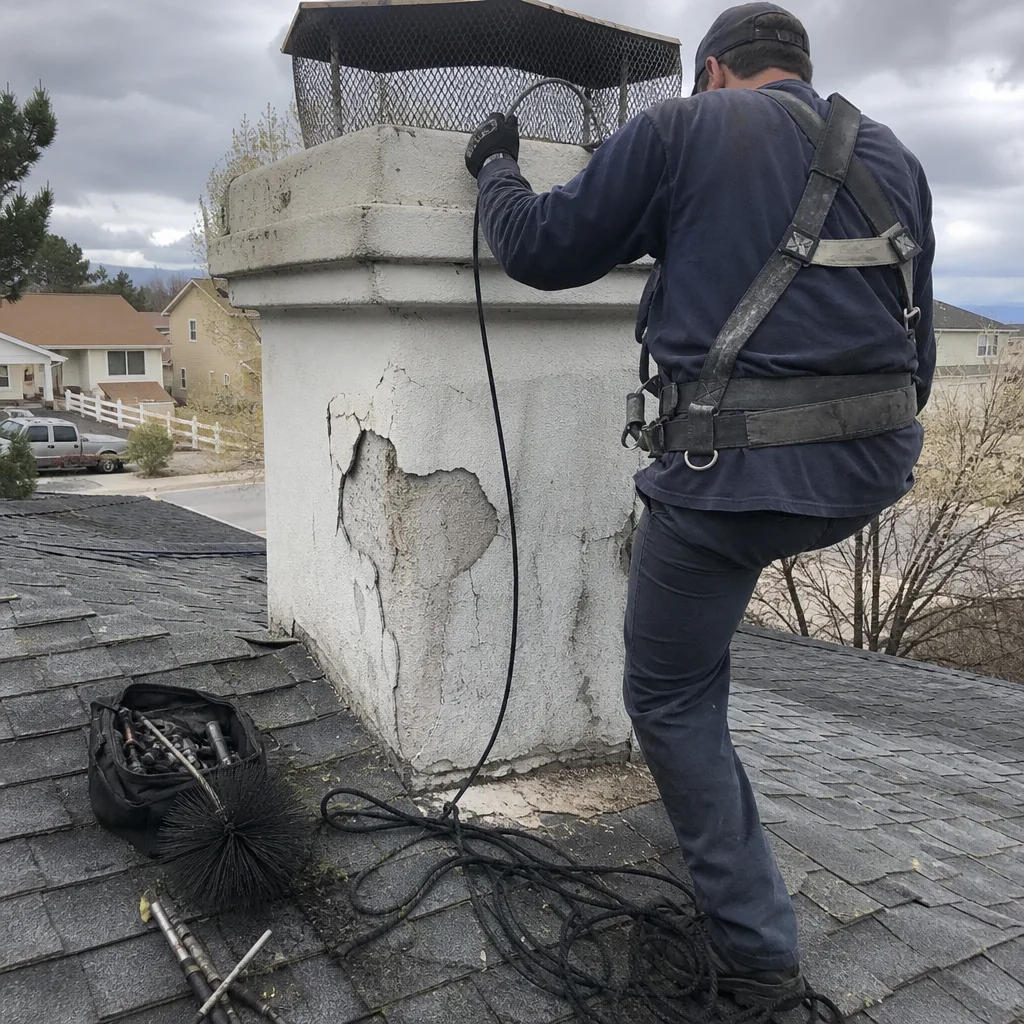 Before
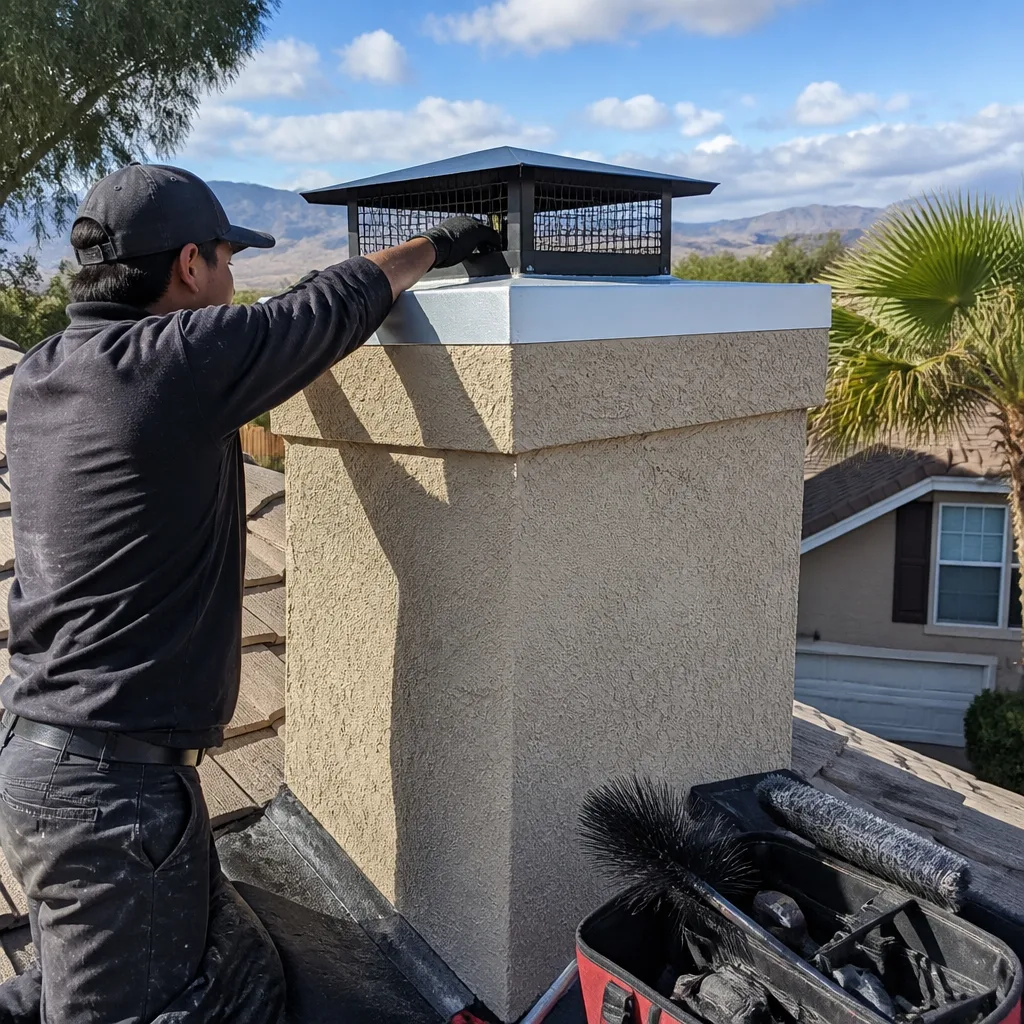 After
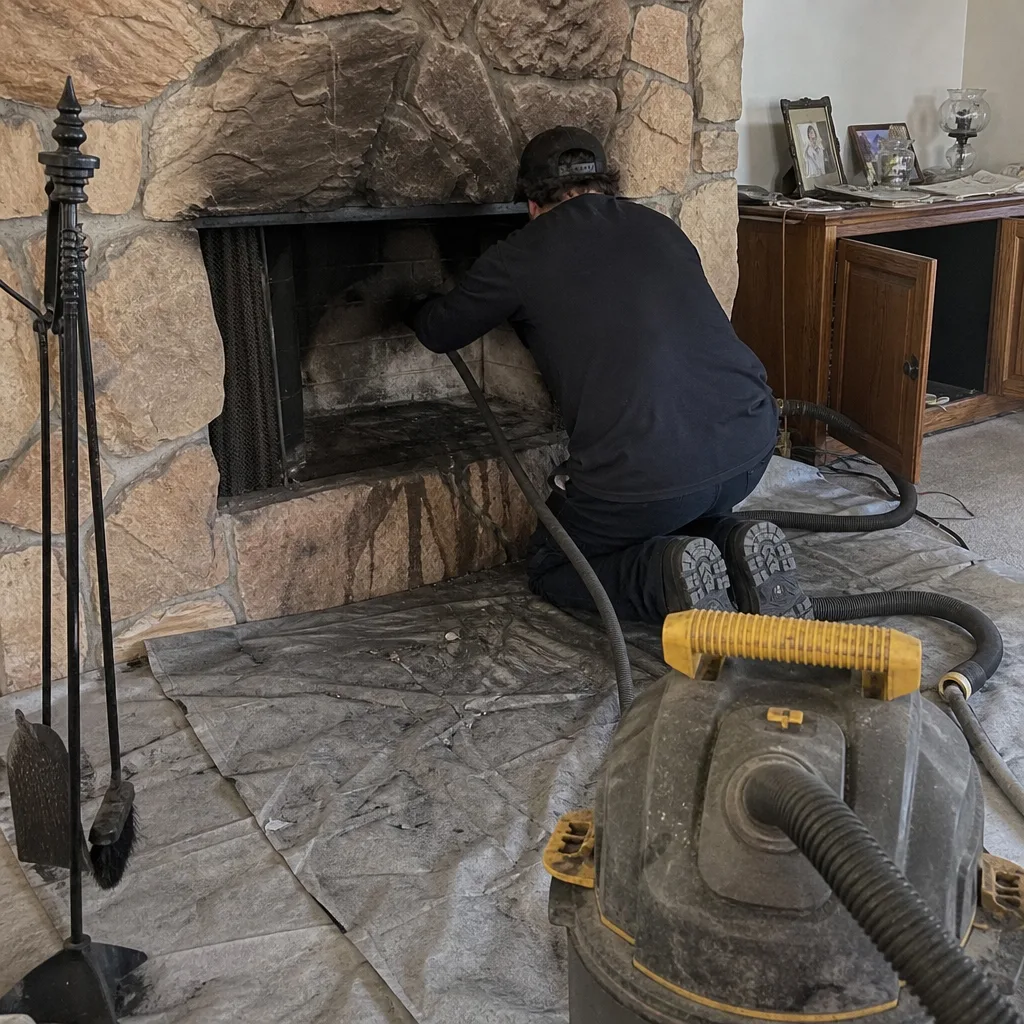 Before
 After
 Before
 After