
Last updated November 2, 2026
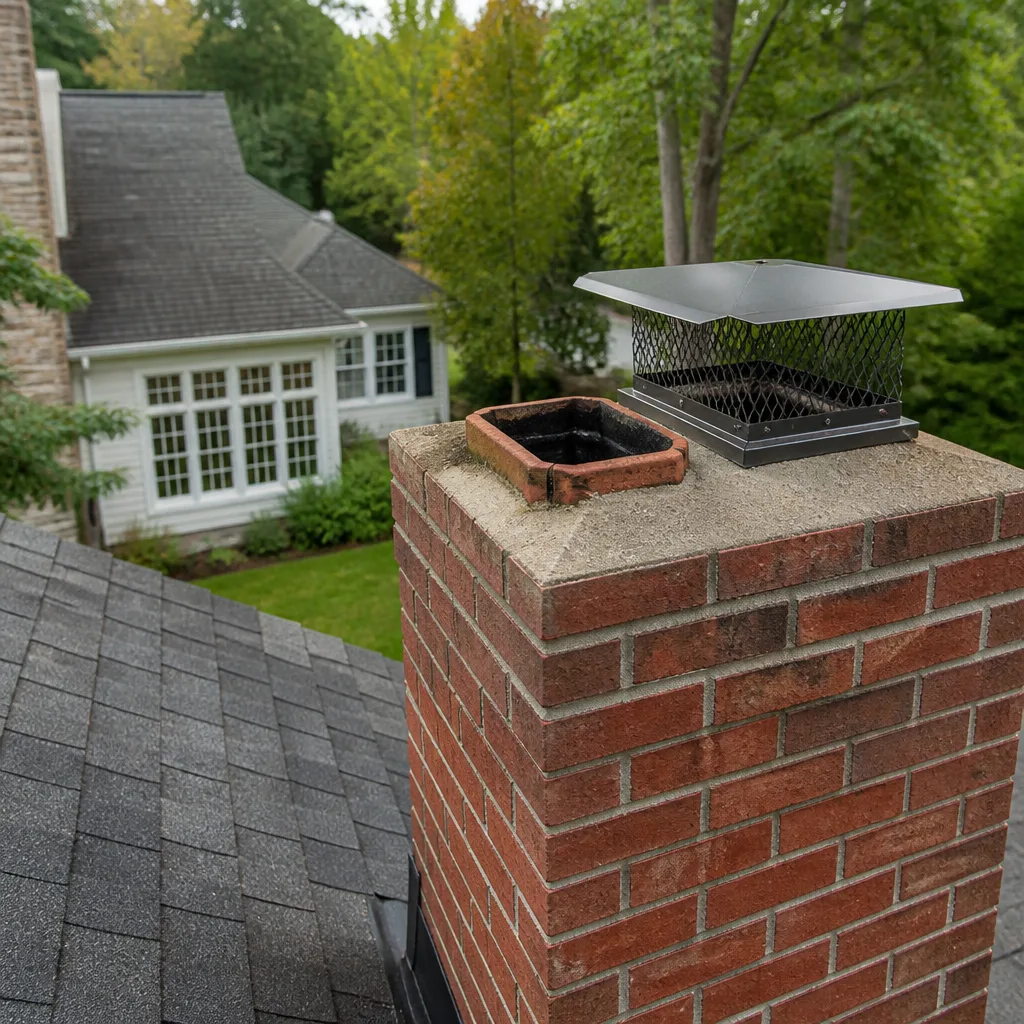 Sweep & inspection
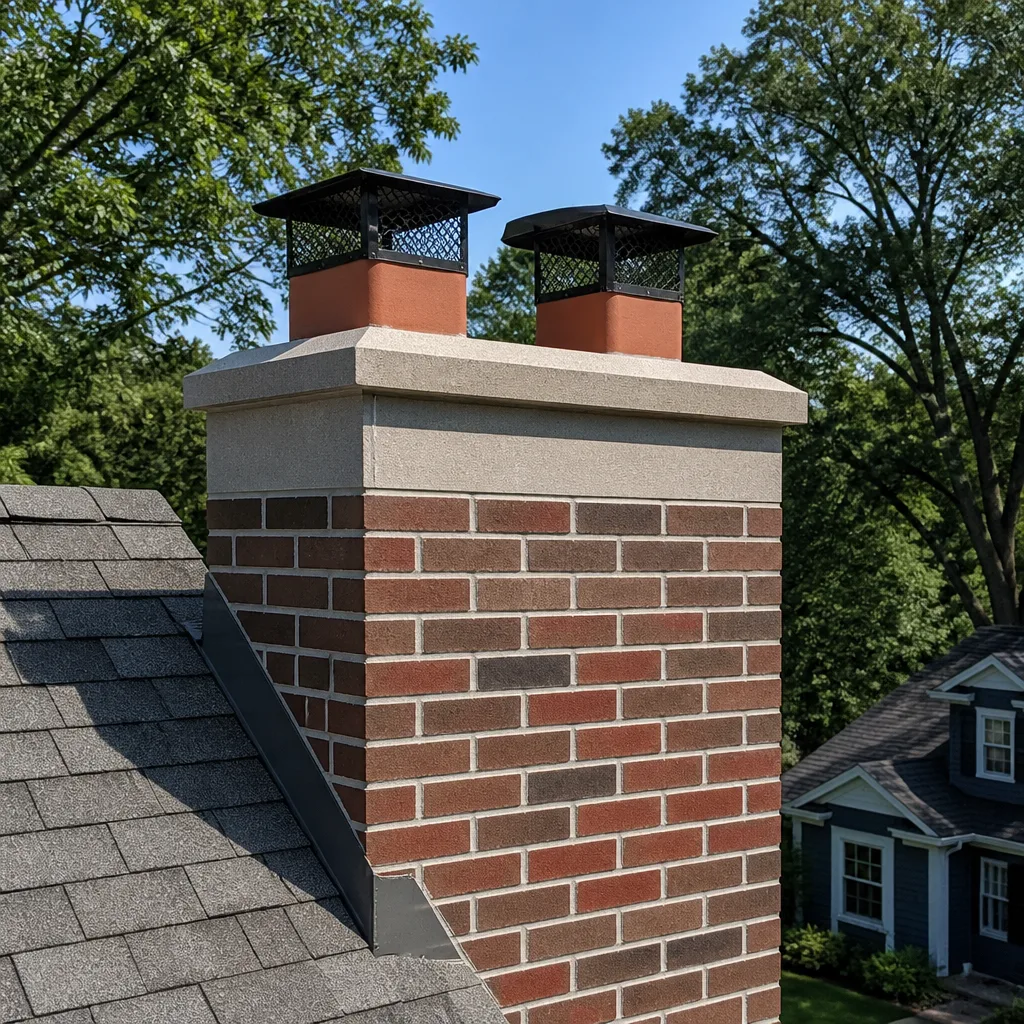 Caps & crowns
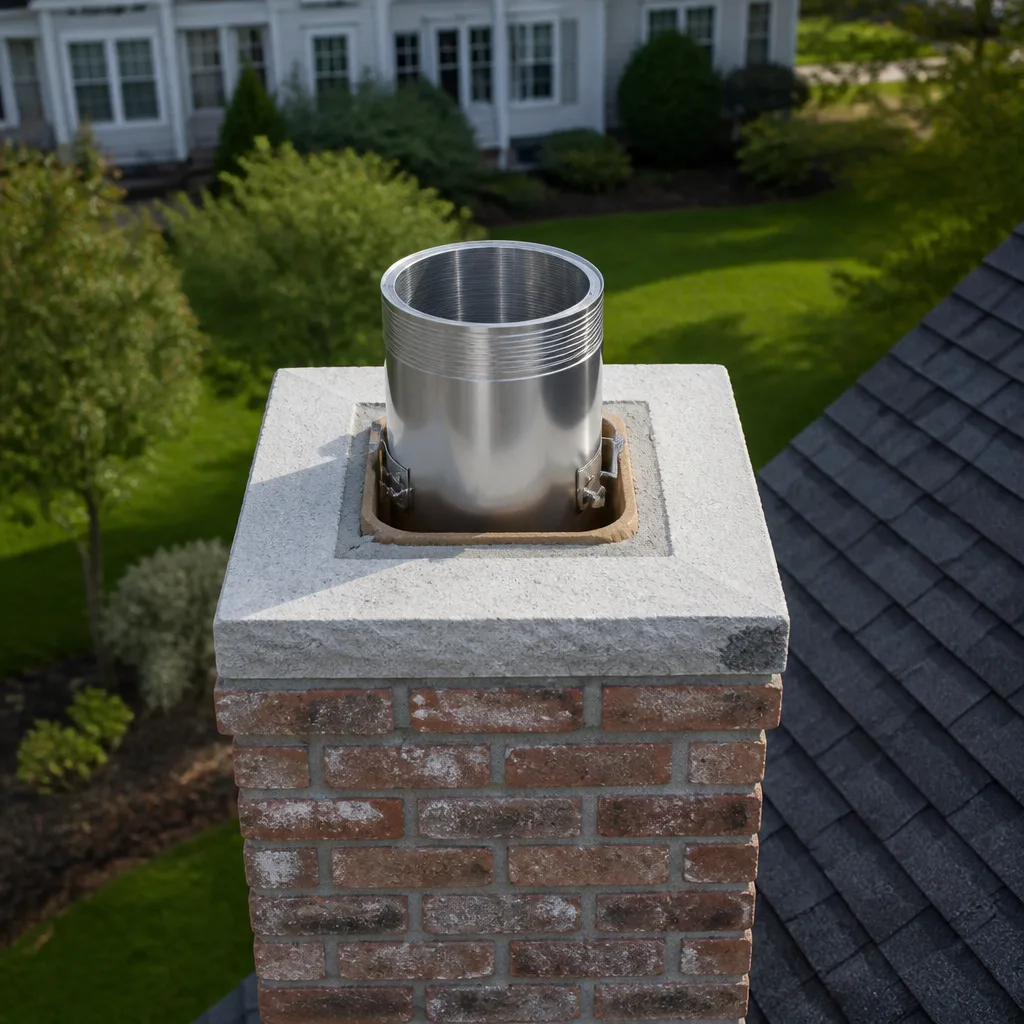 Flue relining
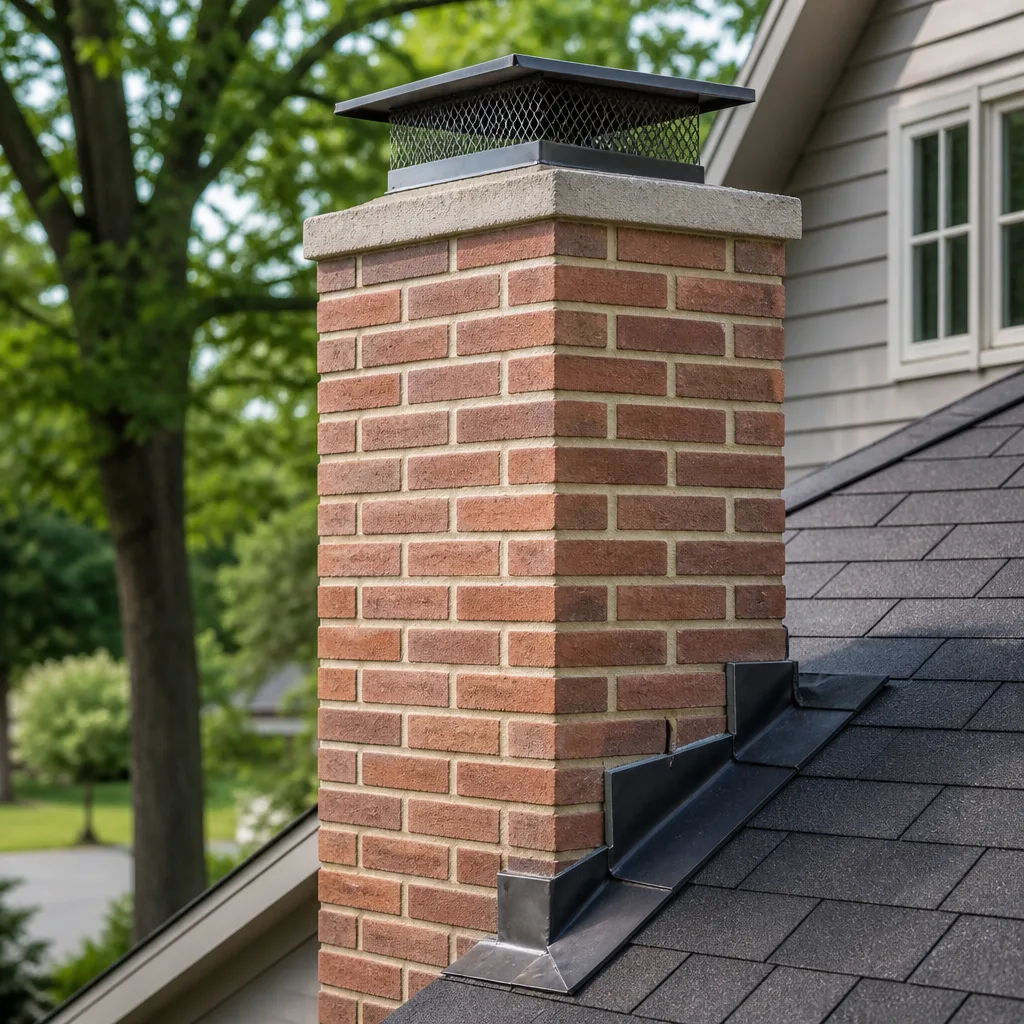 Masonry repair
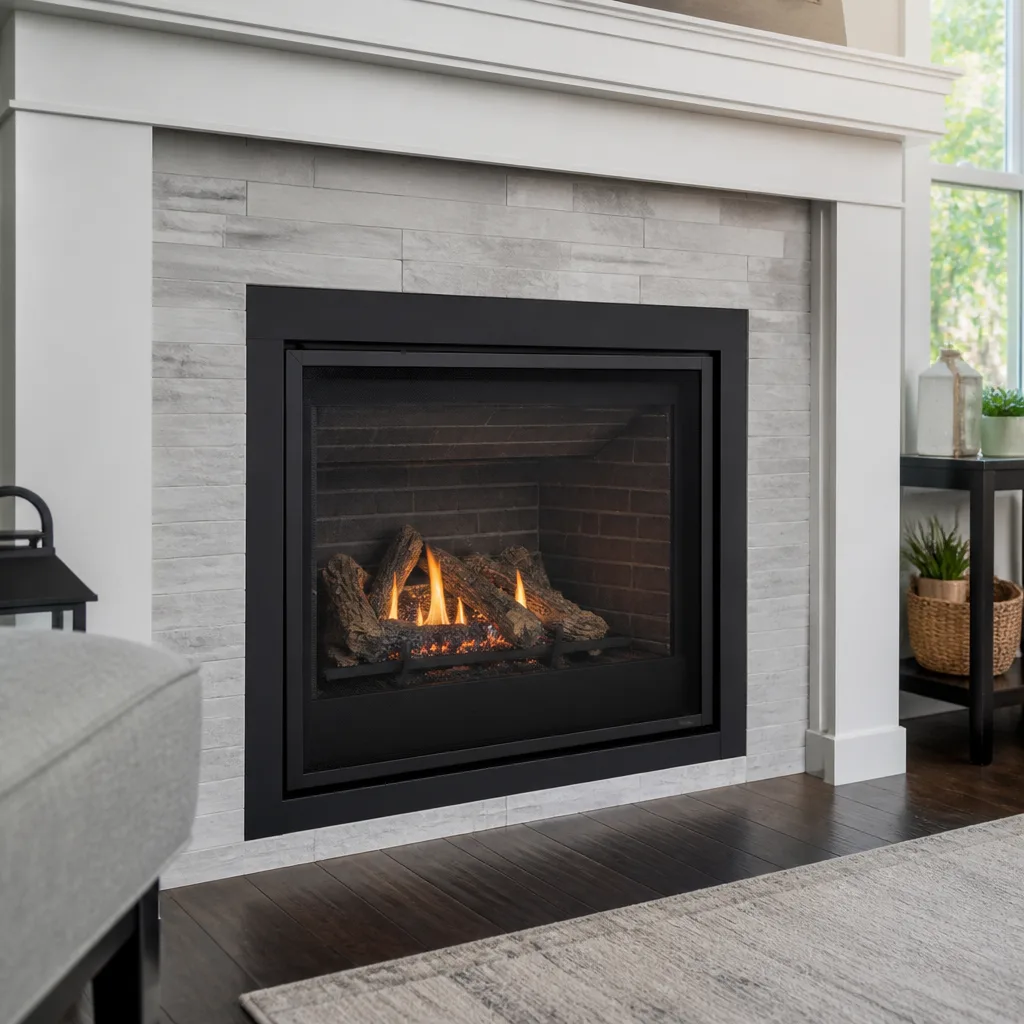 Gas fireplace service
Level 1 sweep and inspection to the NFPA 211 annual standard - flue, crown, cap, and flashing checked and photographed
Chimney sweep logs do not sweep chimneys. They loosen some creosote - which then falls where a brush and vacuum still have to collect it.
Seasonal Chimney Cleaning Care for Hesperia: Year-Round Homeowner’s Guide
The worst time to discover your damper seal is cracked is during the first cold night in October, which is exactly when every chimney sweep in the High Desert gets booked out two weeks. Hesperia sits at 3,200 feet, where winter nights dip below freezing and summer afternoons push past 100 degrees. That thermal swing works on your chimney masonry, your flue liner, your cap, and your damper all year long, even when you’re not burning. This guide breaks the year into four maintenance windows, each with specific tasks, so you’re never the homeowner calling around in a panic on the first freezing night with a fireplace that won’t draw. By the time you finish reading, you’ll know what to check each season, when to schedule professional work, and why Hesperia’s climate makes a year-round approach the only one that actually works.
Quick Answer
Seasonal chimney maintenance in Hesperia works best as a four-window schedule: burn and monitor during winter, inspect and repair in spring, protect and clear vents during wildfire season in summer, and recommission with a test fire in fall. A professional sweep once per year, timed for spring or early fall, plus a dryer vent cleaning on the same schedule, keeps both major fire risks in your home under control. Homeowners who follow this calendar avoid emergency calls, catch liner damage early, and pay less for repairs than those who wait until the first cold snap.
Styles & brands we work with
- Sweep & inspection
- Caps & crowns
- Flue relining
- Masonry repair
- Gas fireplace service
Table of Contents
- Winter (December – February): Burn Season and Creosote Monitoring
- Spring (March – May): The Inspection and Repair Window
- Summer (June – September): Wildfire Smoke, Caps, and Dryer Vents
- Fall (October – November): Recommissioning and the Test Fire
- Syncing Dryer Vent Cleaning to the Same Calendar
- Hesperia’s Fuel Profile: Oak, Almond, and Pine
- What Seasonal Chimney Care Costs in Hesperia
- Common Mistakes to Avoid
- When to Call a Professional
- Frequently Asked Questions
Winter (December – February): Burn Season and Creosote Monitoring
December through February is when your fireplace earns its keep in Hesperia. Nights routinely drop into the 20s, and a wood fire is not ambiance, it’s supplemental heat. But here’s what most homeowners don’t track: creosote accumulation is not linear. It accelerates based on burn frequency, wood moisture content, and flue temperature. A family burning every night from Thanksgiving through New Year’s can accumulate more creosote in six weeks than a weekend-only burner accumulates all year.
Creosote forms in three stages. Stage one is a flaky soot that brushes off easily. Stage two is a tar-like glaze that requires rotary tools to remove. Stage three is a hardened, glossy coating that becomes a serious fire hazard and often requires chemical treatment or mechanical removal from a professional. In Hesperia’s dry winter air, stage one creosote can dry and cure faster than homeowners expect, especially if burning pine or almond with any moisture left in the wood.
What to actually do during winter months:
- Track your burn hours. After roughly one cord of wood or 40 to 50 burn hours, creosote is building up regardless of how clean the fire looks. Most Hesperia homes reach this by late January if they burn regularly.
- Watch the smoke. A properly burning fire produces thin, nearly invisible smoke from the chimney top. Dark smoke means incomplete combustion and faster creosote deposit. If you see it, the wood is too wet or the fire isn’t getting enough air.
- Check the damper seal. When the fireplace is cold, hold a lighter near the closed damper. A flickering flame means air is leaking through. A cracked or warped damper seal lets heated indoor air escape all winter, and it’s a simple fix if caught before spring.
- Listen for popping or ticking. The sound of creosote contracting and expanding as the flue heats and cools is normal to a degree. Persistent, loud popping during a fire can signal a thick creosote layer. If you hear it, stop burning and schedule an inspection.
One Hesperia-specific note: our winter winds. The High Desert gets steady westerly gusts that can affect draft. A chimney that draws fine on a still night may smoke back into the house when winds hit 25 mph. That’s often a cap design issue, not a chimney problem. Wind-resistant caps with proper baffling solve it, but you won’t know until someone looks at your specific setup.
If you’re burning regularly through winter and haven’t had the flue inspected in the last year, that’s the threshold where we recommend at minimum a Chimney Sweep in Hesperia visit before February ends. The alternative is burning blind with no idea what’s building up above the damper plate.
Spring (March – May): The Inspection and Repair Window
Spring is the smartest time to schedule chimney work in Hesperia, and here’s why: demand drops, lead times shrink, and you have months to complete any repair before the fall rush. March through May is also when winter’s damage becomes visible. Freeze-thaw cycles have done whatever they’re going to do to your masonry. The creosote from winter burning has cooled and cured. A spring inspection finds problems when they’re still small and cheap to fix.
This is the window where we recommend more than a sweep. A full inspection means checking:
- Flue liner integrity. Cracks, spalling, or deterioration in clay tile liners. This is the big one. A cracked liner lets heat and gases reach combustible materials in the chimney chase. In many Hesperia homes built in the 1980s and 1990s, clay liners are reaching the end of their service life.
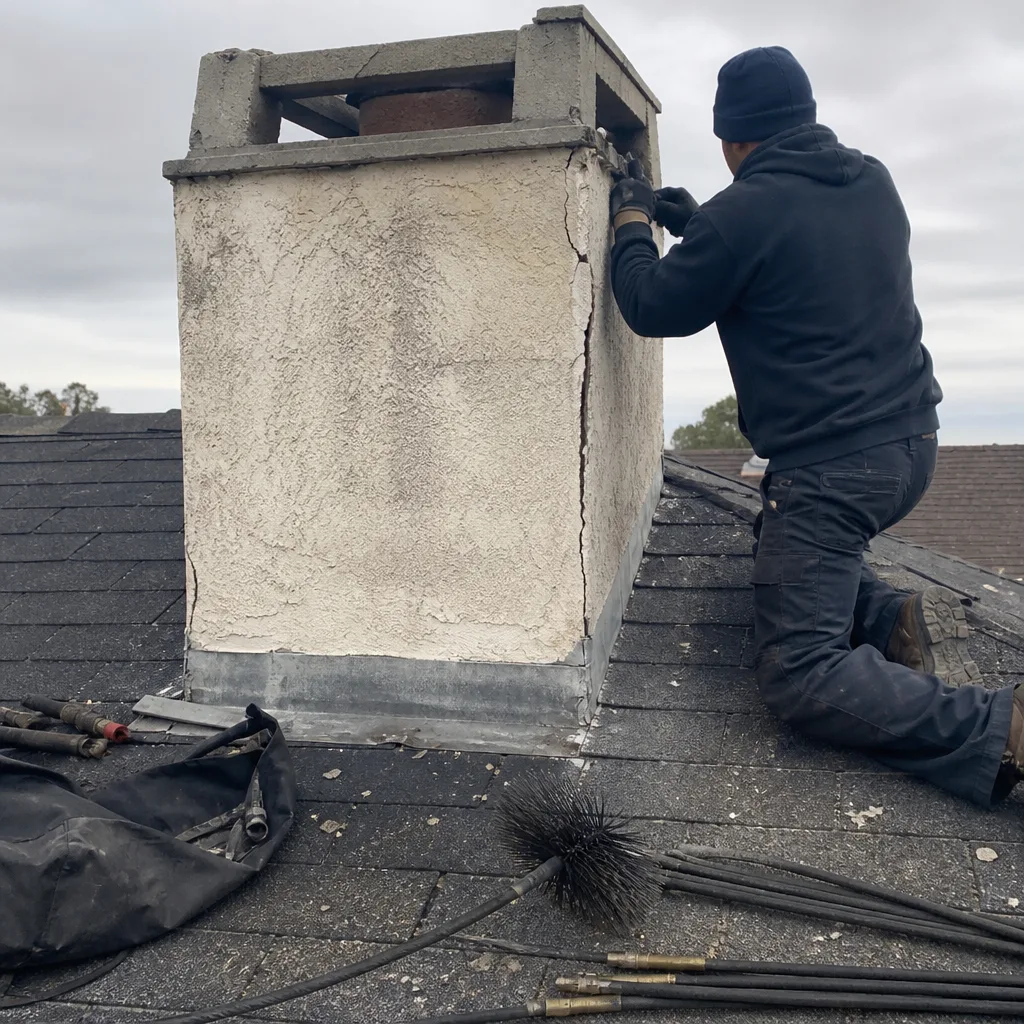
- Masonry joints. The mortar between bricks on the exterior chimney chase. High Desert temperature swings stress these joints year-round. Loose or missing mortar lets water in, and water plus freeze-thaw equals spalled brick.
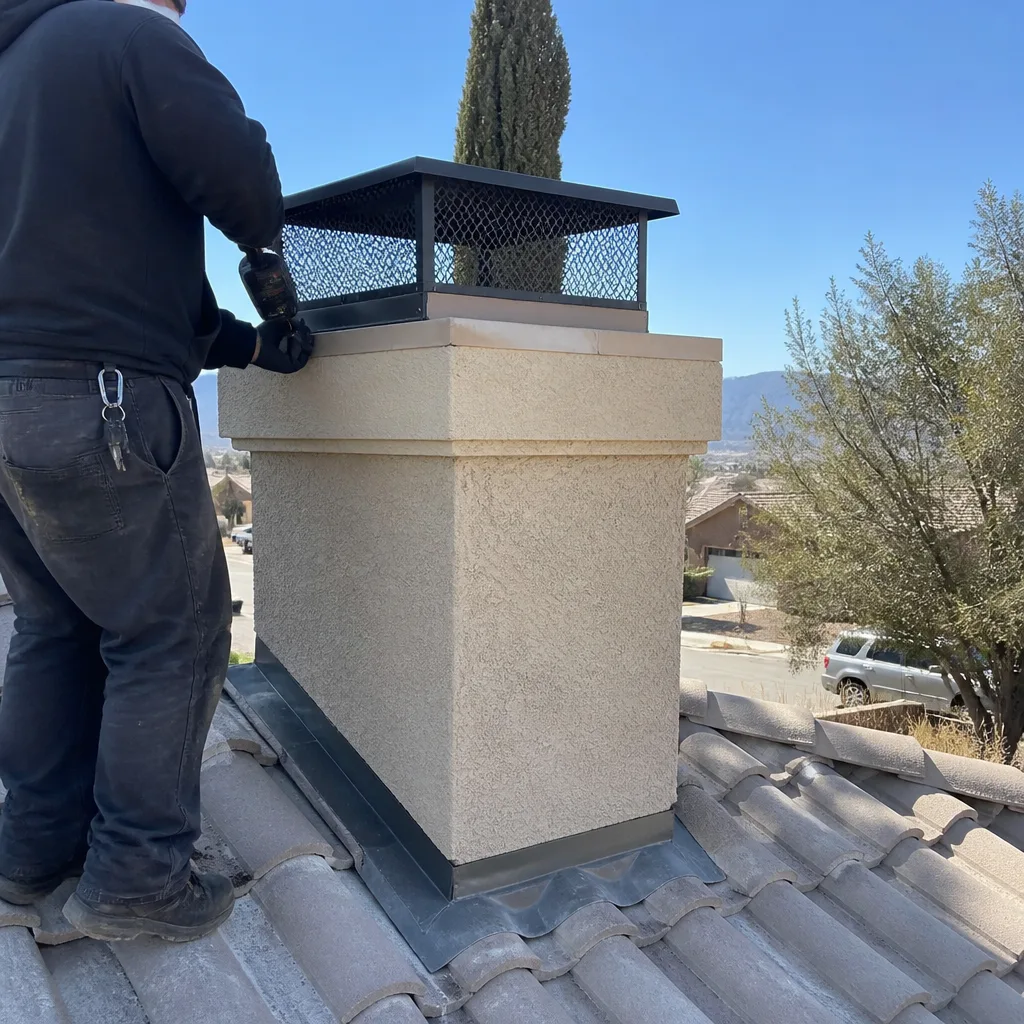
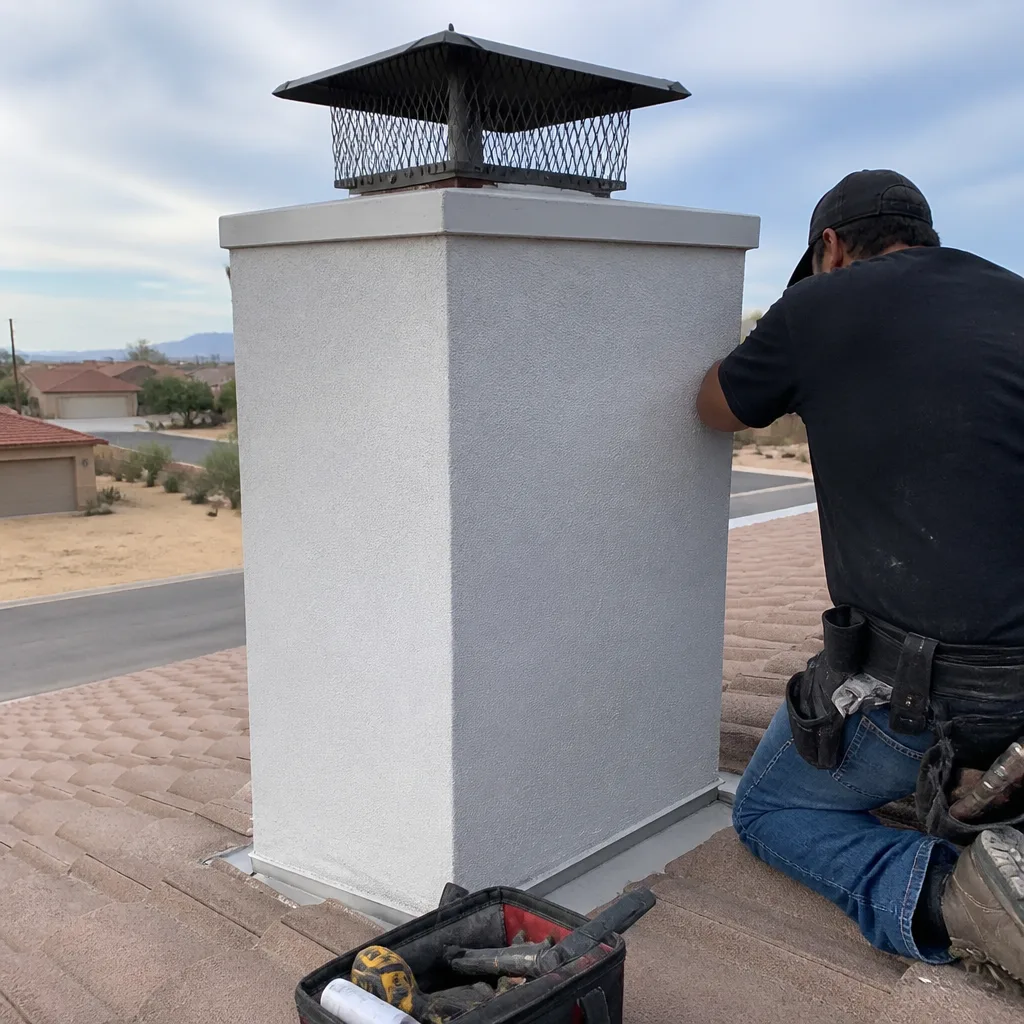
- Crown and cap condition. A cracked crown is the number one cause of water damage in Hesperia chimneys. The crown is what sheds rain away from the flue. Once it cracks, water gets behind the liner and into the chase.
- Damper operation. Throat dampers in older homes warp. Top-mount dampers in newer homes get stuck. Spring is when you fix it, not October.
If the inspection finds liner damage, this is the moment to talk repair options. And this is where the brand portfolio matters. A fully deteriorated clay liner used to mean one thing: tear it out and rebuild, or drop in a new liner. Today, technologies like HeatShield ceramic resurfacing can restore a cracked flue from the inside without a full teardown. The material is applied as a ceramic-based coating that cures in place, sealing cracks and restoring a smooth, insulated surface. It’s a documented repair method that can extend chimney life by years at a fraction of replacement cost.
For homes where the liner is too far gone for resurfacing, DuraFlex flexible stainless steel liners are the standard we work to. DuraFlex liners come in both smooth-wall and corrugated profiles, which matters for Hesperia’s mix of straight and offset flue configurations. An offset flue, where the chimney jogs partway up to work around a beam or architectural detail, requires a liner system designed to bend without kinking. That’s a specific product, not a generic tube pulled off a truck. The distinction shows up in real-world performance: a properly installed flexible liner in an offset flue drafts correctly year-round, while a misapplied straight liner creates turbulence, slow starts, and smoke in the living room on cold mornings.
Spring is also the right time for dryer vent work, but that’s its own section below. The short version: if you’re already booking a chimney service, many Hesperia homeowners bundle a Dryer Vent Cleaning in Hesperia into the same visit and handle both fire risks in one afternoon.
Scheduling in spring means you’re not competing with every other Hesperia homeowner in October. You’ll find availability easier, which means faster service, and you’ll have the whole summer to budget for any repair the inspection turns up. That’s the practical advantage, and it’s the main reason serious burners in Hesperia have quietly shifted their maintenance calendar to spring.
Summer (June – September): Wildfire Smoke, Caps, and Dryer Vents
Summer in Hesperia is hot, dry, and increasingly affected by wildfire smoke drifting from the San Bernardino National Forest and points west. Even when your fireplace sits unused from June through September, your chimney is not on vacation. Here’s what summer actually does to your system.
First, wildfire smoke. When the air quality index spikes and the High Desert haze settles in, smoke particles find their way into unused flues through uncapped or poorly capped chimney tops. That’s not a health emergency the way indoor smoke from a fire in your own fireplace would be, but it leaves a fine, sticky residue on cool flue walls. When fall comes and you light the first fire, that residue burns off as an unpleasant odor, or worse, it’s a base layer that fresh creosote bonds to more readily.
More important than smoke is ash. If your cap has a screen with large mesh openings, wind-driven ash from distant fires can accumulate in the smoke shelf and flue. We’ve opened dampers in September and found a half-inch of gray powder that wasn’t there in May. A properly fitted chimney cap with fine mesh solves this. If your cap is damaged, missing, or sized for birds but not ash, summer is the time to replace it because replacement caps are stocked and installs are quick when there’s no fire in the fireplace and no urgency in the schedule.
Summer is also when the chimney masonry itself takes the most structural stress. Hesperia commonly sees temperature swings of 40 degrees between daytime highs and overnight lows. That daily expansion and contraction cycle works on every mortar joint in your chimney chase. Cracks that were hairline in spring can open visibly by August. It’s not a failure of workmanship; it’s physics. High Desert chimneys simply move more than coastal chimneys do, which is why an annual visual check of the exterior brick matters. Look for:
- New or widening vertical cracks in the chimney chase
- Mortar joints where the mortar has turned sandy and loose
- Brick faces that have popped off, leaving a concave depression
- White efflorescence staining, which signals water intrusion
Any of these is worth a call before winter. The Chimney Repair in Hesperia service that diagnoses these issues is the same one that fixes them. That’s the point worth emphasizing: finding a problem and then having to go find someone else to fix it is the old model. The newer, better approach is one call that handles both.
And here’s the counterintuitive summer task: run your dryer more, and clean the vent before it gets hot. Summer in Hesperia means more laundry, more dust, and a dryer working in a hotter ambient environment. When your laundry room is already 90 degrees, the dryer has to work harder to exhaust moisture, which means longer cycles and more lint moving through the system. A clogged dryer vent in August is a fire risk in exactly the season when the U.S. Fire Administration’s statistics show dryer fires staying flat while chimney fires drop to nearly zero. Fire safety doesn’t pause just because the fireplace is idle.
Summer is also a smart time to inspect your spark arrestor and bird screen. Hesperia sits on migration paths. House finches, sparrows, and starlings all try to nest in uncapped flues between April and July. A nest in the flue is a fire hazard and a block. Finding it in August gives you time to remove it and cap the chimney properly before fall.
Fall (October – November): Recommissioning and the Test Fire
Fall is recommissioning season. This is not when you do the big annual sweep, or at least, not only when. This is when you verify that everything works before you actually need it. The smartest Hesperia homeowners structure their fall around a single event: the test fire.
Here’s the recommissioning checklist we recommend before the first real cold snap:
- Open the damper and visually check. Use a flashlight to look up the flue. You’re checking for obvious blockages: nests, debris, a damper that won’t fully open. If you see anything that shouldn’t be there, stop and call before burning.
- Check the chimney cap from outside. Walk around and look up. Is the cap still seated? Is the screen intact? Hesperia winds loosen cap hardware over time. A cap that’s shifted or rattling won’t seat properly, and that affects draft.
- Light a single test fire. One small fire, one log or a few pieces of kindling. The point is not heat. The point is to watch the smoke: does it go up the chimney, or does it spill into the room? If it spills, the flue is cold and draft is reversed, or there’s a partial blockage. If it goes up clean, you’re likely in good shape for the season.
- Smell the room after the test fire. A properly venting fireplace shouldn’t leave any smoke smell in the room after the fire is out. If you smell smoke an hour later, something is wrong with the draft, the damper, or the flue.
- Time the smoke test. After lighting the fire, go outside and watch the chimney top. Within 60 to 90 seconds of ignition, you should see a light wisp of smoke. If smoke is already coming out before the fire is fully established, the flue is drawing well. If you don’t see smoke, that’s fine too, as long as the fire is burning clean and the room stays clear.
The reason we push the test fire so hard: it costs you nothing and it uncovers problems when there’s still a week of mild weather left to fix them. Every October, we get calls from homeowners who lit their first real fire on the first genuinely cold night and immediately smoked out their living room. The fix is often simple, but when three hundred other Hesperia homeowners have the same problem on the same night, the schedule gets tight. Do your test fire in early to mid October, before the first hard freeze, and you’ll never be that caller.
One fall-specific note on wood: if you buy firewood in October, it’s almost certainly not seasoned. Green wood burns cold, produces heavy smoke, and builds creosote fast. In Hesperia, with our dry climate, properly split and stacked wood seasons in six to nine months. If you’re buying wood now, you’re buying for January or February. That’s not a reason to skip burning; it’s a reason to burn smaller, hotter fires and keep an eye on the creosote situation. A chimney swept in spring that burns a winter’s worth of green wood by February may need another sweep before the season ends. Seasoned wood is the single biggest factor in how often your chimney actually needs service.
Syncing Dryer Vent Cleaning to the Same Calendar
Your dryer vent and your chimney have the same problem: both move hot air and combustion byproducts out of your home, and both fail silently when neglected. The U.S. Fire Administration identifies dryer fires as one of the leading causes of residential structure fires, and the most common ignition factor is simply lint buildup in the vent line. Hesperia’s arid climate makes lint drier and more combustible than it would be in a humid environment. Dry lint, high heat, restricted airflow. That’s the fire triangle, and it’s why dryer vent cleaning is not a separate chore from chimney maintenance; it’s the same fire-safety discipline applied to a different appliance.
The seasonal sync works like this:
- Spring: Full dryer vent cleaning. This clears the winter’s worth of lint before the hot season begins. If your laundry is on the second floor or the vent run is longer than 10 feet, this is non-negotiable.
- Summer: Monitor. Watch for longer dry cycles, a hot laundry room, or a burning smell. Any of those three means the vent is restricting and needs attention now.
- Fall: If you only clean once a year, do it in fall. Winter means more laundry indoors, more humidity in the home, and the dryer running longer cycles in a closed-up house. That’s when restriction becomes dangerous.
- Winter: For households with active fireplaces, do a visual check of the exterior vent cap every month or two. Hesperia’s winter winds can slam the flap, break the louvers, or push lint back into the pipe.
The companies that handle chimneys and the companies that handle dryer vents are often separate. That’s two appointments, two calls, two bills. Chimney Sweep Hesperia home services both under the same roof, which is the whole point of the unified fire-safety approach. One visit can handle the chimney sweep, the dryer vent, and any repair findings from the inspection. For a homeowner who values not spending their Saturday coordinating contractors, that’s the difference between a half-day and a recurring headache.
Hesperia’s Fuel Profile: Oak, Almond, and Pine
What you burn in Hesperia determines how much creosote you produce and how often the flue needs attention. The wood available locally breaks into three common types, each with a distinct burn profile:
- Oak. Dense, slow-burning, and the best local option if it’s properly seasoned. Seasoned oak burns hot and clean, producing minimal creosote. The catch is seasoning: oak takes 9 to 12 months to season properly, even in Hesperia’s dry air. Most oak sold as firewood in October is not ready to burn until the following spring.
- Almond. Hesperia sits in reach of Central Valley almond orchards, and almond wood is common in local firewood stacks. It burns hot and fast, making it good for cold mornings when you want quick heat. But hot and fast fires in a cold chimney create temperature stress, and any almond burned green produces heavy creosote. Season it a full year if you can.
- Pine. Readily available in the High Desert and the most problematic. Pine has high resin content. Even seasoned, it burns with more smoke than oak or almond, and the resin can volatilize into the flue as a sticky vapor that bonds with creosote and makes stage-two and stage-three buildup happen faster. Pine is fine in moderation, but a steady diet of pine means more frequent sweeping.
The practical takeaway for Hesperia homeowners: if you burn a lot of pine or green wood of any species, assume your chimney needs service at least once per year, possibly twice if you’re a heavy burner. If you burn exclusively seasoned oak and almond, you might stretch to 18 months between sweeps. But the only way to know for sure is an inspection that looks at actual buildup, not a guess based on last year’s schedule.
And here’s a builder-era note that matters in Hesperia specifically: many of the wood-burning fireplaces in homes built between 1985 and 2005 are zero-clearance, factory-built units, not masonry site-built fireplaces. These have narrower flues and tighter tolerances. They still need sweeping, but the process is different, the brushes are different, and the inspection points are different. If you’re not sure which type you have, that uncertainty is exactly why the first visit should be a professional inspection rather than a guess.
What Seasonal Chimney Care Costs in Hesperia
Let’s talk real numbers. For a detailed look, see our Chimney Cleaning Cost Breakdown: The Hesperia Homeowner’s Reference for 2026. Hesperia’s pricing runs a bit below Los Angeles and Orange County, but you’re not looking at discount rates either. Here’s what the seasonal calendar typically costs:
- Chimney sweep (standard, accessible roof): $180 to $280. If the chimney is steep-roof or requires special access, it runs higher.
- Level 2 inspection (camera scope, after a change in system or suspected damage): $300 to $500. This includes the camera work that shows you exactly what’s inside the flue.
- HeatShield ceramic resurfacing: $1,800 to $4,000 depending on flue size, access, and the extent of the damage. Compare that to a full liner replacement at $4,000 to $8,000, and you see why resurfacing is worth knowing about.
- DuraFlex liner installation: $2,500 to $6,000 depending on flue length, offset configuration, and roof access. Offset flues run higher because the install takes longer and requires more careful fitting.
- Cap replacement: $250 to $700 installed, depending on the cap type and whether you need wind-resistant features.
- Dryer vent cleaning: $120 to $180 for a standard single-story vent run. Longer runs or second-story exhausts run higher.
These numbers are Hesperia-market ranges from 2025, and they shift a little year to year. But the structure holds: a sweep is a couple hundred dollars. A repair that catches a crack early is a few hundred to a few thousand. A chimney fire or a full rebuild is five figures and up. The spring inspection is the cheapest insurance policy in this whole guide, because it’s the one action that converts unknown risk into a known, budgetable number.
Common Mistakes to Avoid
- Waiting until October to schedule anything. Every chimney company in Hesperia books out two to three weeks in October. If you find a problem during your fall test fire, you’ll be burning with it or not burning for most of late fall. Schedule spring work in spring.
- Burning green wood because it was cheap. Green oak or almond from a roadside seller in October seems like a deal. It’s not. You’ll push creosote into the flue all season and may need a second sweep before spring. Buy wood in spring and let it season in your yard.
- Assuming no fires means no maintenance. Chimneys degrade from weather and time, not just from use. In Hesperia’s temperature swings, unused chimneys still crack, crowns still fail, and caps still loosen. An unused chimney still needs an annual visual check.
- Skipping the cap because it’s “optional.” The cap is what keeps rain, birds, and wildfire ash out of the flue. A missing cap turns into a water-damage problem and a nest problem, often in the same year. Caps are cheap compared to what they prevent.
- Cleaning dryer vents on a separate schedule. You’ll forget. Put dryer vent cleaning on the same calendar reminder as your chimney inspection and handle both at once. The fire risk from dryer lint doesn’t care whether you remembered to schedule it separately.
- Trusting a home inspector’s one-minute chimney glance. Home inspectors don’t scope the flue. They don’t have the equipment. A real chimney inspection involves camera work and a trained eye on liner condition. If your home purchase relied on a general inspection, schedule a proper chimney inspection before your first winter.
When to Call a Professional
Some things you can check yourself: the damper opens, the cap is in place, the test fire produces a clean draw. But there are specific scenarios where calling a professional is the only responsible move. If you see smoke spilling into the room during a fire, stop burning immediately and schedule an inspection. If you smell something like hot tar or asphalt while burning, that’s creosote off-gassing, and it’s a precursor to a chimney fire. If you spot cracked or spalling brick on the exterior chase, or white staining that keeps coming back after rain, water is getting into the structure. If your dryer takes two cycles to dry a load, or the laundry room gets noticeably hot during a cycle, the vent is restricted. Any one of these is a reason to call, not a reason to wait for the next seasonal checkup. Chimney Sweep Hesperia offers free estimates in Hesperia – call (855) 382-8016 and get an answer before the next cold night.
Frequently Asked Questions
At least once per year if you burn regularly, and twice per year if you burn mostly pine or green wood. The National Fire Protection Association standard is a sweep whenever creosote buildup reaches 1/8 inch, which for most Hesperia homes works out to every 12 to 18 months depending on wood type and burn frequency. Call (855) 382-8016 to schedule a sweep and get an honest read on whether your chimney actually needs it yet.
Not necessarily. If the liner has minor cracking or early-stage deterioration, HeatShield ceramic resurfacing can restore the flue without a full replacement, and in Hesperia that typically runs half to two-thirds the cost of a new liner. The only way to know which option applies to your chimney is a camera inspection that shows the actual damage. We don’t recommend liner work without showing you the camera footage first.
You can, but most Hesperia homeowners find it’s not worth the roof-access risk and the mess, especially on steep High Desert rooflines. A professional sweep brings the right brushes for your flue type, inspects while cleaning, and typically costs a fraction of what even a minor repair adds up to if buildup was missed. We’ve seen enough shaky ladders and damaged shingles to recommend leaving the roof work to someone who does it weekly.
Three things, usually in order: performance degrades as the flue narrows with creosote, then a chimney fire becomes possible once the buildup ignites, and over years, water intrusion from neglected caps and crowns damages the masonry to the point of major repair. A chimney fire in Hesperia can go unnoticed until the damage is already done, because the fire happens inside the flue where you can’t see it until it spreads.
Because the same team, tools, and safety mindset apply. Dryer vents are the most overlooked fire risk in the home, and the U.S. Fire Administration consistently ranks dryer fires as a leading cause of residential structure fires. We brought dryer vent cleaning under the same roof because splitting fire safety across two vendors means it doesn’t get done.
March or April. You’ll beat the fall rush, catch winter’s damage while it’s fresh, and have the season’s mild weather to complete any repair. Homeowners who schedule spring inspections consistently pay less for maintenance than those who wait for October, because small cracks fixed in spring don’t become emergency repairs in fall.
The Bottom Line
Hesperia’s chimney calendar has four seasons, and each one has a job. Winter is for monitoring creosote and catching early signs of trouble. Spring is for inspection and repair, using contractor-grade materials like HeatShield and DuraFlex when damage shows up. Summer is for caps, screens, and clearing the wildfire-season residue out of your vents. Fall is for the test fire, the smoke check, and the confidence that comes from knowing the system works before you actually need it. Run your dryer vent on the same schedule and you’ve covered both major fire paths in your home with one plan. The alternative is the October panic call, the smoke-filled living room, and a repair bill that could have been half as much three months earlier.
Written by the team at Chimney Sweep Hesperia, serving Hesperia since 2014.
See the difference
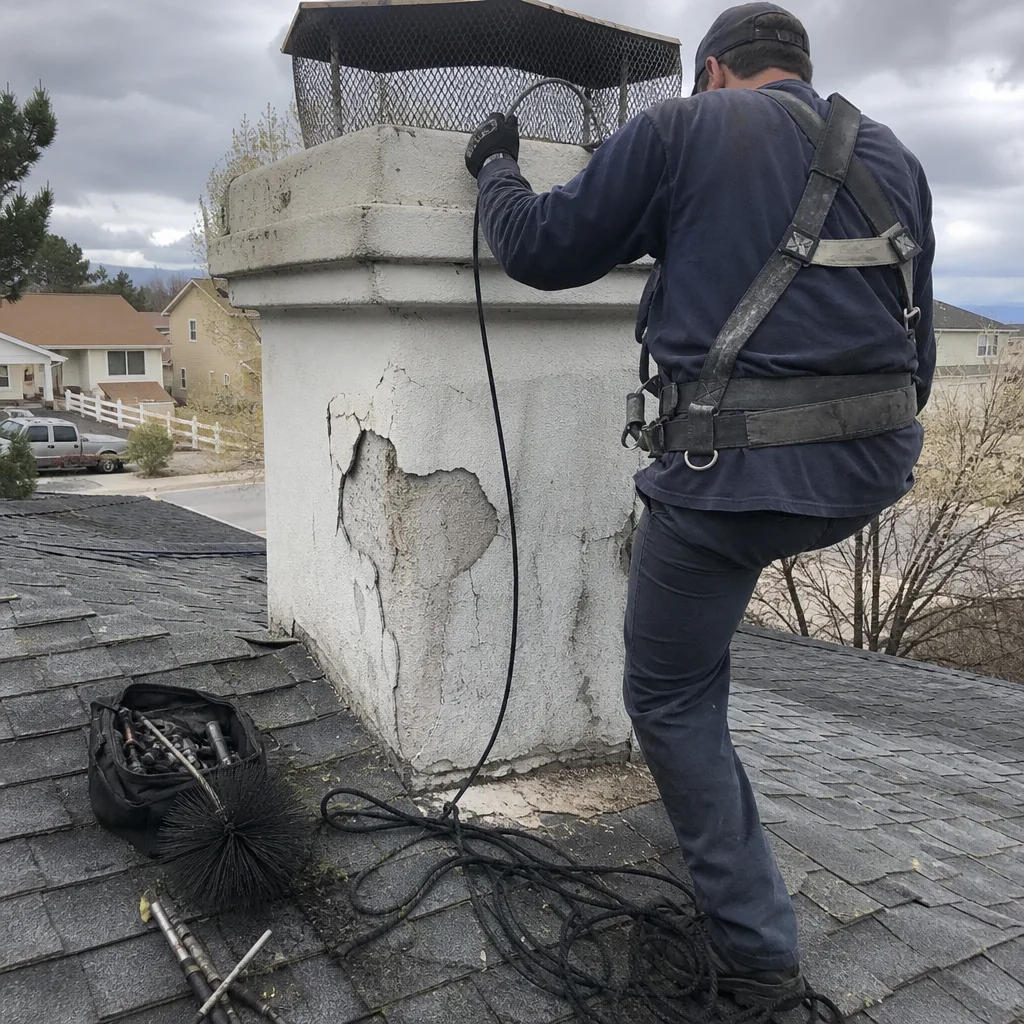 Before
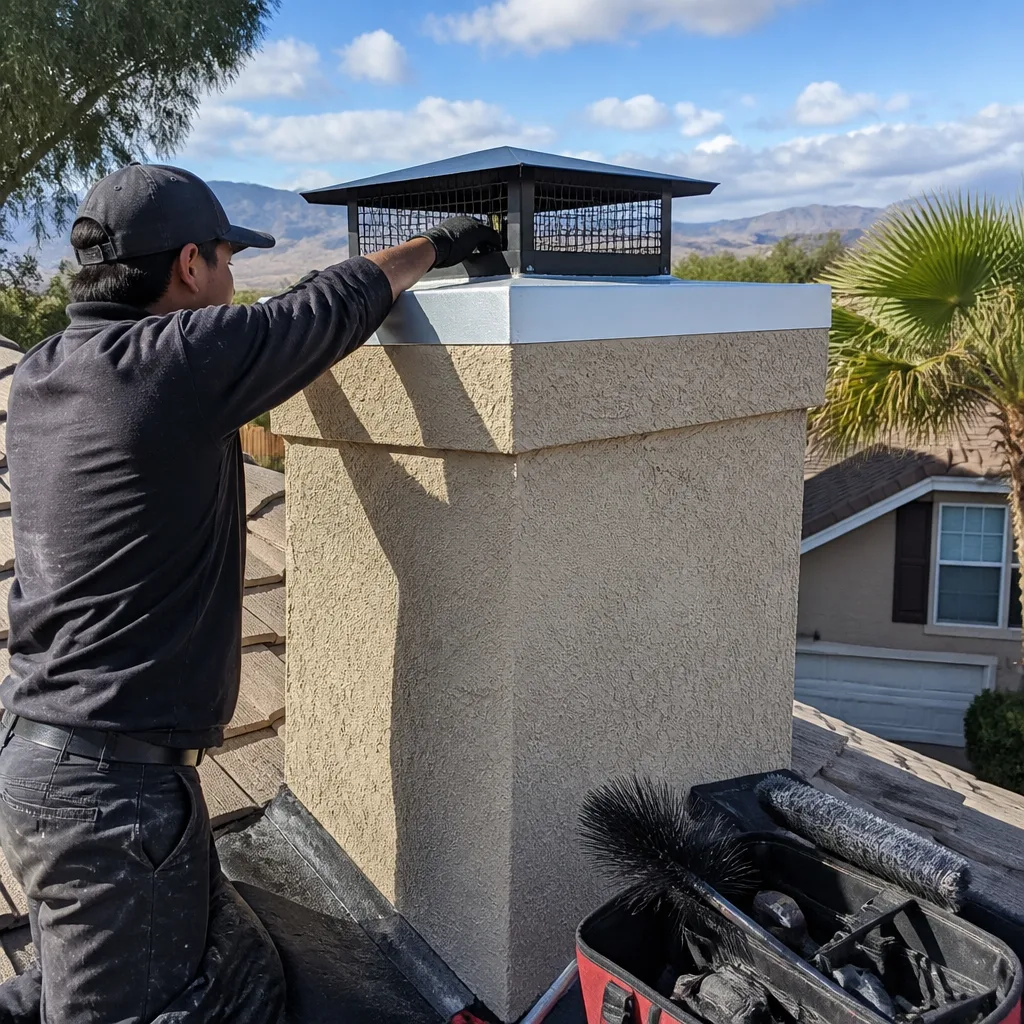 After
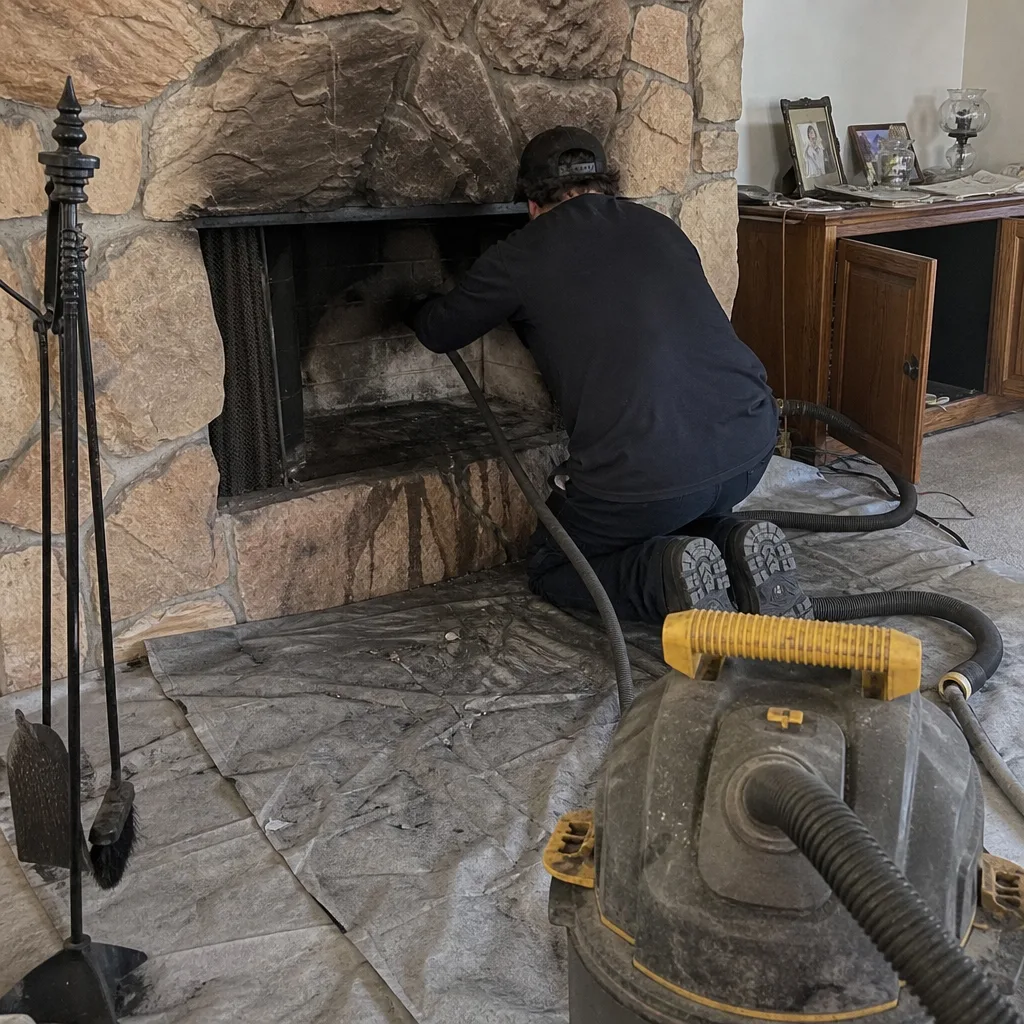 Before
 After
 Before
 After