
Last updated November 2, 2026
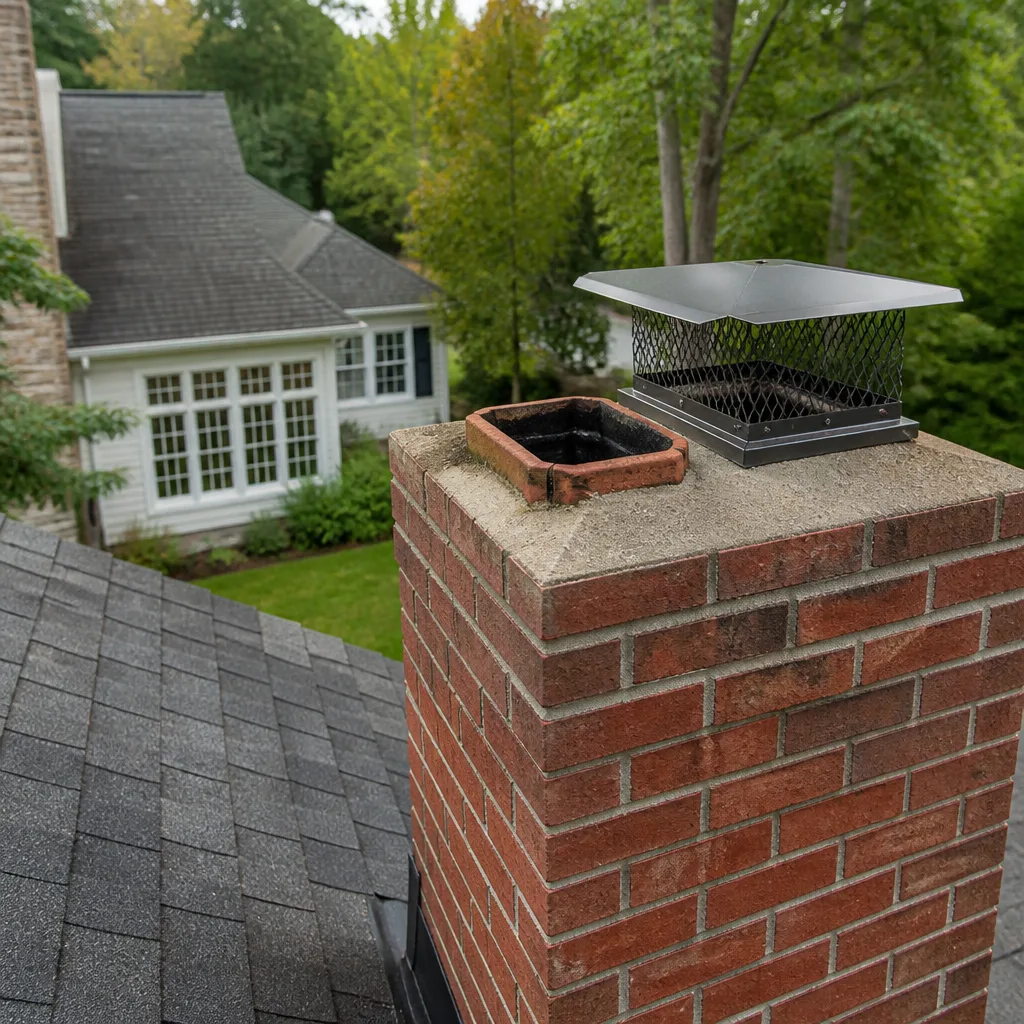 Sweep & inspection
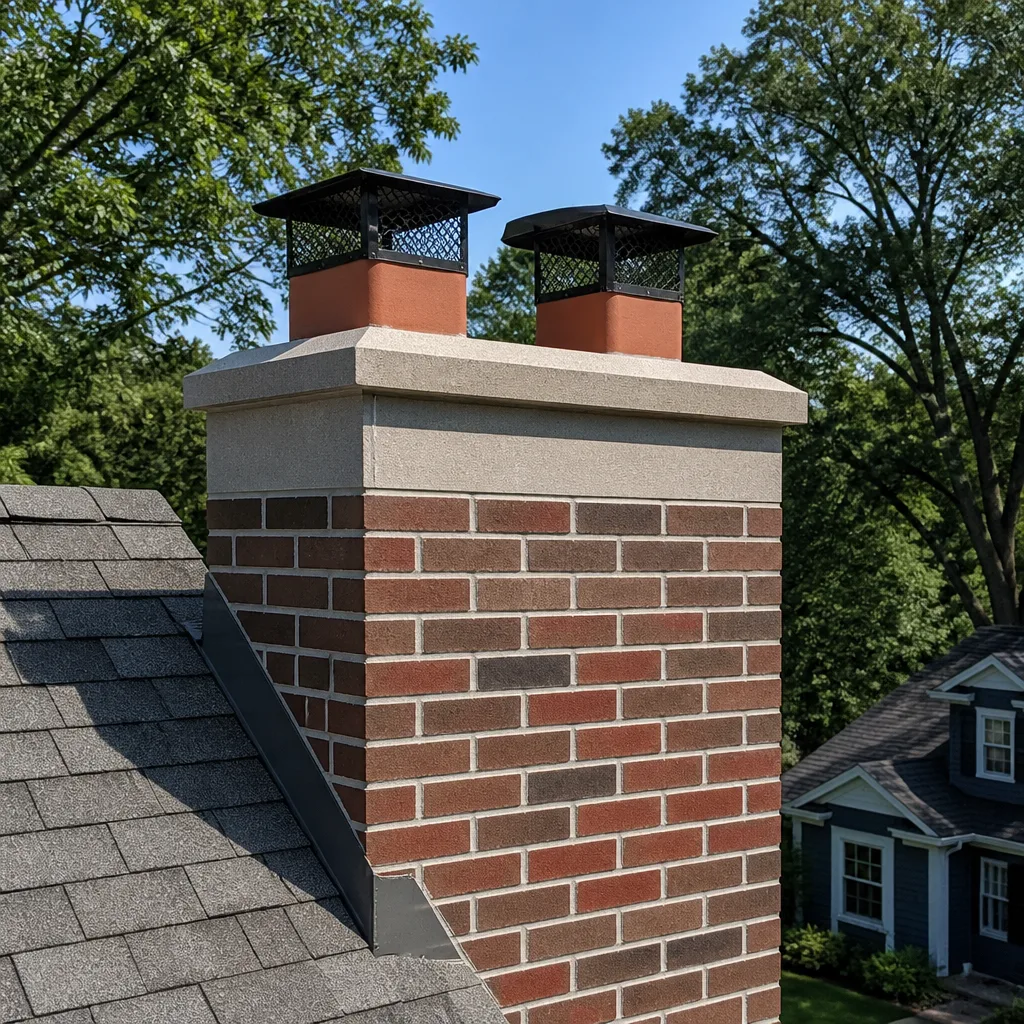 Caps & crowns
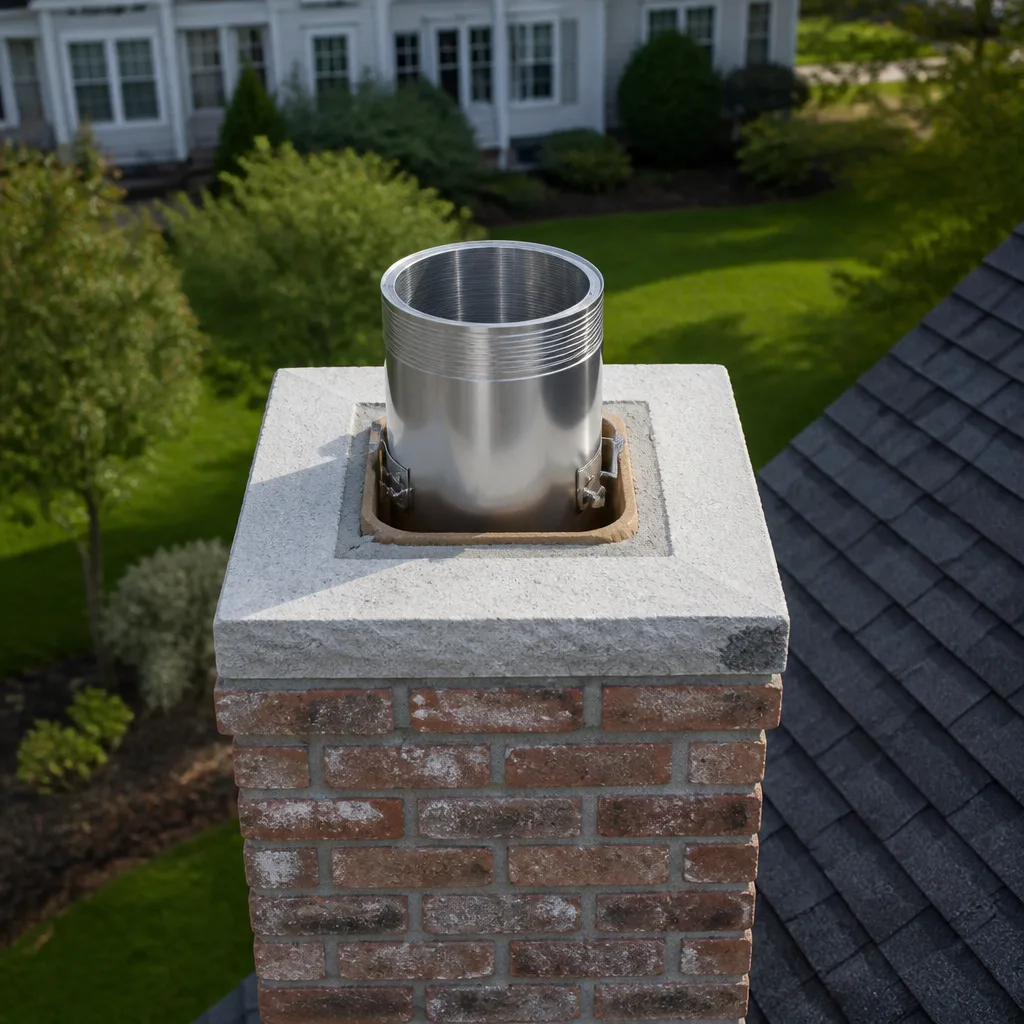 Flue relining
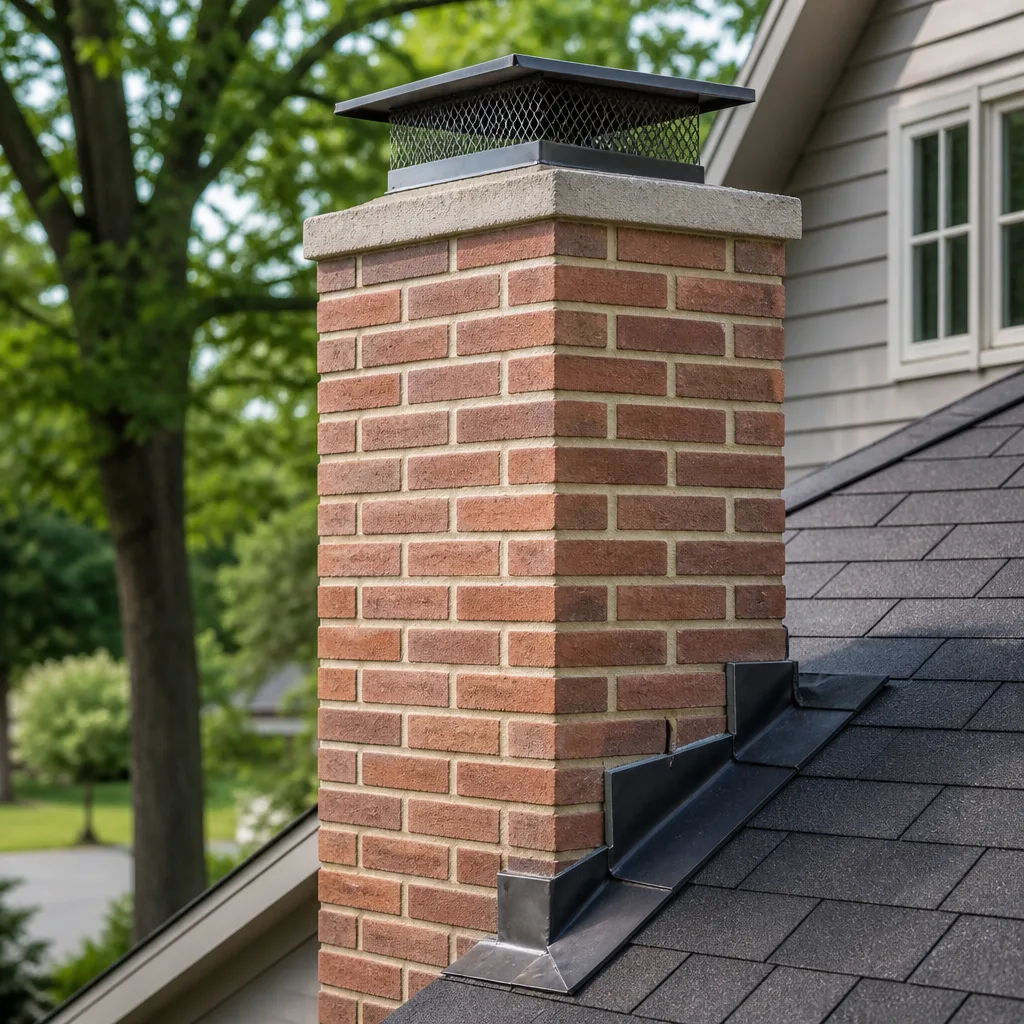 Masonry repair
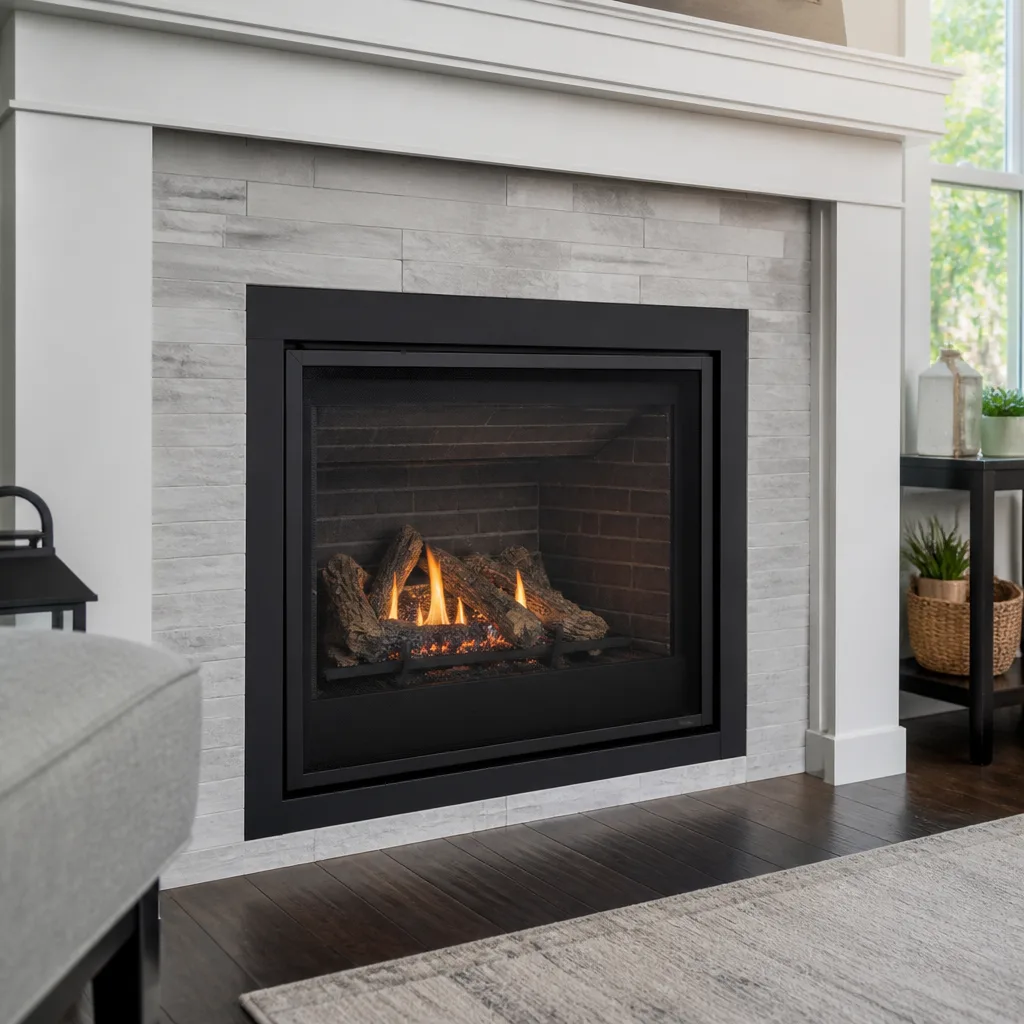 Gas fireplace service
Level 1 sweep and inspection to the NFPA 211 annual standard - flue, crown, cap, and flashing checked and photographed
Chimney sweep logs do not sweep chimneys. They loosen some creosote - which then falls where a brush and vacuum still have to collect it.
Chimney Cleaning Warning Signs: A Hesperia Homeowner’s Reference Guide
Most people think a failing chimney announces itself with a chimney fire or a wall of smoke rolling into the living room. It rarely does. The real warning signs are quiet: a faint campfire smell on a 95-degree July afternoon, a damper that takes two hands to move, a chalky white stain on the brick that you’ve assumed was dried dust for three years. High Desert homes in Hesperia face a specific set of chimney problems driven by temperature swings, wind, and the kind of wood people burn out here. This guide decodes the low-visibility signals we’ve learned to spot in hundreds of Hesperia chimneys, so you can tell the difference between a routine sweeping and a repair that can’t wait another season.
Quick Answer
The most common chimney warning signs in Hesperia include a campfire smell in warm weather when the fireplace hasn’t been used in months, white or dark staining on the exterior brick, a damper that sticks or feels gritty, and visible soot accumulating on the face of the firebox rather than inside it. Any one of these signals can indicate creosote buildup, a damaged flue liner, or draft failure. When you notice one, stop using the fireplace and have the system inspected before the next burn.
Styles & brands we work with
- Sweep & inspection
- Caps & crowns
- Flue relining
- Masonry repair
- Gas fireplace service
Table of Contents
- Odor Diagnosis by Season: What Each Smell Actually Means
- White Stains vs. Tan Stains: Reading the Exterior Brick
- What Your Damper Is Telling You: Feel, Sound, and Resistance
- Soot Location as a Diagnostic Tool: Inside vs. Face of the Firebox
- Cleaning Issue or Structural Repair: How to Tell Before You Call
- Hesperia-Specific Factors: Climate, Wood, and Code
- The Dryer Vent Connection: A Fire Risk Hiding in Plain Sight
- Common Mistakes to Avoid
- When to Call a Professional
- Frequently Asked Questions
Odor Diagnosis by Season: What Each Smell Actually Means
A chimney that smells like a campfire on a July afternoon when you haven’t had a fire since March isn’t a quirk. It’s negative draft pressure pulling combustion byproducts back into your living space. The smell itself isn’t the problem; it’s evidence that air is moving the wrong direction through your flue.
Odors aren’t random. They follow patterns, and each pattern points to a different underlying issue. Here’s what we’ve learned from diagnosing odor complaints across Hesperia homes over the years:
Summer campfire smell (no recent fire): This is the classic negative draft symptom. Hot air rises out of the chimney during the day, but when the air conditioning kicks on and the house becomes cooler than the outside air, the draft reverses. The chimney becomes an intake vent, pulling creosote-scented air down through the firebox and into the house. The solution is often a combination of cleaning (to reduce the creosote that’s creating the odor) and a draft solution like a top-sealing damper or properly sized cap. It won’t fix itself, and air fresheners only mask the symptom.
Winter smoky smell during a fire: If you smell smoke in the house while the fire is actively burning, the chimney is not drawing properly. Common causes in Hesperia include creosote narrowing that has reduced the flue diameter, a clogged spark arrestor at the cap, or a cold flue that hasn’t established draft. On windy winter days, high-desert gusts can create downdrafts that overwhelm a short chimney. This is not a smell to live with; it’s carbon monoxide-friendly conditions.
Rain-triggered musty or acrid smell: When rain hits a chimney with missing or damaged flashing, a cracked crown, or no cap, water gets into the masonry and the flue. That water mixes with existing creosote deposits and creates a smell you’ll notice within hours of rainfall. It’s not a problem you can solve with cleaning alone, because the water intrusion will continue until the structural issue is addressed. But cleaning does remove the creosote that’s amplifying the odor.
Acrid chemical smell, especially with a gas insert: If you have a gas fireplace insert venting through an existing masonry chimney and you’re noticing a sharp, unpleasant smell that isn’t wood smoke, the flue may be improperly sized or the liner may be deteriorating. Gas appliances vent with lower flue temperatures than wood fires, which means the byproducts can condense inside the flue. That condensation is corrosive, and over years it attacks the liner. If you’re catching a gassy or sharp chemical note, have the system inspected before using it again.
A useful rule of thumb: any odor that enters your living space is a draft failure or a moisture failure. Clean chimneys still crack and leak. But a chimney that’s both dirty and compromised is a much bigger problem. If you’re ever uncertain, the Chimney Sweep in Hesperia team can run a camera inspection and show you exactly what’s generating the smell.
White Stains vs. Tan Stains: Reading the Exterior Brick
Walk outside and actually look at your chimney. Not a glance while pulling into the driveway, but a close look at the brick face, especially near the top and around the mortar joints. The stains you find fall into two categories, and they mean very different things.
White, chalky, powdery stains are efflorescence. Efflorescence happens when water moves through the masonry, dissolves the salts naturally present in brick and mortar, and then evaporates on the surface, leaving the salt behind. It looks like a white haze or crust. Efflorescence itself is not immediately dangerous, but it is diagnostic evidence that water is getting into the chimney structure. The water enters through cracked mortar joints, a failed crown, or damaged flashing, then works its way through the brick. If you see efflorescence, the masonry is holding moisture, and over Hesperia’s annual freeze-thaw cycles (yes, it does freeze up here, especially at night from November through February), that trapped moisture expands and contracts, breaking apart the mortar and eventually the brick itself. The stain is the early warning. The structural damage comes later.
Tan, brown, or dark oily stains are creosote oil migration. This one is less common, but it’s the one that should stop you in your tracks. When creosote builds up inside a flue, it can eventually saturate the masonry from the inside. In the right conditions, that creosote in its liquid or oil phase can actually migrate through the brick and appear on the exterior surface. It looks like a dark, sticky, or oily stain, often blotchy rather than uniform. If you see this on your Hesperia chimney, you are not looking at a cleaning issue anymore. You are looking at potentially severe creosote loading and possibly a breach in the flue liner, which is a chimney fire waiting for the right ignition conditions. This calls for immediate inspection and likely a structural repair, not a routine sweep.
How to test quickly: Spray the stain with a garden hose. Efflorescence dissolves or fades noticeably when wet. Creosote staining does not; water often beads on it. That’s your field test between a masonry moisture problem and a fire-safety problem.
What Your Damper Is Telling You: Feel, Sound, and Resistance
Your damper is a surprisingly good diagnostic tool, and you don’t need to climb onto the roof to use it. The way it moves, sounds, and resists tells you things about the firebox, the smoke chamber, and the overall health of the system.
Here’s a step-by-step assessment you can do in under five minutes:
- Find the damper. It sits just above the firebox opening, usually a cast-iron or steel plate with a handle or chain. If you have a top-sealing damper, you won’t see the plate from below; the control is a knob or lever on the firebox wall.
- Open and close it slowly. Pay attention to how it feels. A healthy damper moves with steady resistance, not too stiff, not too loose.
- Listen for grinding or scraping. A grit sound means debris has settled on the damper, usually creosote flakes or pieces of degraded mortar from the smoke chamber above. Over time, that debris corrodes the damper metal and interferes with its seal.
- Check for smooth closure. If the damper won’t fully close, or you have to force it, the metal may be warped. Warping happens when the damper is exposed to higher-than-normal heat, which in turn usually means the chimney was over-fired at some point or the firebox is not properly sized for the fireplace.
- Leave it closed and feel for airflow. Place your hand just inside the firebox opening. If you feel air moving past the closed damper, the seal is compromised. That’s the path that sends your conditioned air up the chimney all summer, and the path that brings the July campfire smell back down.
A warped or poorly sealing damper is rarely a standalone issue. In our experience, when a damper is warped, there’s a good chance the firebox walls have been stressed too. Hairline cracks in the refractory panels or the brick firebox itself often accompany damper damage. The good news is that a top-sealing damper is one of the fixes a Chimney Repair in Hesperia specialist can install, and it solves both the draft and odor problem at once. But before replacing parts, the underlying heat or moisture issue needs to be identified, or you’ll be replacing the same components again in a few years.
Soot Location as a Diagnostic Tool: Inside vs. Face of the Firebox
Most people assume soot is soot. It’s black, it’s dirty, it’s a chimney. But where that soot is accumulating tells you something specific about how the system is performing.
Soot inside the firebox, on the back and side walls: This is normal. Burning wood produces particulate, and some of it deposits on the firebox surfaces. What you’re looking for is the amount and the texture. A thin, dry, grayish-black dust is typical after a season of fires. But thick, shiny, flaky deposits that look like black cornflakes are creosote, and creosote is a different animal entirely. Creosote forms when the flue gases are too cool and the volatile compounds condense on the chimney walls. It’s the fuel that drives chimney fires, and it’s the reason regular sweeping is non-negotiable for anyone who burns wood in Hesperia.
Soot on the face of the firebox, the hearth, or the floor in front of the fireplace: This is the warning sign most people overlook. When you see soot settling on the fireplace face, the mantle, or the flooring near the hearth, it means the fireplace is spilling smoke. The draft is not pulling all the combustion byproducts up the flue; some is escaping into the room. This happens for several reasons: a flue that’s too short for the roofline, a damper that’s oversized or positioned wrong, negative pressure inside the house from a running kitchen exhaust fan or bathroom fan, or a flue opening that’s too small for the firebox. In Hesperia, homes with fireplaces on the leeward side of high winds get this more than others; the wind creates a barrier at the chimney top that the draft can’t overcome.
Soot directly above the firebox opening, on the brick face: This is evidence of back-puffing, a specific failure pattern where the chimney flue is too small for the firebox, causing the smoke to stall and occasionally push back into the room. It happens more on cold starts before the flue has warmed, and it usually clears once the fire is going well. But if it happens consistently, the flue sizing is wrong, and that’s a structural problem, not a housekeeping one.
The placement rule is simple: soot inside the firebox is normal; soot anywhere outside the firebox means the system isn’t venting correctly. If you’re seeing the second kind, don’t keep burning. Call a professional who can video the flue and check the draft. The Chimney Sweep Hesperia home page outlines what a full inspection includes, but the short version is this: we don’t just brush the flue and leave. We find out why the smoke is going where it shouldn’t.
Cleaning Issue or Structural Repair: How to Tell Before You Call
This is the question every homeowner wants answered before they pick up the phone: am I paying for a sweeping, or am I paying for a liner replacement? You can’t always know from the ground, but some signals lean one direction or the other.
Signs that lean toward a cleaning issue:
- The smell appears only during the summer and the fireplace hasn’t been cleaned in three or more years.
- The soot buildup is dry and powdery, and the firebox face is still clean.
- The damper moves freely, and the masonry outside shows no signs of staining or spalling.
- The chimney has been used regularly each winter, and the last inspection showed no liner damage.
Signs that lean toward a structural repair:
- You see tan, oily creosote staining on the exterior brick.
- The damper is warped, seized, or visibly rusted through.
- There are visible cracks in the firebox panels or mortar joints, or you can see gaps where the firebox meets the smoke chamber.
- Rain triggers the odor, which suggests water is entering the flue or masonry.
- The chimney was built before 1960 and has never had a liner installed.
Signs that could go either way:
- A smoky smell during fires: could be creosote narrowing or could be a draft problem requiring a liner or cap change.
- White efflorescence on the exterior: treatable if caught early, but if left for years, it turns into spalled brick and requires tuckpointing or rebuild sections.
Here’s what matters most: a good inspection determines which category you’re in, and a good inspector shows you the evidence. If the company won’t show you camera footage of your flue, or if they recommend a full reline without visible proof of liner failure, get a second opinion. We work this way: the camera goes in, you watch the screen, you see the crack or the creosote or the missing mortar joint with your own eyes. Then and only then do we talk about remedies. HeatShield ceramic resurfacing is one of the tools we use that many Hesperia contractors don’t, because it addresses flue deterioration before it reaches the point where a full liner is mandatory. It’s not right for every chimney, but when it works, it saves thousands and adds years to the system’s life.
Hesperia-Specific Factors: Climate, Wood, and Code
Hesperia doesn’t have the same fireplace environment as San Bernardino or Riverside. We’re at 3,200 feet. We get real winters with nighttime temperatures in the teens during cold snaps, summer highs over 100 degrees, and wind that doesn’t quit. All of these factors change how chimneys behave and which problems show up first.
Temperature swings and freeze-thaw damage: Hesperia sees overnight lows below freezing for a good chunk of the winter. When water has penetrated the masonry, each freeze-thaw cycle works like a hydraulic wedge, expanding the cracks in the mortar and the brick. This is why crowns, caps, and flashing matter more here than in coastal communities. A small crack in a chimney crown in Hesperia becomes a large crack in three winters. The white efflorescence we discussed earlier is the visible trace of this water movement.
Dry wood and fast, hot fires: A lot of Hesperia residents burn pine from local sources, and pine burns hot and fast. If the wood isn’t seasoned properly, it produces more creosote per fire than hardwoods do. That creosote builds faster in the flue, especially if someone burns smaller, hotter fires that never build a strong draft. We find that chimneys in Hesperia often need cleaning more frequently than the national “once a year” guideline, particularly in households that burn pine as their primary fuel. A good rule for the High Desert: if you burn weekly, sweep annually. If you burn pine weekly, sweep semi-annually.
Wind and draft behavior: The Mojave wind is a real factor in draft performance. Homes in the Mesa and east-side developments sit more exposed than those tucked behind the foothills, and the wind can push down against a chimney cap in ways that a protected suburb never experiences. Short chimneys that measure fine by standard code often underperform on windy winter days in Hesperia. When we inspect, we’re paying attention to the chimney’s relationship to the roofline and prevailing wind direction, not just the internal dimensions.
Code and permit considerations: Hesperia operates under the California Residential Code, which follows the International Residential Code for chimney construction and maintenance. Unlined chimneys built before the mid-20th century are common in the older homes near Main Street and the original Hesperia townsite, and many of them don’t meet current clearance-to-combustibles standards. If you’re in an older home and your chimney has never been relined, that’s the first thing we look at, because the fire-safety geometry is often the biggest unaddressed hazard in the house.
The Dryer Vent Connection: A Fire Risk Hiding in Plain Sight
While we’re talking about chimney warning signs, let’s address the other tube in your house that carries hot air and combustible material: your dryer vent. The U.S. Fire Administration lists clothes dryer fires as one of the leading causes of residential structure fires, and almost all of them trace back to the same root cause: lint accumulation in the vent line.
Here’s why it belongs in this guide: the behavioral signals are nearly identical to chimney creosote buildup. The dryer takes longer to dry clothes. The laundry room gets hotter than it used to. There’s a faint burnt smell when the dryer runs. These are the dryer vent equivalents of a smoky firebox and a creosote-scented living room. Most homeowners ignore them for months or years.
If you haven’t had your dryer vent cleaned in two or more years, or if you’ve never had it done since moving into your Hesperia home, assume the vent is partially restricted. Lint is highly flammable, and all it takes is one good spark or one over-temperature event to ignite it. Unlike a chimney fire, which is contained in a masonry flue designed to handle heat, a dryer vent fire burns inside a wall or ceiling cavity. That’s a different level of danger.
Dryer Vent Cleaning in Hesperia isn’t an add-on service for us. It’s one of the three core things we do, because chimney and dryer vent maintenance are the same job in different clothes. Both are about moving hot, particulate-laden air out of your house safely. Both fail quietly. Both have warning signs that most homeowners miss.
Common Mistakes to Avoid
- Ignoring the summer campfire smell because “it’s normal.” It isn’t. A properly functioning chimney doesn’t emit odors into the house in July. The smell is evidence the draft is reversing, and a reversing draft is moving combustion byproducts through your living space.
- Treating efflorescence as a cosmetic issue. White staining isn’t dirt and it isn’t a paint problem. It’s water moving through the masonry, and in Hesperia’s freeze-thaw climate, it leads to spalling and structural deterioration if you don’t address the water entry point.
- Burning pine without more frequent cleanings. Pine creates creosote faster than hardwoods, and in the High Desert it’s the most common firewood. If you burn pine weekly, schedule a sweep at least annually, and realistically every six months if you burn a lot.
- Assuming a gas fireplace doesn’t need chimney maintenance. Gas inserts vent through the same chimney and can cause corrosion issues, especially when vented through an unlined or improperly lined flue. Gas systems still need inspection, and the flue still needs to be kept clear.
- Waiting for a “big” problem before calling anyone. Chimney problems don’t self-resolve. The small white stain becomes a cracked crown, the cracked crown becomes water intrusion, the water intrusion becomes a spalled brick face, and the spalled brick face becomes a rebuild. The earlier you catch it, the less it costs.
- Hiring a chimney sweep who doesn’t do repairs. If the company can only clean and not repair, you’ll need a second contractor for whatever the cleaning uncovers. That’s two service calls, two scheduling windows, and two bills. A company that handles cleaning and repair, like Chimney Repair in Hesperia, can act on findings in the same visit.
When to Call a Professional
Call if you’ve noticed any of the signals in this guide, especially if more than one is present. A summer odor combined with exterior staining, for example, almost always means the chimney needs both cleaning and repair. Call if you’re buying a Hesperia home with a fireplace that hasn’t been inspected during escrow; a standard home inspection does not include a flue camera inspection, and that’s where the serious problems hide. Call if you’re using the fireplace and anyone in the house reports headaches, nausea, or unusual fatigue while the fire burns; carbon monoxide doesn’t announce itself. And call if it’s simply been more than two years since the last sweeping; the chimney isn’t cleaning itself. Chimney Sweep Hesperia offers free estimates in Hesperia, Victorville, Apple Valley, and surrounding High Desert communities. Reach us at (855) 382-8016 and schedule before the next burning season.
Frequently Asked Questions
Chimney sweeping in Hesperia typically runs between $180 and $350 for a standard open fireplace, depending on the level of creosote buildup, the flue height, and whether any additional services like cap cleaning or camera inspection are needed. If significant creosote glazing is present or the chimney hasn’t been cleaned in several years, the price can run higher. Call (855) 382-8016 for a free estimate based on your specific chimney; we quote the sweep before we book, so there are no surprises.
Not necessarily. Odor alone points to draft failure or moisture problems, and neither automatically requires a new liner. The smell could be caused by creosote buildup that a thorough cleaning removes, or by a damper that isn’t sealing, or by a chimney cap that’s missing – issues we cover in our Chimney Sweep Troubleshooting: Common Problems and How to Fix Them guide. A camera inspection shows whether the liner is actually deteriorated. In many cases, HeatShield ceramic resurfacing can restore a damaged flue without the cost of a full DuraFlex reline. Call (855) 382-8016 and we’ll show you the camera footage so you can see for yourself what the flue condition is.
Most Hesperia homeowners who burn wood regularly should have the chimney swept once a year, as detailed in our Chimney Sweep Maintenance Checklist for Hesperia Homeowners. If you burn pine, which is common in the High Desert and produces creosote faster than hardwoods, semi-annual sweeping is the safer schedule. Even if you only burn occasionally, an annual inspection is worth it, because water damage and cap problems happen year-round regardless of fireplace use.
Creosote accumulates in the flue, narrowing the draft passage and creating the fuel load for a chimney fire. Chimney fires can reach temperatures that crack flue tiles, warp dampers, and compromise the masonry structure, even if the fire never escapes the chimney. Over time, water and creosote interact to accelerate liner deterioration, and a compromised liner can allow combustion gases and heat into wall cavities. The outcome ranges from an expensive repair bill to a structure fire. The cheap version is the annual sweep.
Rain introduces water into the chimney, and that water mixes with creosote deposits inside the flue to create an acrid, musty smell. The water typically enters through a cracked crown, failed flashing, or a missing cap. You can clean the creosote, but the smell will return after the next rain until the water entry point is repaired. This is a cleaning-plus-repair situation, and it’s exactly the kind of issue we address in one visit.
We don’t recommend it. Proper chimney sweeping requires a brush and rod assembly sized to your specific flue, and without a camera inspection you can’t verify that the creosote was fully removed or identify cracks and voids in the liner. Missing a hairline liner breach can put you right back at fire risk even after a thorough brushing. A professional sweep also includes the safety inspection that a brush on a drill doesn’t. It’s a service where the stakes justify the fee, especially in a High Desert climate where chimney problems compound quickly. Explore more guides & resources on keeping your system safe. Call (855) 382-8016 and we’ll handle it properly.
The Bottom Line
Chimney warning signs in Hesperia are often quiet: a smell on a hot afternoon, a stain that looks like dirt, a damper that doesn’t move the way it used to, soot where it shouldn’t be. Each signal is a piece of diagnostic information, and together they tell you whether you’re facing a routine cleaning or a repair that should happen before the next fire. The safest approach is to act on the first signal, not the fifth. Schedule an inspection, see the evidence on the camera, and make an informed decision. Whether it’s a sweep that clears years of creosote or a HeatShield repair that sidesteps a full reline, the work gets done before it becomes an emergency. Call (855) 382-8016 to schedule your free estimate, and get the chimney ready before the next High Desert winter.
Written by the team at Chimney Sweep Hesperia, serving Hesperia since 2014.
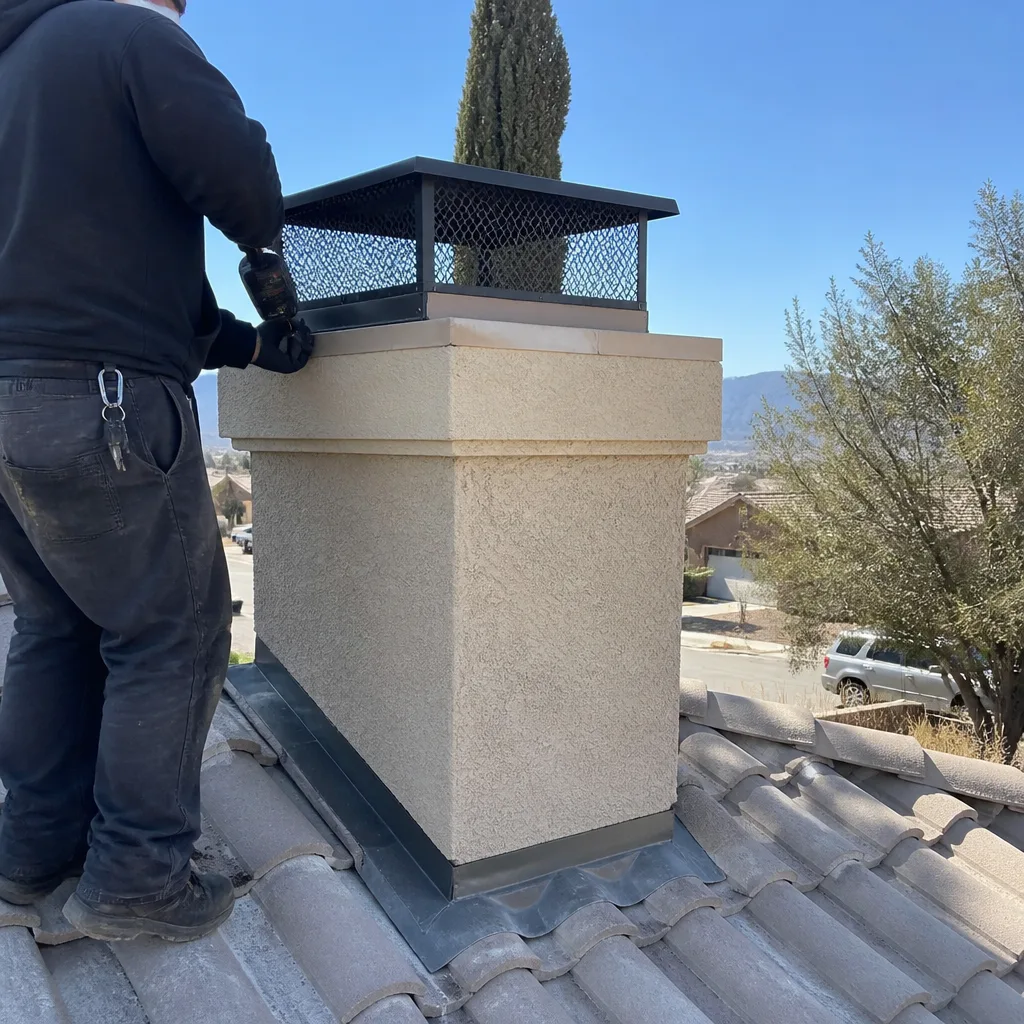
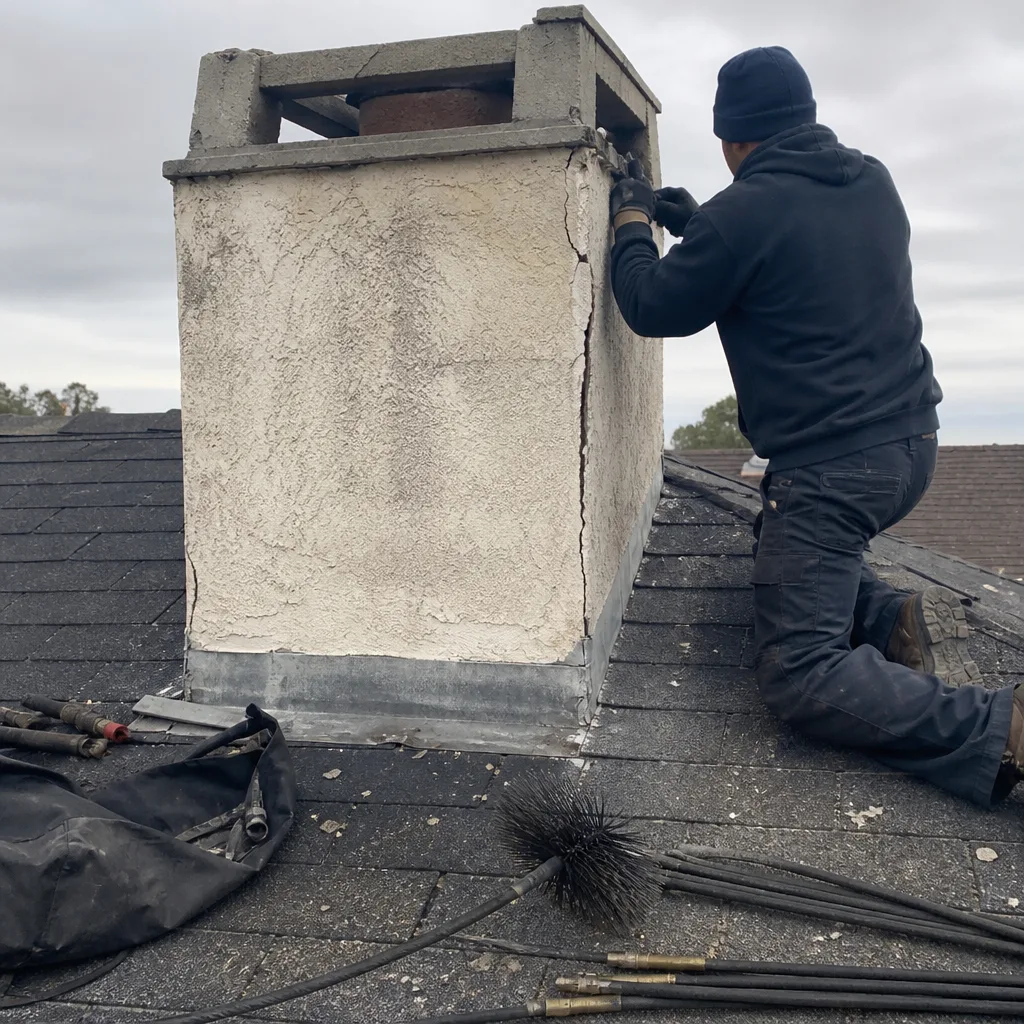
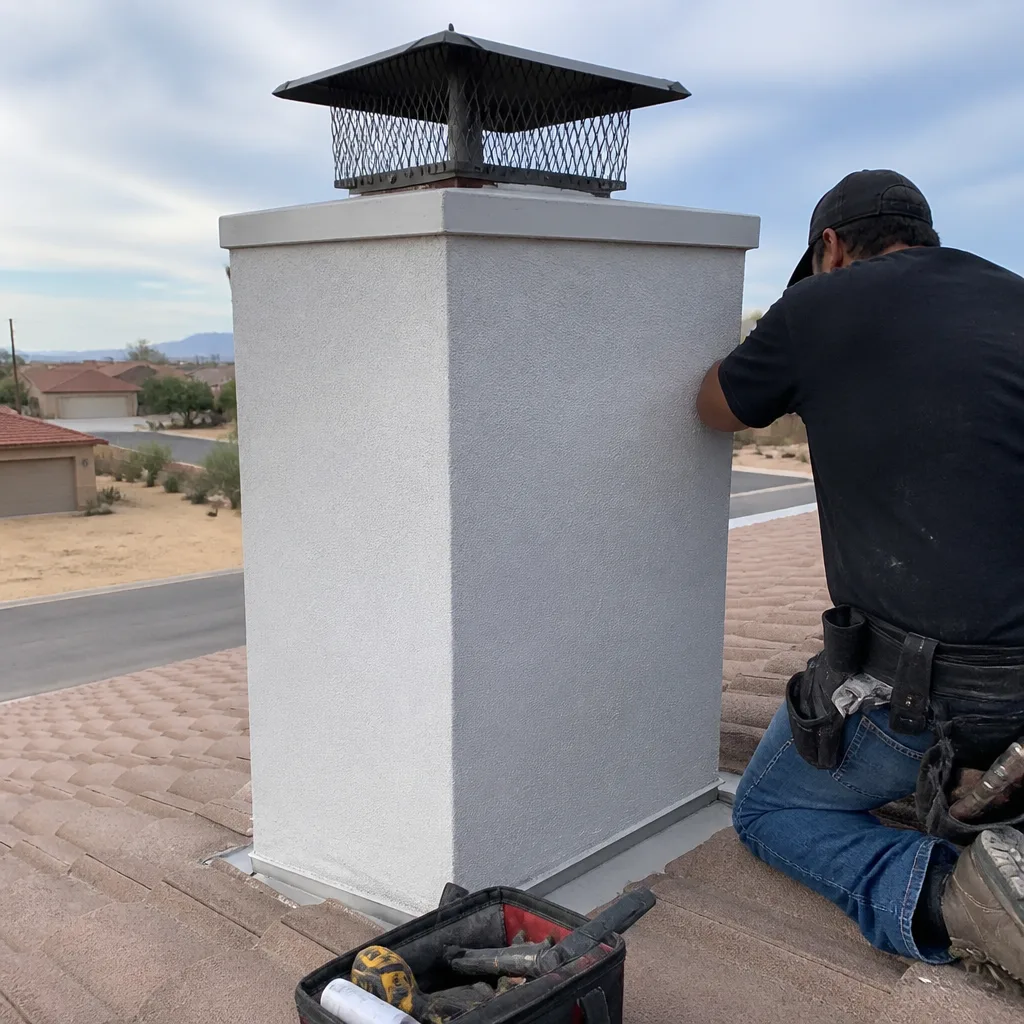
See the difference
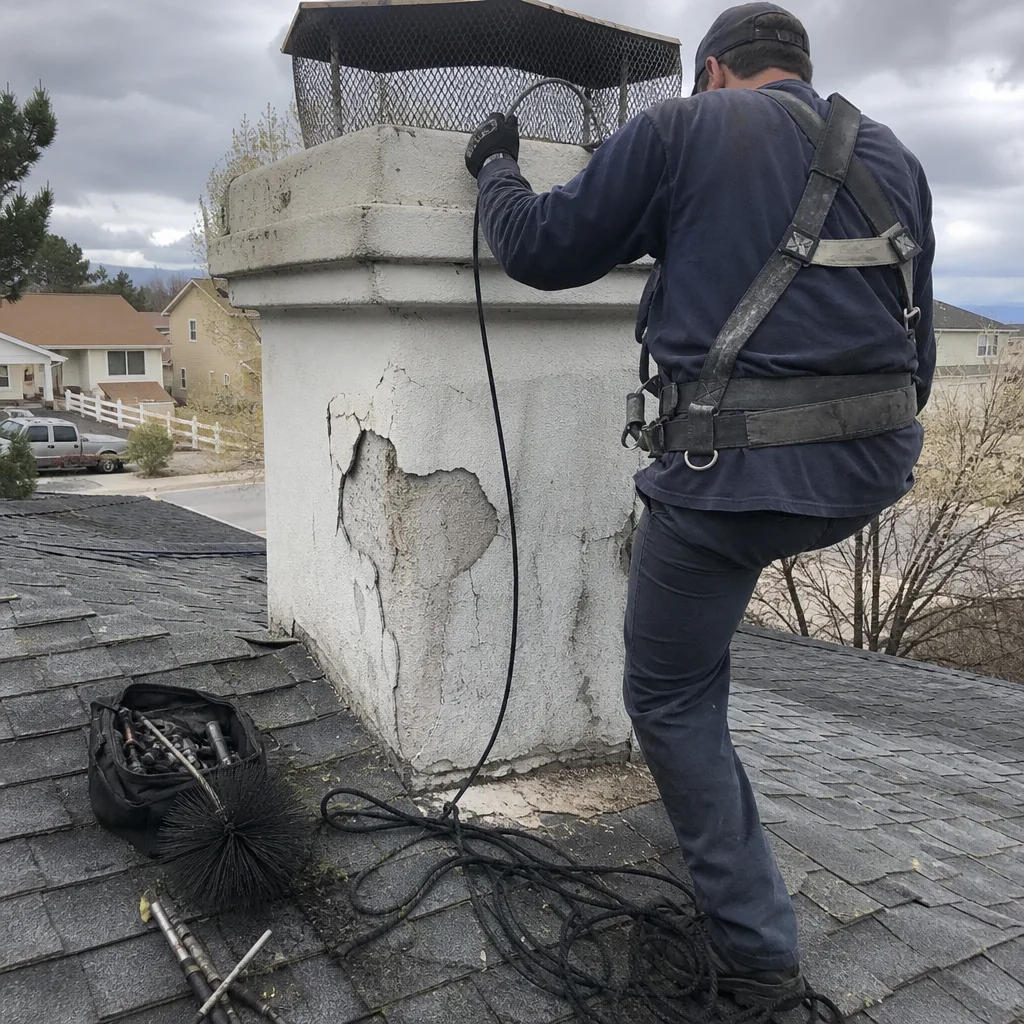 Before
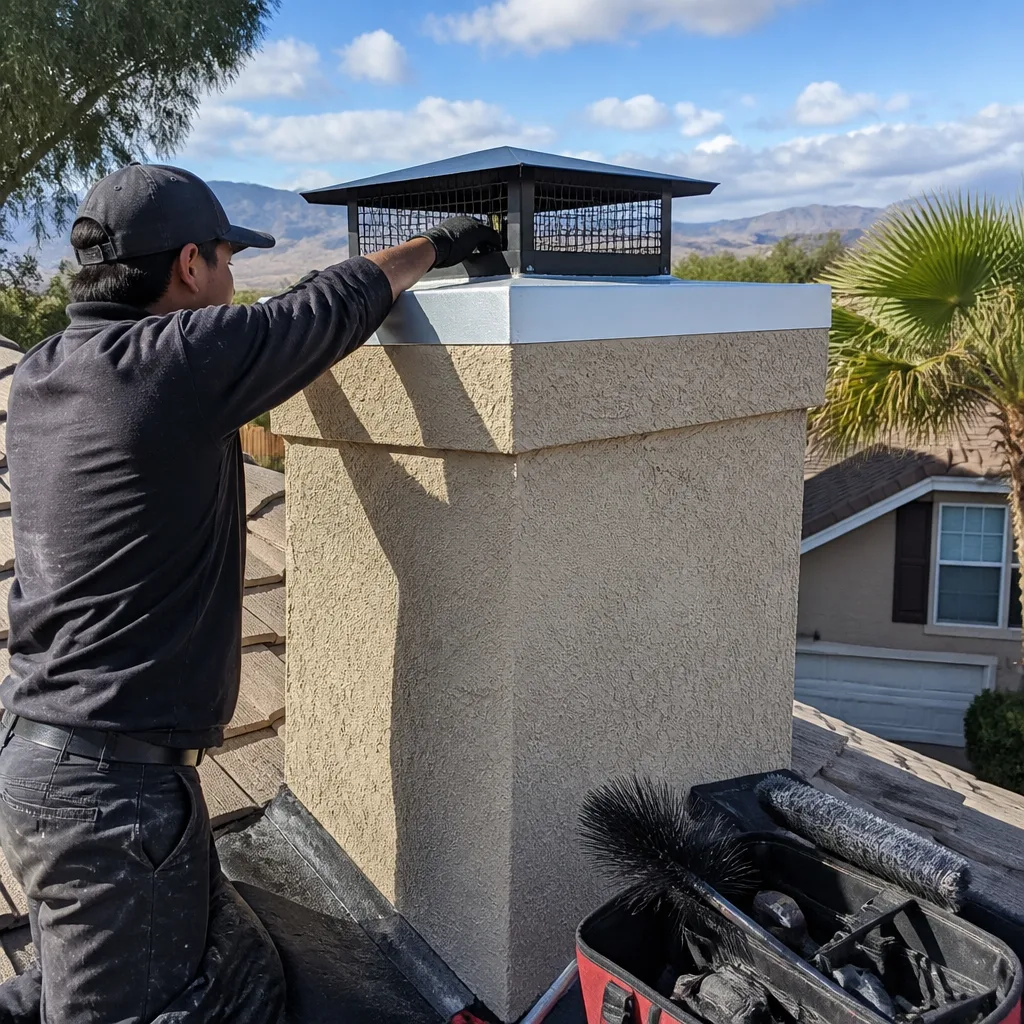 After
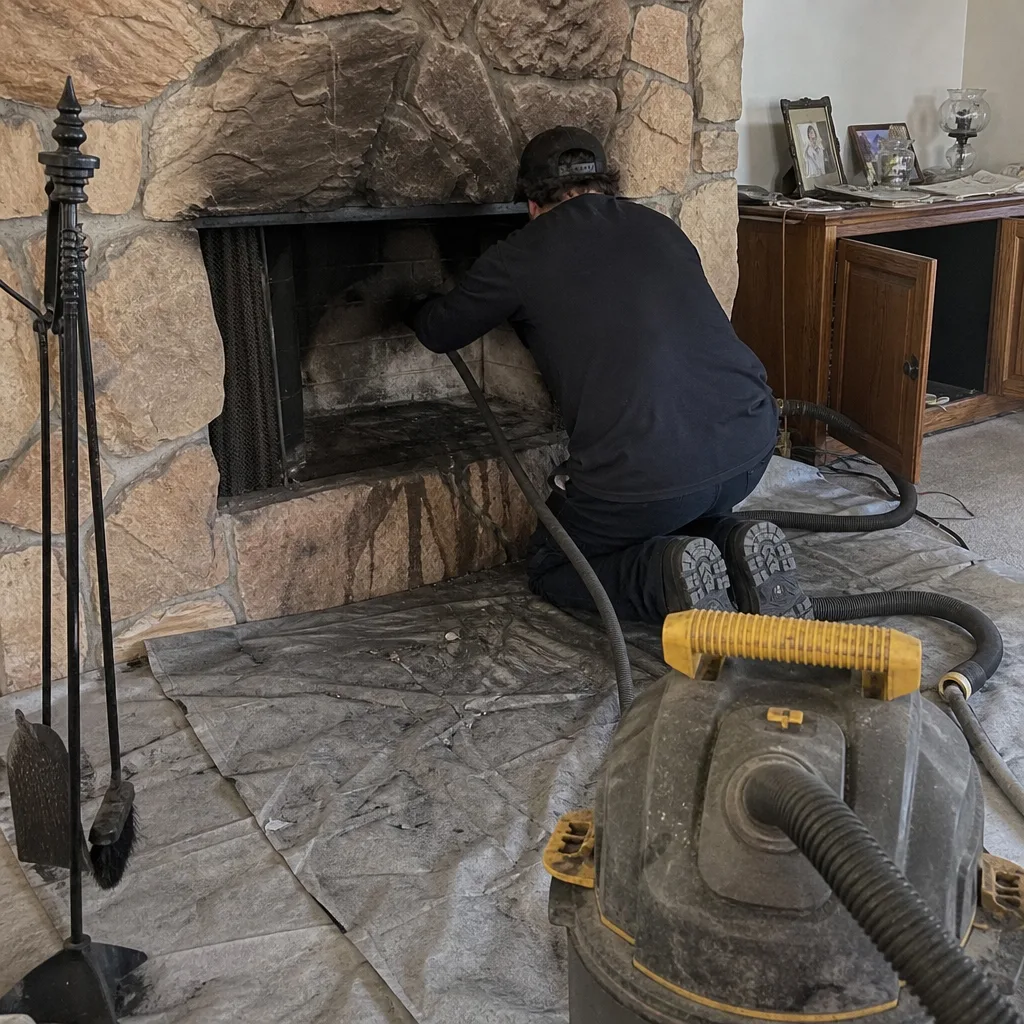 Before
 After
 Before
 After