
Last updated November 3, 2026
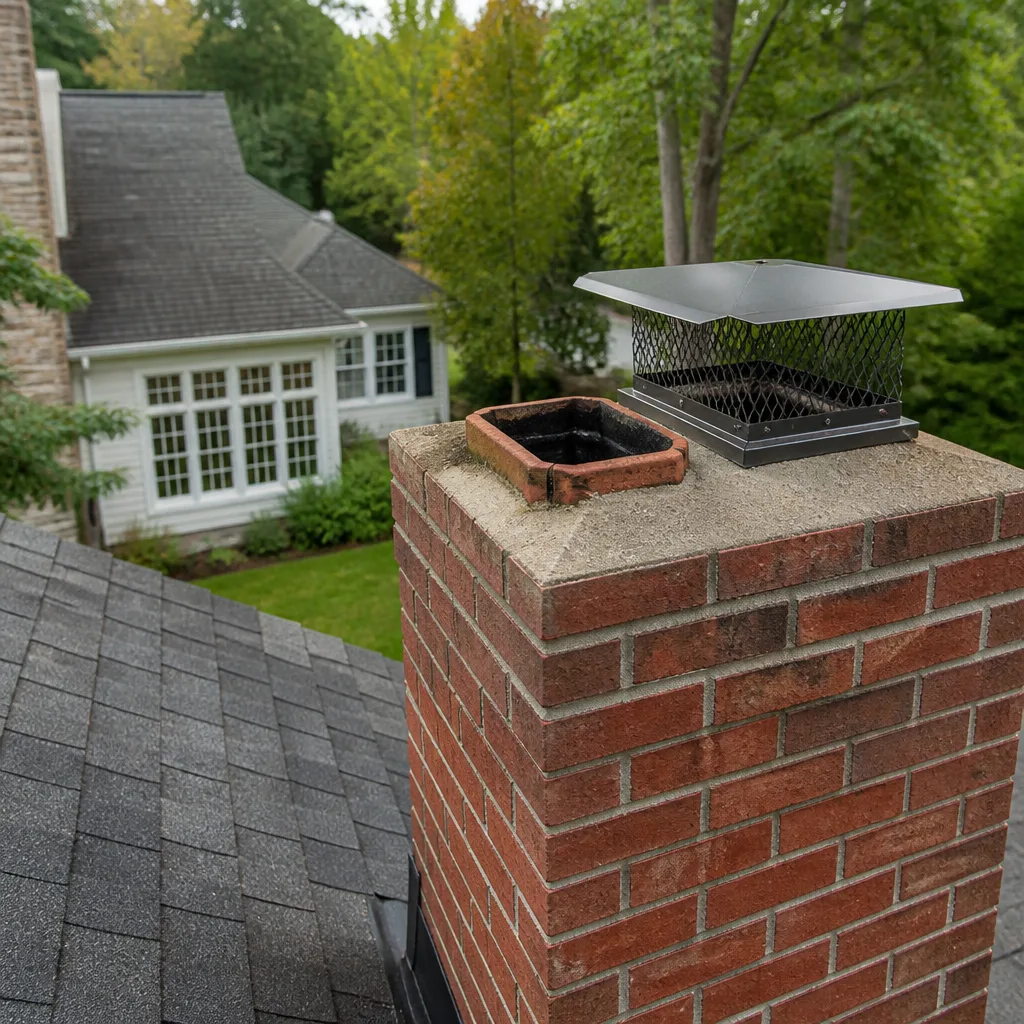 Sweep & inspection
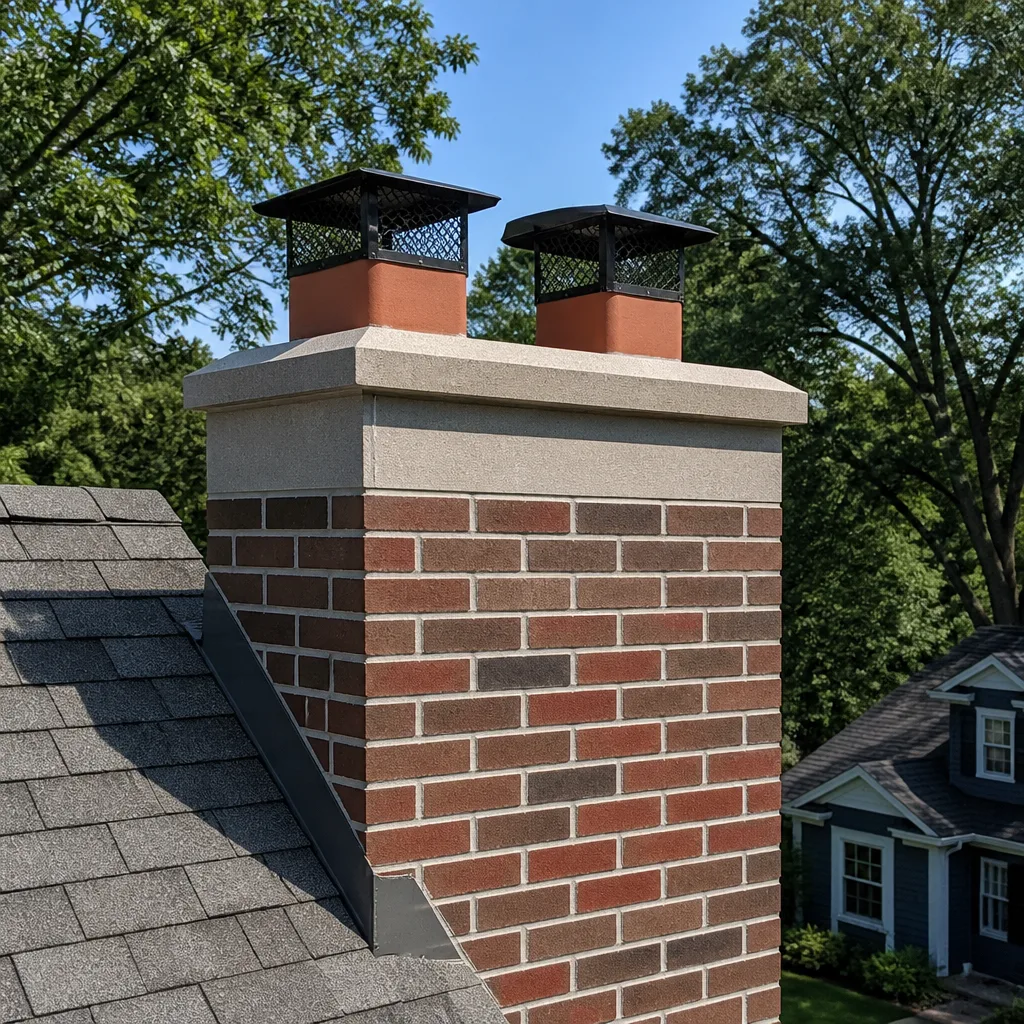 Caps & crowns
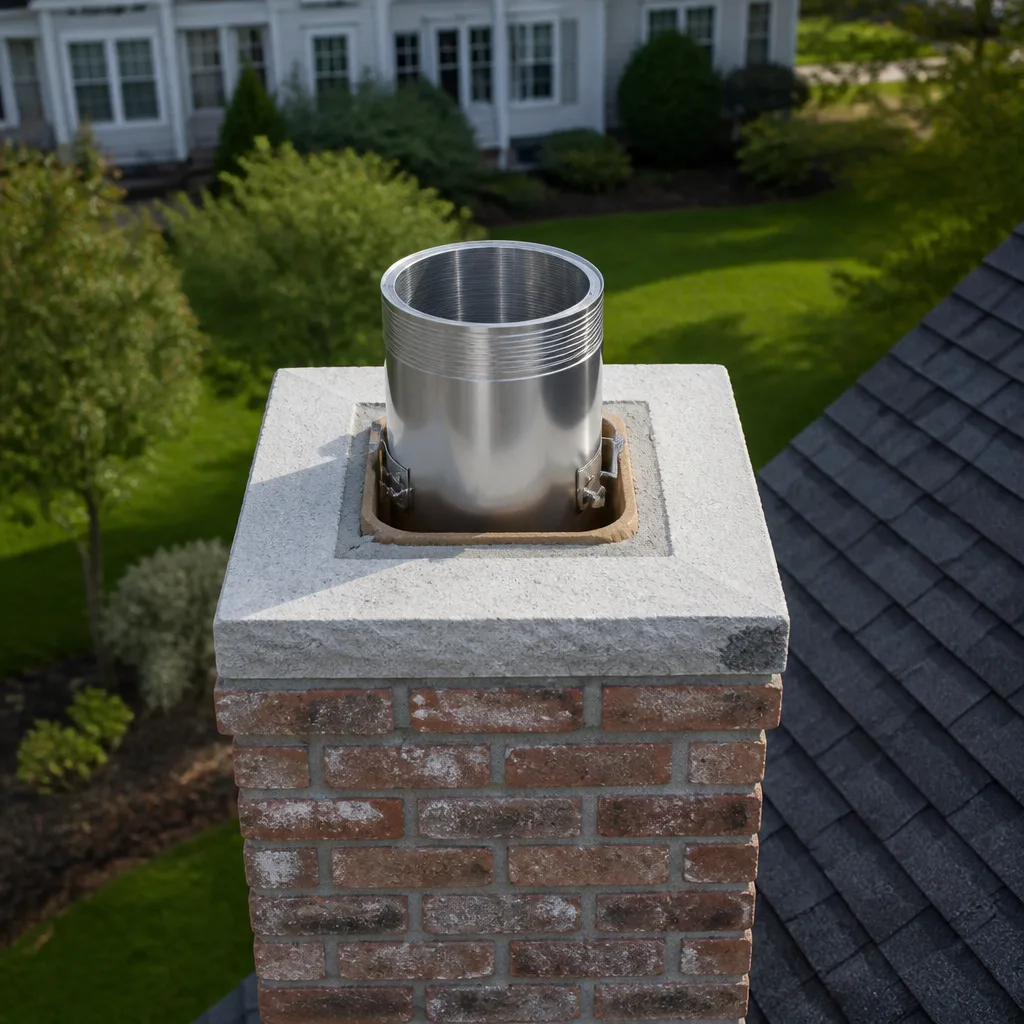 Flue relining
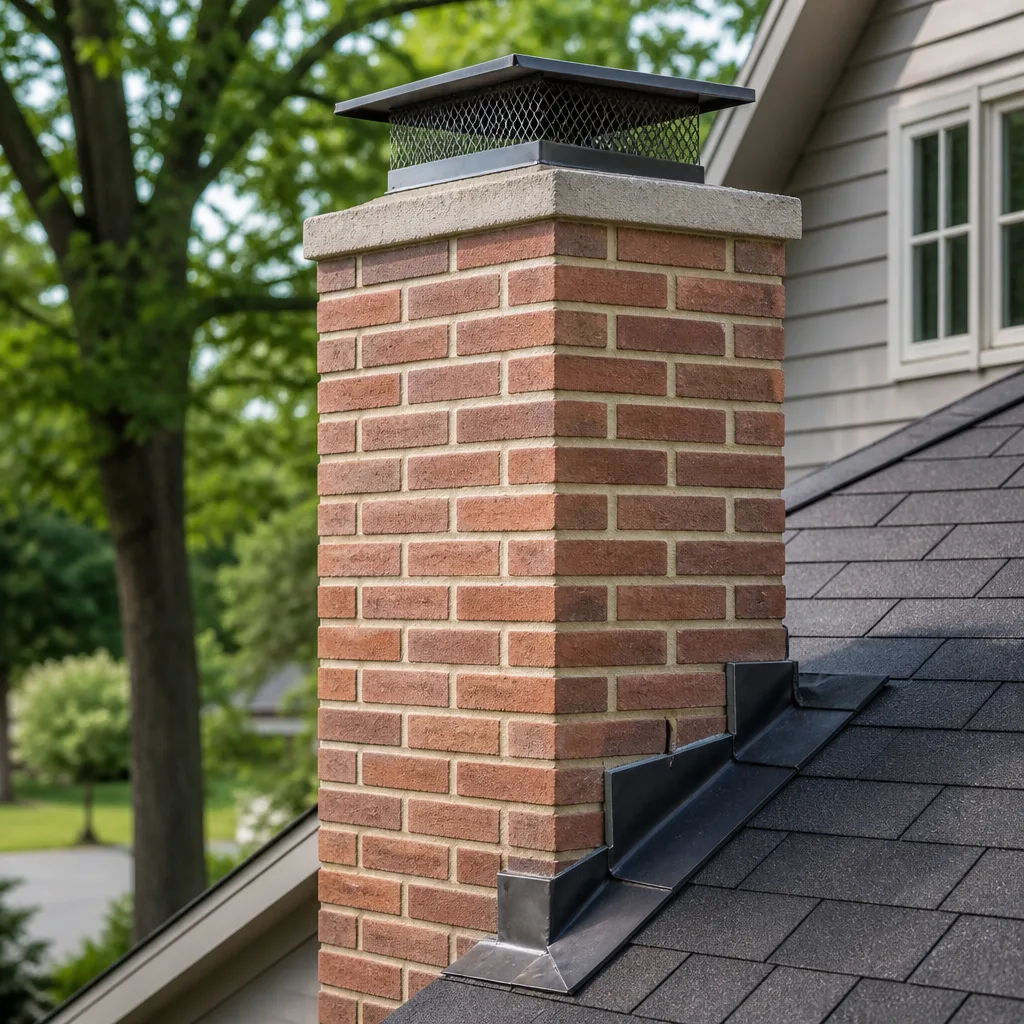 Masonry repair
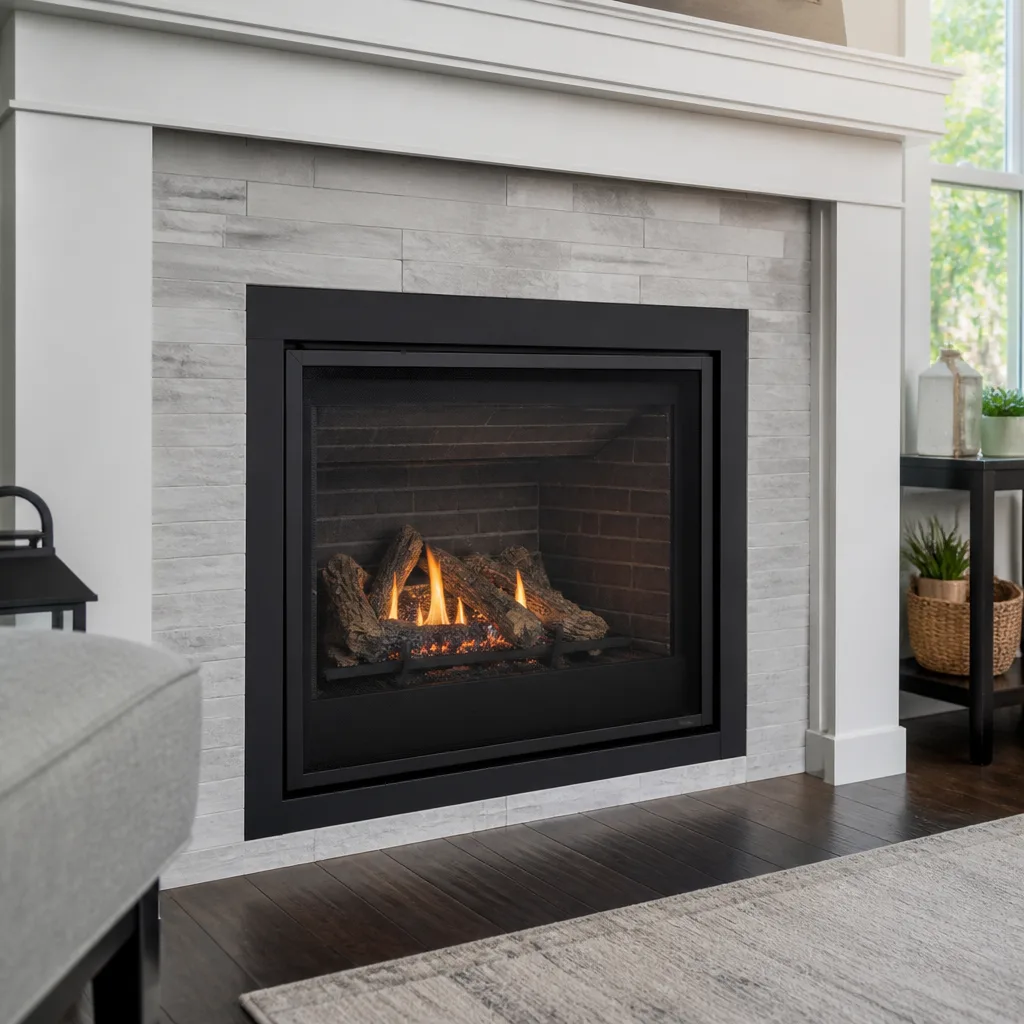 Gas fireplace service
Level 1 sweep and inspection to the NFPA 211 annual standard - flue, crown, cap, and flashing checked and photographed
Chimney sweep logs do not sweep chimneys. They loosen some creosote - which then falls where a brush and vacuum still have to collect it.
Choosing the Right Chimney Cleaning Brand: A Buyer’s Guide for Hesperia
When a contractor replaces your chimney liner, you’ll never see the material after installation. It disappears behind brick and mortar, sealed away for the next decade or two. That’s exactly why knowing the brand name before you sign matters more than for almost any other home repair. In Hesperia, where summer temperatures routinely push past 100 degrees and winter nights drop below freezing, the wrong liner material doesn’t just underperform, it can fail catastrophically. This guide explains the material landscape so you can verify what you’re actually getting, whether you’re hiring Chimney Sweep in Hesperia or any other contractor.
Styles & brands we work with
- Sweep & inspection
- Caps & crowns
- Flue relining
- Masonry repair
- Gas fireplace service
Quick Answer
The right chimney cleaning brand for Hesperia homeowners is one that uses contractor-grade materials with verifiable UL listings and alloy specifications, not generic imported components. Brands like DuraFlex, Olympia Chimney, and Famco carry UL 1777 listings and documented temperature ratings that matter for wood-burning fireplaces in this climate. Ask your contractor to show you the product packaging or manufacturer spec sheet before any liner, cap, or repair work begins.
Table of Contents
- Why the Brand Name on Your Chimney Liner Actually Matters
- DuraFlex vs. Standard 316L Stainless Flex Liner: What the Alloy Specs Mean
- HeatShield Cerfractory Resurfacing vs. Full Relining: When Each Makes Sense
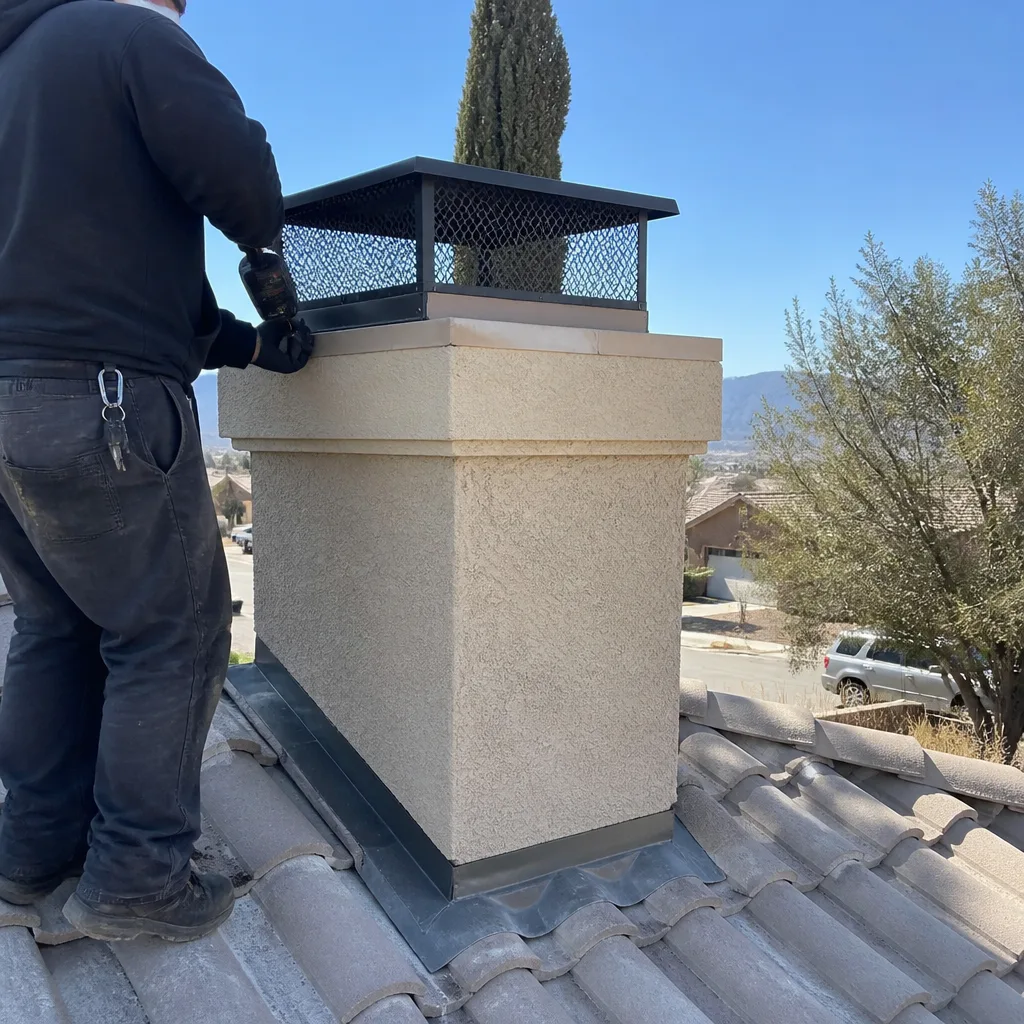
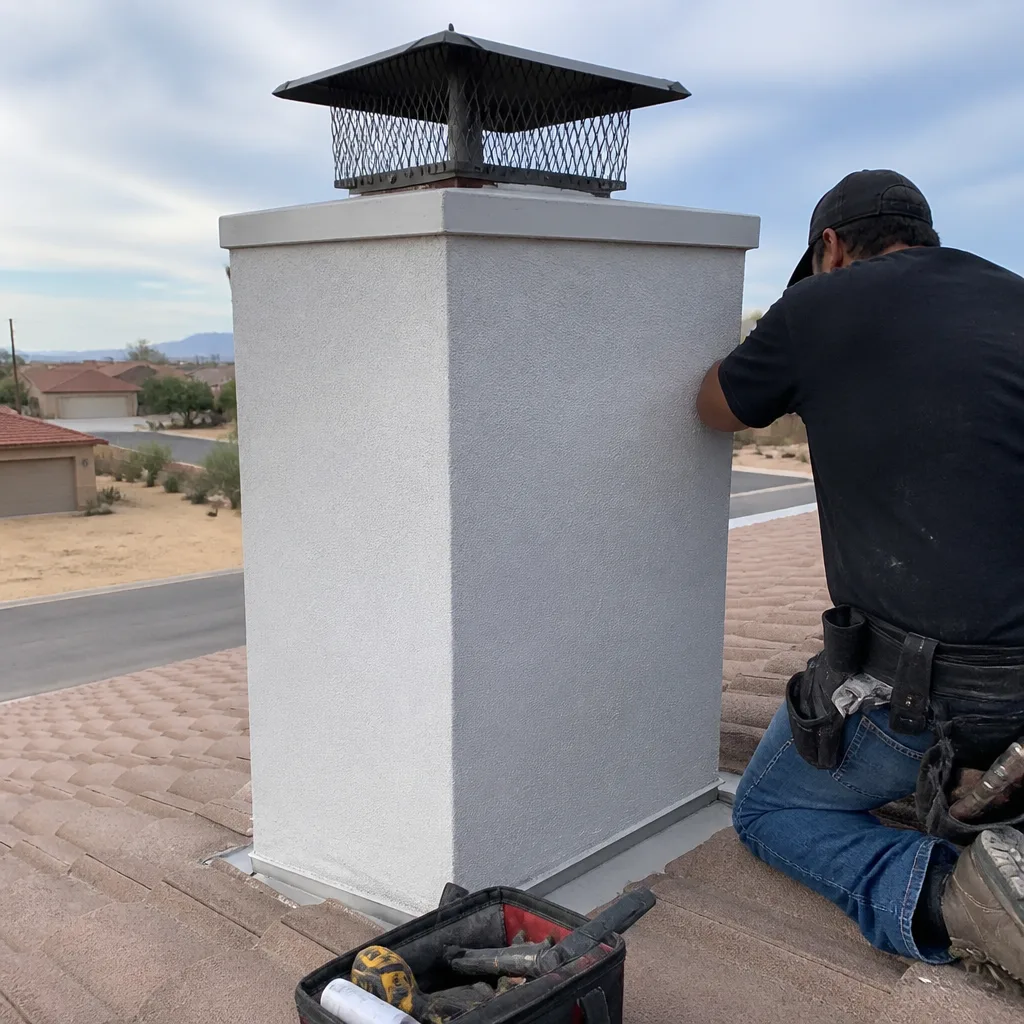
- Chimney Cap Brands: 16-Gauge Stainless vs. Galvanized Big-Box Caps
- How to Ask a Contractor to Show You the Product: A Step-by-Step
- The Warranty Chain: Manufacturer vs. Installation Warranty
- Why Generic Materials Are Common in Hesperia (And How to Avoid Them)
- Common Mistakes to Avoid
- When to Call a Professional
- Frequently Asked Questions
- The Bottom Line
Why the Brand Name on Your Chimney Liner Actually Matters
Think about the last time you bought a furnace filter. You probably glanced at the size, grabbed whatever was on the shelf, and moved on. Chimney liners are not furnace filters. A liner sits between an open flame and your home’s combustible framing. When it fails, you don’t get a warning light. You get a chimney fire or carbon monoxide leaking into a bedroom at 3 a.m.
In our experience working on chimneys across Hesperia, we’ve pulled out liners that were installed less than eight years ago and already showed perforation. The common thread: they were unbranded imports with no UL listing, no alloy documentation, and no manufacturer to call when a warranty claim came due. The homeowner paid less upfront and is now paying for a full replacement.
Brand matters here because brand names carry paperwork. A DuraFlex liner, an Olympia Chimney cap, a Famco termination kit, each of these comes with documentation specifying alloy composition, temperature rating, and testing standards. Generic materials come with a price tag and a handshake. In a Hesperia climate with 300-plus sun days, extreme temperature swings, and occasional high-desert wind gusts, the difference shows up within a few seasons.
The takeaway: you don’t need to become a metallurgist. You need to know which questions reveal whether a contractor is working with documented, listed materials or whatever was cheapest at the supply yard. This guide gives you those questions.
DuraFlex vs. Standard 316L Stainless Flex Liner: What the Alloy Specs Mean
If you ask a contractor what liner they’re installing and they say “stainless steel,” that’s not an answer. Stainless steel is a family of alloys, and the differences matter a great deal when that steel carries exhaust from a wood-burning fire at over 1,000 degrees Fahrenheit.
Standard 316L stainless is a fine material in many applications. It resists corrosion reasonably well and handles moderate heat. But not all 316L is created equal, and not all 316L is appropriate for solid-fuel chimneys. The key distinction: UL 1777 listing.
UL 1777 is the safety standard for chimney liners in the United States. A liner that carries this listing has been tested for the specific stresses of chimney service: thermal cycling, corrosion from flue gases, and structural integrity under fire conditions. DuraFlex liners carry UL 1777 listings and are manufactured with specific alloy formulations designed for both wood-burning and gas applications.
A generic import can be stamped “316L” without ever having been tested to any chimney-specific standard. The alloy might technically be 316L on paper, but the testing distinction is the entire ballgame. UL 1777 means the manufacturer submitted samples for third-party evaluation. No listing means nobody checked.
Why this matters for Hesperia specifically: wood-burning is common across the High Desert, and wood fires produce creosote, acidic condensation, and temperature spikes that gas appliances don’t. A listed liner is engineered for that environment. An unlisted liner is a gamble, and the house is the stake.
Here’s what a proper liner spec sheet should show:
- Alloy designation: 316L, 316Ti, or AL 29-4C depending on application. Each has a specific corrosion profile.
- UL listing number: UL 1777 for chimney liners, often with additional listing details for specific fuels.
- Temperature rating: Typically 1,000°F continuous for listed solid-fuel liners, higher for specific applications.
- Wall thickness: Listed liners have minimum thickness standards. Unlisted liners often run thinner to cut cost.
- Manufacturer name and contact: A real company that will answer a warranty call.
When we install liners in Hesperia homes, we work with DuraFlex systems. The reason is straightforward: the documentation is consistent, the UL listings are verifiable, and when a homeowner calls us five years later with a question, we can pull the original spec sheet and know exactly what’s in their flue.
HeatShield Cerfractory Resurfacing vs. Full Relining: When Each Makes Sense
Here’s a scenario we see all the time in Hesperia: a homeowner calls because their chimney failed an inspection. The inspector found hairline cracks in the flue tile. The homeowner braces for a five-figure rebuild, then calls us, and we tell them something they didn’t expect: you might not need a new liner at all.
HeatShield is a cerfractory resurfacing system. “Cerfractory” is a portmanteau of ceramic and refractory, and the material is engineered to bond to existing flue tiles and seal cracks from the inside. It’s not a paint and it’s not a patch. It’s a structural resurfacing that can restore the flue’s integrity without tearing out the old system.
The decision between HeatShield and full relining comes down to the condition of the existing flue:
- HeatShield is appropriate when: hairline cracks exist but the tile structure is still intact, the flue is still properly aligned, and there’s no significant spalling or missing sections. This is common in Hesperia homes built in the 1980s and earlier, where thermal cycling has caused minor cracking but the masonry is otherwise sound.
- Full relining with DuraFlex is necessary when: flue tiles have collapsed or shifted significantly, the existing liner is severely deteriorated, or the chimney is being converted from one fuel type to another. If the structural integrity of the tiles is compromised, resurfacing won’t fix it.
HeatShield carries a significant advantage when it’s appropriate: cost. Resurfacing typically runs 40 to 60 percent less than a full reline, and the job can often be completed in a single visit. For homeowners in Hesperia who need the chimney functional for the burning season, that’s a meaningful difference – one we cover in our Complete Guide to Chimney Cleaning in Hesperia.
The key is having a contractor who can do both. A company that only offers relining will always recommend relining. A company that only offers sweeping will refer you out. When the technician who inspects the flue can also offer the full range of repair options, you get a recommendation based on the actual condition, not the service menu. That’s why Chimney Repair in Hesperia pairs inspection with multiple repair paths.
Chimney Cap Brands: 16-Gauge Stainless vs. Galvanized Big-Box Caps
The chimney cap is the most overlooked component in the entire system, which is unfortunate because it’s also the first line of defense against water intrusion. A Hesperia chimney that takes on water through an inadequate cap will show the damage within a few years: rusted dampers, deteriorated mortar joints, and eventually, structural problems that cost thousands to fix.
The cap conversation usually goes one of two ways. A discount contractor installs whatever galvanized cap is on the truck. A hardware store cap runs $40 to $80 and will be rusting through within two or three Hesperia seasons. A contractor-grade cap, like those from Olympia Chimney or Famco, is typically 16-gauge stainless or heavier, built to withstand the specific stresses of this climate.
Here’s what the difference looks like in practice:
- Galvanized big-box cap: thin steel with a zinc coating. The coating degrades under UV exposure (Hesperia gets more than 300 sun days a year), and once it’s gone, the underlying steel rusts. Lifespan in this climate: 2 to 5 years if you’re lucky.
- 16-gauge stainless cap: stainless steel throughout, no coating to fail, welds that hold under wind load. Lifespan: 15 to 25 years, often longer.
- Gauge matters: 16-gauge is approximately 0.0625 inches thick. Cheaper caps run 22 or 24 gauge, which is roughly half the thickness and much more prone to deformation from hail, wind, and falling branches. The High Desert has all three.
Wind load is a specific Hesperia consideration. The area gets regular gust events, particularly in the spring and fall. A flimsy cap will rattle, shift, or detach entirely. A properly installed, heavier-gauge cap with a secure fastening system stays put. Brands like Olympia Chimney and Famco design their caps with high-wind conditions in mind, and the engineering shows.
How to Ask a Contractor to Show You the Product: A Step-by-Step
A legitimate professional welcomes the question. That’s the most important sentence in this guide. When you ask to see product packaging, spec sheets, or manufacturer documentation, a contractor who stocks name-brand materials will pull them out without hesitation. A contractor who doesn’t will deflect, dodge, or get defensive. That reaction tells you everything.
Here’s the step-by-step for verifying materials before you sign anything:
- Ask for the brand name before you get a quote. “What liner brand do you install?” If the answer is “stainless steel” or “the good stuff,” that’s not a brand. That’s a deflection. Push for a specific name.
- Ask to see a sample. Any contractor installing liners has samples, offcuts, or product literature in the truck or the shop. A DuraFlex liner section has the brand, alloy, and listing information stamped or printed on it. A generic liner often has nothing.
- Ask for the UL listing number. You’re looking for UL 1777 for liners. If the contractor doesn’t know what UL 1777 is, that’s your answer.
- Ask what warranty the manufacturer offers and what the installer offers. These are two different things, and we’ll cover that in the next section. The point here: a name-brand product comes with a manufacturer warranty that exists independently of the installer. Generic products usually don’t.
- Ask if the contractor can show you the box on install day. The brand name should be visible on the packaging. If they can’t show it to you before it goes into the flue, assume it won’t be shown to you after.
We’ve had Hesperia homeowners tell us previous contractors got visibly annoyed when asked these questions. That’s a red flag the size of a tarp. A contractor who is confident in their materials will treat your question as an opportunity to demonstrate expertise, not an inconvenience.
The Warranty Chain: Manufacturer vs. Installation Warranty
There are two warranties on any chimney repair job, and most homeowners only ever hear about one. The installation warranty comes from the contractor and covers workmanship: was the liner installed correctly, is the cap secure, did the crew leave the job site in good condition. The manufacturer warranty comes from the company that made the liner, cap, or resurfacing material, and it covers product defects: did the alloy fail prematurely, did the welds crack, did the material perform below specification.
Here’s where it gets important for Hesperia homeowners:
- If a contractor stocks name-brand materials, the manufacturer warranty exists independently. Even if the contractor goes out of business, you can pursue a claim with the manufacturer, provided the installation met their specifications.
- If a contractor uses generic materials, there is no manufacturer to call. The only warranty is the contractor’s promise, and a promise is only as good as the person making it.
DuraFlex, Olympia Chimney, and Famco all have established warranty programs with documented terms. They’re real companies with real customer service departments and real procedures for processing claims. That matters because chimney components fail slowly. A liner that develops a problem five years after installation might not show symptoms until year seven. If the manufacturer is gone, or worse, never existed as a traceable entity, you’re paying for the repair yourself.
When we install materials in Hesperia, we can hand the homeowner both warranties: the manufacturer’s documentation for the product and our installation coverage. We also keep records of the specific materials used in each chimney, so there’s never a question about what was installed if a claim needs to be filed.
Why Generic Materials Are Common in Hesperia (And How to Avoid Them)
Hesperia is a competitive market for home services, and price pressure is real. When homeowners compare quotes and take the lowest number without asking about materials, contractors respond by cutting material costs. A generic liner might save $200 on a job. A galvanized cap saves $50. Those savings pass to the homeowner as a lower quote, and the homeowner has no way to know they just bought a material that will fail in half the time.
This is not to say every affordable contractor is cutting corners. But the economics push that direction, and the only defense is asking the questions outlined above.
Another factor: Hesperia has a significant number of older homes, many built during the 1980s housing boom. These chimneys are now 35 to 45 years old and showing their age. Flue tiles are cracking, mortar joints are deteriorating, and original caps are long since rusted through. Homeowners in these houses often face their first major chimney repair, and they’re making decisions without prior experience in this arena. That’s exactly the situation where a contractor can install whatever they want, and the homeowner won’t know the difference until something fails.
The antidote is simple: know the brands, or at least know to ask. You don’t need to become a chimney expert. You need to become a homeowner who asks the three questions that separate a legitimate professional from a price-cutter:
- What brand is the liner, cap, or repair material?
- Can I see the product documentation or packaging?
- What’s the manufacturer warranty on this material?
Three questions. Two minutes. The difference in your chimney’s lifespan can be measured in decades.
Common Mistakes to Avoid
- Accepting “stainless steel” as a brand name. Stainless steel is a material category, not a brand. DuraFlex is a brand. “Stainless steel” without a brand name attached means the contractor either doesn’t know what they’re installing or doesn’t want you to know. Either way, walk.
- Choosing a quote based on price alone. In the Hesperia market, a quote that’s $200 lower often reflects $200 of material downgrades. The Mathis cheap and asking zero questions is how homeowners end up with generic liners that fail in eight years.
- Skipping the cap replacement because the sweep didn’t mention it. A chimney cleaning isn’t a full inspection. If your sweep doesn’t evaluate the cap while they’re up there, you might have a rusted-through cap that’s been letting water in for years without knowing it.
- Assuming manufacturer warranty transfers with the house. Some warranties do, some don’t, and some require registration within a specific window after installation. If you bought a Hesperia home with a recent chimney reline, check the documentation rather than assuming you’re covered.
- Not asking about dryer vent cleaning at the same visit. The U.S. Fire Administration identifies dryer vent fires as one of the leading causes of residential structure fires. A chimney sweep that also handles Dryer Vent Cleaning in Hesperia can address both fire risks in one appointment. A chimney-only company leaves the dryer vent unaddressed.
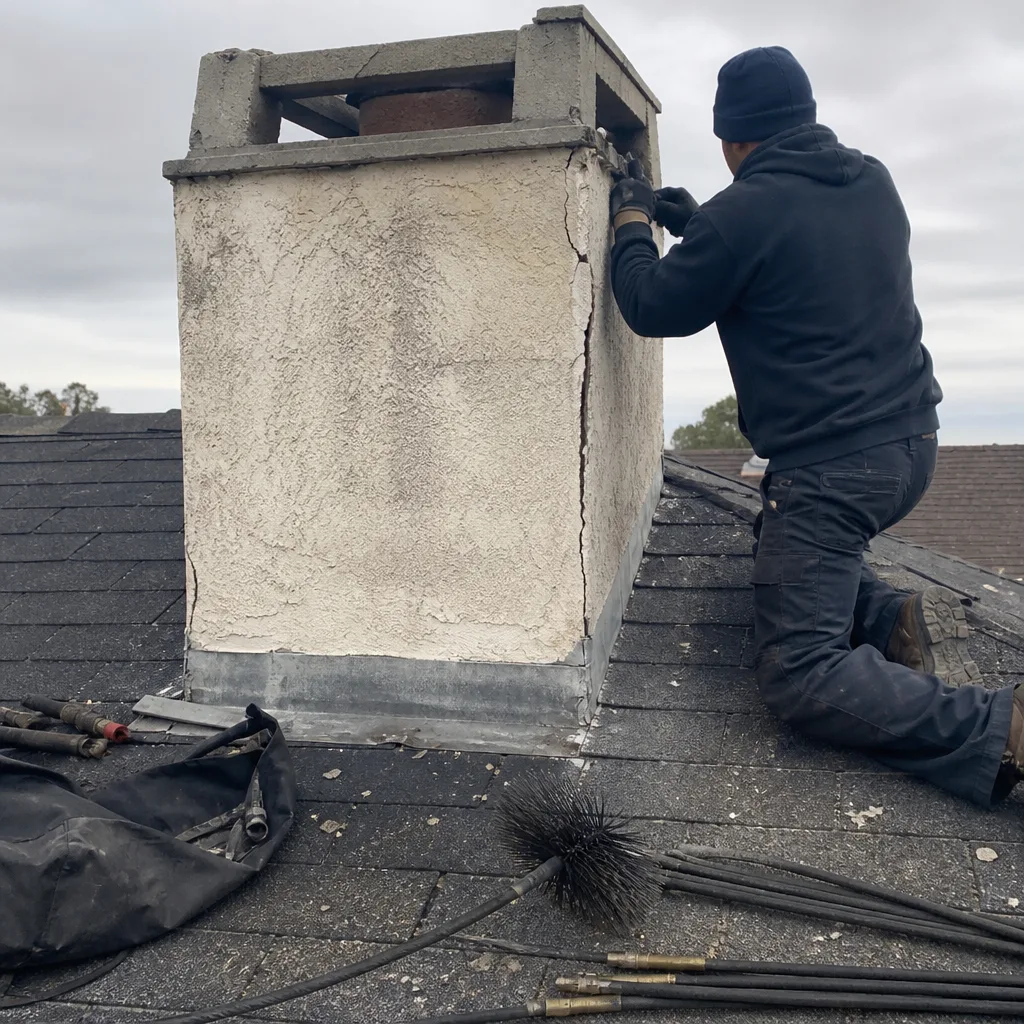
- Delaying repair because the cracks “look small.” Hairline cracks in flue tiles expand under heat stress. What looks minor in a camera inspection during spring will be worse by the first hard freeze. Hairline cracks are exactly what HeatShield resurfacing was designed to address, and catching them early is dramatically cheaper than waiting for structural failure.
- Assuming every contractor who says “HeatShield” is certified to install it. HeatShield is a specific cerfractory system with specific installation training. Ask whether the contractor is a certified HeatShield installer. If they can’t answer directly, they’re likely not.
When to Call a Professional
If you’ve noticed a smokey smell inside your home when the fireplace is burning, that’s a sign of draft failure and potentially a damaged flue. If you see water staining on the ceiling near the chimney or on the chimney masonry itself, you have a cap or crown problem that needs attention before the next rain. If your chimney is due for its annual cleaning, or if you’ve never had the flue inspected with a camera, the best time to schedule is now – our DIY vs Professional Chimney Cleaning guide explains why – before burning season starts and every sweep in Hesperia is booked for weeks. If a contractor tells you the chimney needs a liner replacement or major repair, get that recommendation in writing and ask the brand questions from this guide before you sign. Chimney Sweep Hesperia offers free estimates in Hesperia; call (855) 382-8016 and we’ll evaluate the full picture, including your dryer vent.
Frequently Asked Questions
A full chimney liner replacement in Hesperia typically ranges from $2,500 to $6,000 for a standard single-story home, depending on flue length, roof accessibility, and whether additional repairs like crown work or cap replacement are needed. HeatShield resurfacing is a meaningful cost reduction when the existing flue qualifies, often running 40 to 60 percent less than full relining. Every chimney is different; call (855) 382-8016 for an exact quote after a camera inspection, and estimates are always free.
DuraFlex is a UL 1777-listed liner with documented alloy composition and temperature ratings tested specifically for chimney service, while generic flex liners often carry no listing and no manufacturer documentation. The difference shows up over time: a listed liner is engineered for the thermal cycling that wood-burning in Hesperia produces, while an unlisted liner is an unknown that might perforate within a decade. Ask any contractor to show you the product packaging, and the difference becomes obvious immediately.
A wood-burning fireplace in Hesperia should be swept at least once per burning season, and more often if you burn softwoods like pine or if you use the fireplace more than three times a week. Creosote accumulates faster in high-desert conditions because the temperature swings create more condensation inside the flue. A professional sweep with a camera inspection each year is the minimum standard for fire safety. Call (855) 382-8016 to schedule yours before the Hesperia burning season starts.
HeatShield cerfractory resurfacing is a documented repair method that can restore flue integrity when hairline cracks exist but the tile structure is still sound, and it’s often the better option because it preserves the existing system at lower cost. A new liner becomes necessary when tiles have collapsed, shifted significantly, or deteriorated to the point where resurfacing can’t bond properly. The right call requires a camera inspection to assess the actual condition, not a blanket recommendation. That assessment should come from a contractor who offers both options, so the recommendation is driven by your chimney’s condition, not the service menu.
Creosote builds up inside the flue with every wood fire, and once it reaches 1/4 inch of accumulation, it becomes a realistic chimney fire risk. Hesperia’s dry climate also means creosote accumulates differently than in coastal areas, sometimes forming a hard, glazed layer that’s more difficult to remove. A chimney fire can crack flue tiles, compromise the liner, and spread to the home’s framing. The annual cleaning is inexpensive insurance compared to the cost of fire damage. Call (855) 382-8016 and schedule a sweep before the burning season.
Chimney repair work in Hesperia generally falls under standard California building code requirements, and liner replacement or structural repair should be done by a licensed contractor with pulled permits where required. Your contractor should be able to explain what’s needed for your specific job. The city’s building department can confirm current requirements, and a professional chimney company will handle permitting as part of the job.
The Bottom Line
Buying chimney cleaning or repair services in Hesperia without knowing the brands going into your home is like buying a car without looking under the hood. The right contractor will tell you the brand names, show you the packaging, and explain why a UL 1777-listed liner or a 16-gauge stainless cap matters for your specific chimney. The wrong contractor will deflect, dodge, and quote a lower price that costs more in the long run. Ask the questions in this guide. If the answers don’t include brand names, spec sheets, and warranty documentation, keep looking. Chimney Sweep Hesperia home to browse our services, see how we approach the full fire-safety picture, and call (855) 382-8016 for a free estimate from a team that stocks and installs contractor-grade materials by name.
Written by the team at Chimney Sweep Hesperia, serving Hesperia since 2014. Explore more guides & resources.
See the difference
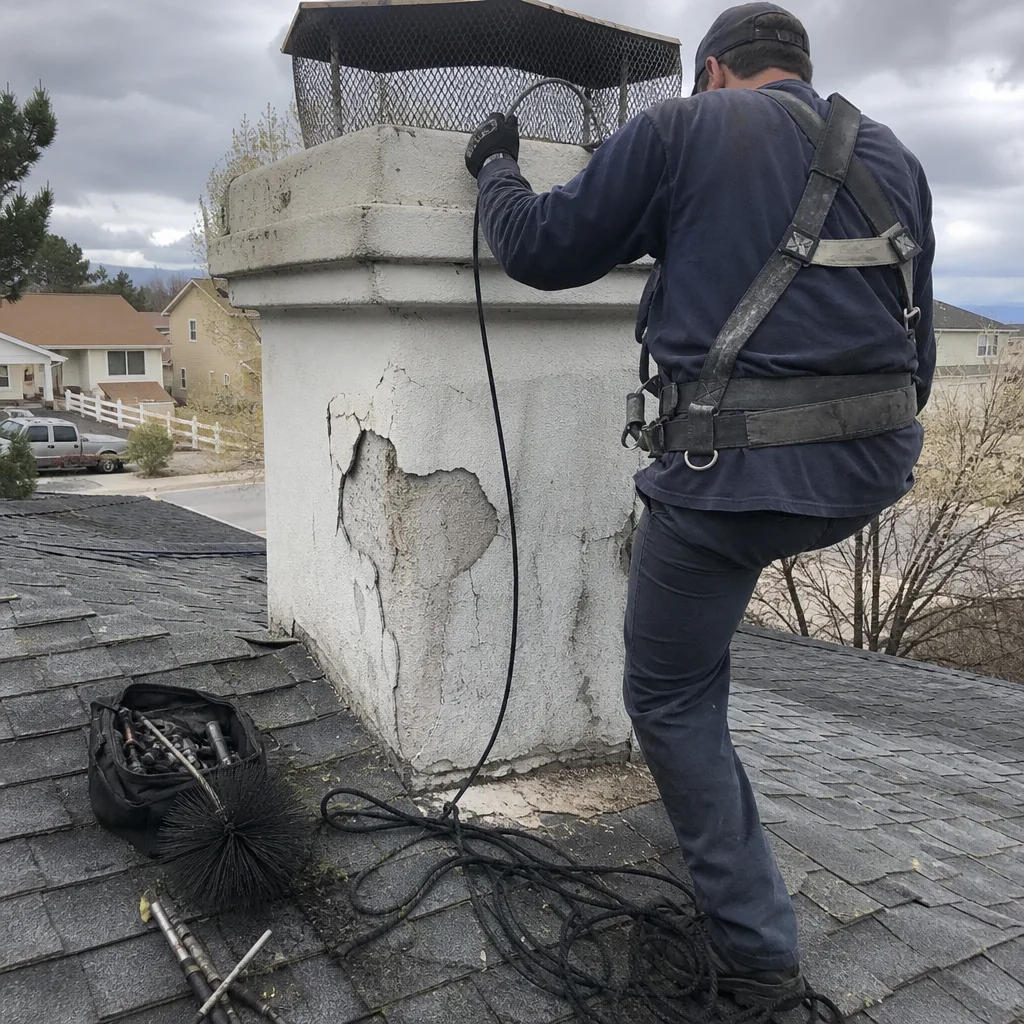 Before
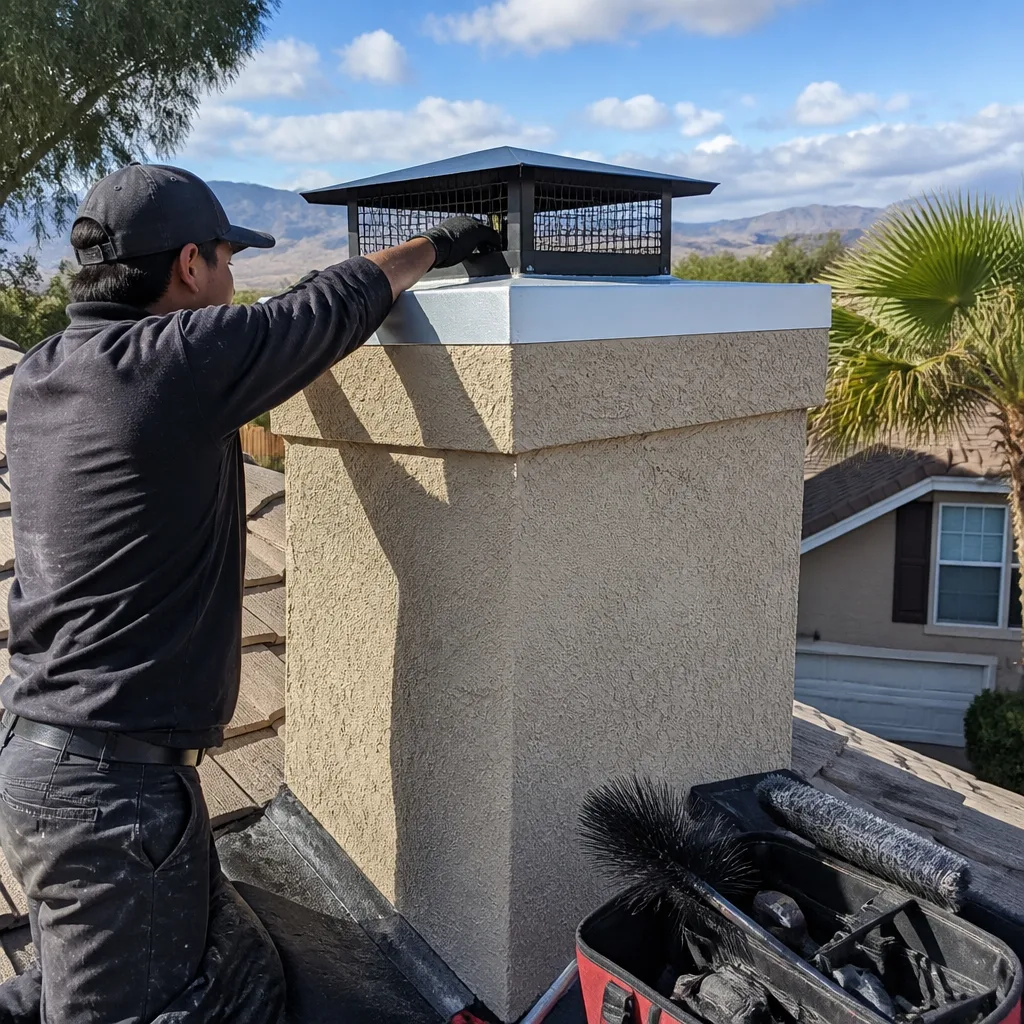 After
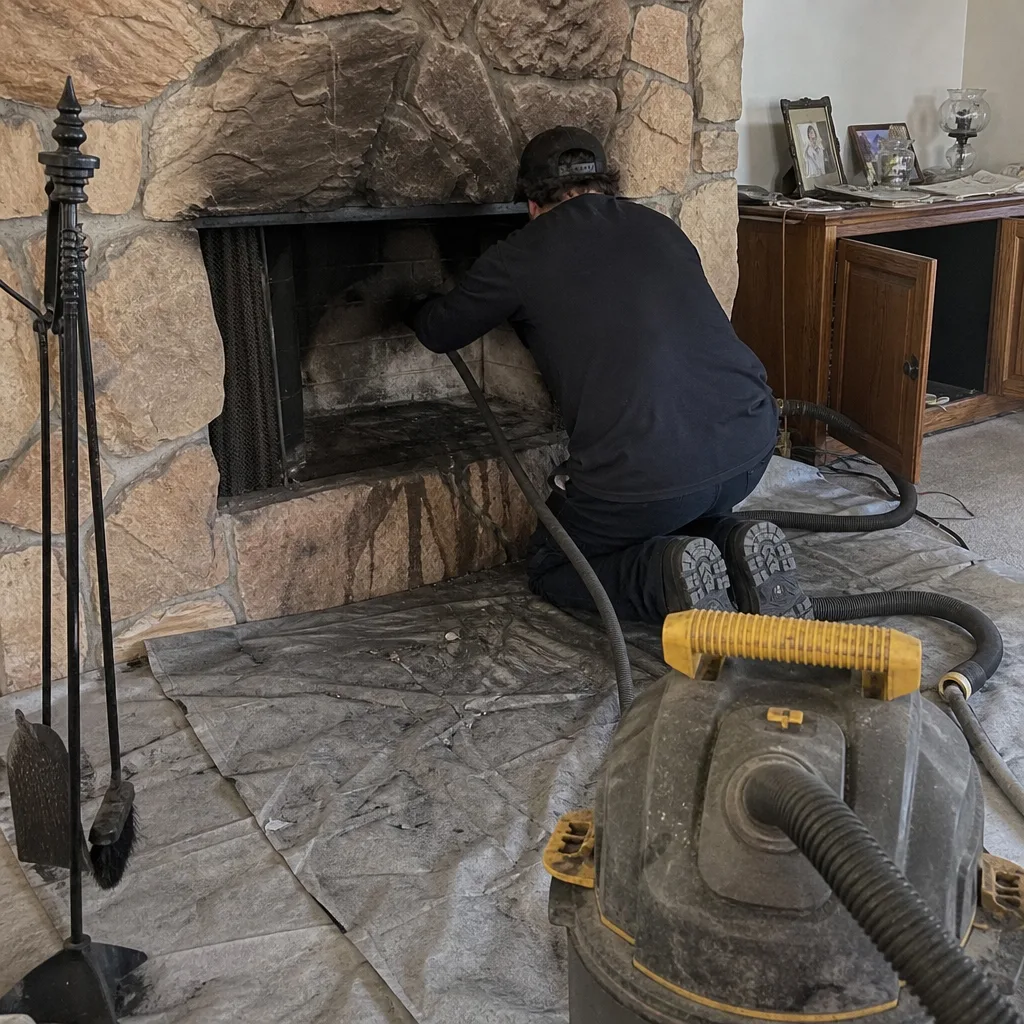 Before
 After
 Before
 After