
Last updated November 2, 2026
 Sweep & inspection
 Caps & crowns
 Flue relining
 Masonry repair
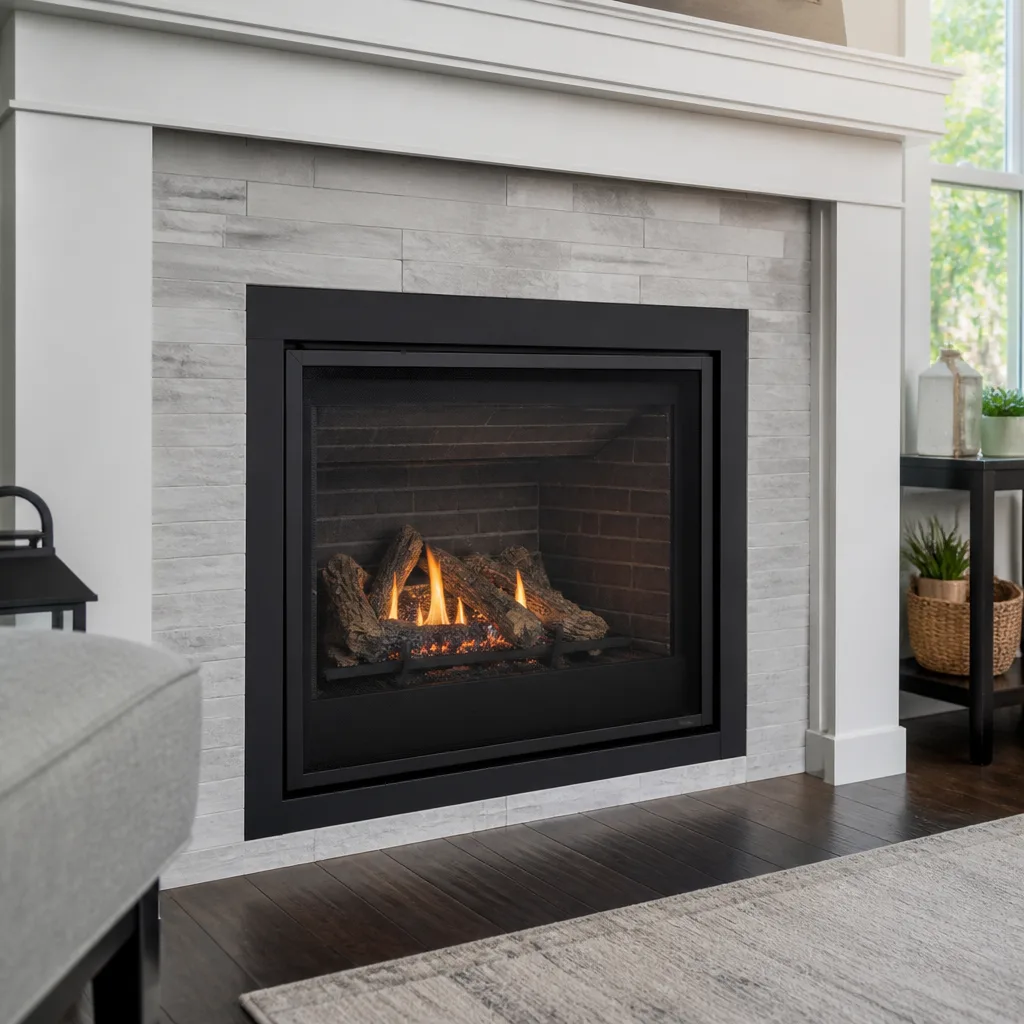 Gas fireplace service
Level 1 sweep and inspection to the NFPA 211 annual standard - flue, crown, cap, and flashing checked and photographed
Chimney sweep logs do not sweep chimneys. They loosen some creosote - which then falls where a brush and vacuum still have to collect it.
Chimney Sweep Maintenance Checklist for Hesperia Homeowners
Most chimney fires in Hesperia don’t start during a quiet February evening fire. They start months earlier, as creosote builds up unnoticed in the flue and masonry slowly gives way in the High Desert’s punishing summer heat. This guide gives you a maintenance checklist built specifically for Hesperia’s two fire seasons: the wood-burning winter months when creosote accumulates fast, and the wildfire-prone summer when ember intrusion and masonry degradation become real dangers. You’ll learn which four checks you can safely do yourself without tools or a ladder, what to document each month, and which tasks require a certified sweep with professional equipment.
Styles & brands we work with
- Sweep & inspection
- Caps & crowns
- Flue relining
- Masonry repair
- Gas fireplace service
Quick Answer
A Hesperia chimney maintenance checklist should follow a month-by-month rhythm: visual firebox and damper checks during burning season, exterior masonry inspections after high-heat summer months, a professional chimney sweeping once per year or every 40-50 fires, and an annual camera scope of the flue interior. Homeowners can safely check the firebox floor, damper plate, visible smoke chamber walls, and exterior masonry from ground level. Everything else requires our Chimney Sweep services with the right tools and training.
Table of Contents
- What You Can Safely Check Yourself
- The Month-by-Month Hesperia Chimney Checklist
- Signs a Cleaning Is Overdue Before Smoke or Odor Appears
- Exterior Masonry Checks Specific to High Desert Conditions
- How to Document Your Chimney Condition Annually
- Santa Ana Wind and Wildfire Smoke Protocol
- The Dryer Vent Fire Risk You Might Be Ignoring
- Common Mistakes to Avoid
- When to Call a Professional
- Frequently Asked Questions
- The Bottom Line
What You Can Safely Check Yourself
There are exactly four things a Hesperia homeowner can inspect without tools, without a ladder, and without putting themselves at risk. Knowing these four prevents the false confidence that leads to skipped professional appointments. It also gives you a baseline so you know when something has changed.
- The firebox floor. Kneel at the hearth opening and look down. You’re checking for cracked firebrick, loose mortar, or a buildup of ash deeper than two inches. You’re also looking for any dark, shiny, tar-like substance. That’s creosote dripping down from the flue above, which tells you a cleaning is overdue.
- The damper plate. Open the damper fully and look at the metal plate. You’re checking for rust, warping, or a plate that doesn’t open and close smoothly. A damper that won’t seal properly when closed lets heated air escape in summer and cold air in during winter. If the damper feels stuck or grinds when you move it, don’t force it.
- The visible smoke chamber walls. Shine a flashlight up from the firebox and look at the angled walls above the damper. In a clean chimney, you’ll see brick or clay tile. If you see black, flaking material or thick, crusty buildup, creosote has accumulated in the flue. This is a fire hazard and a cleaning is overdue.
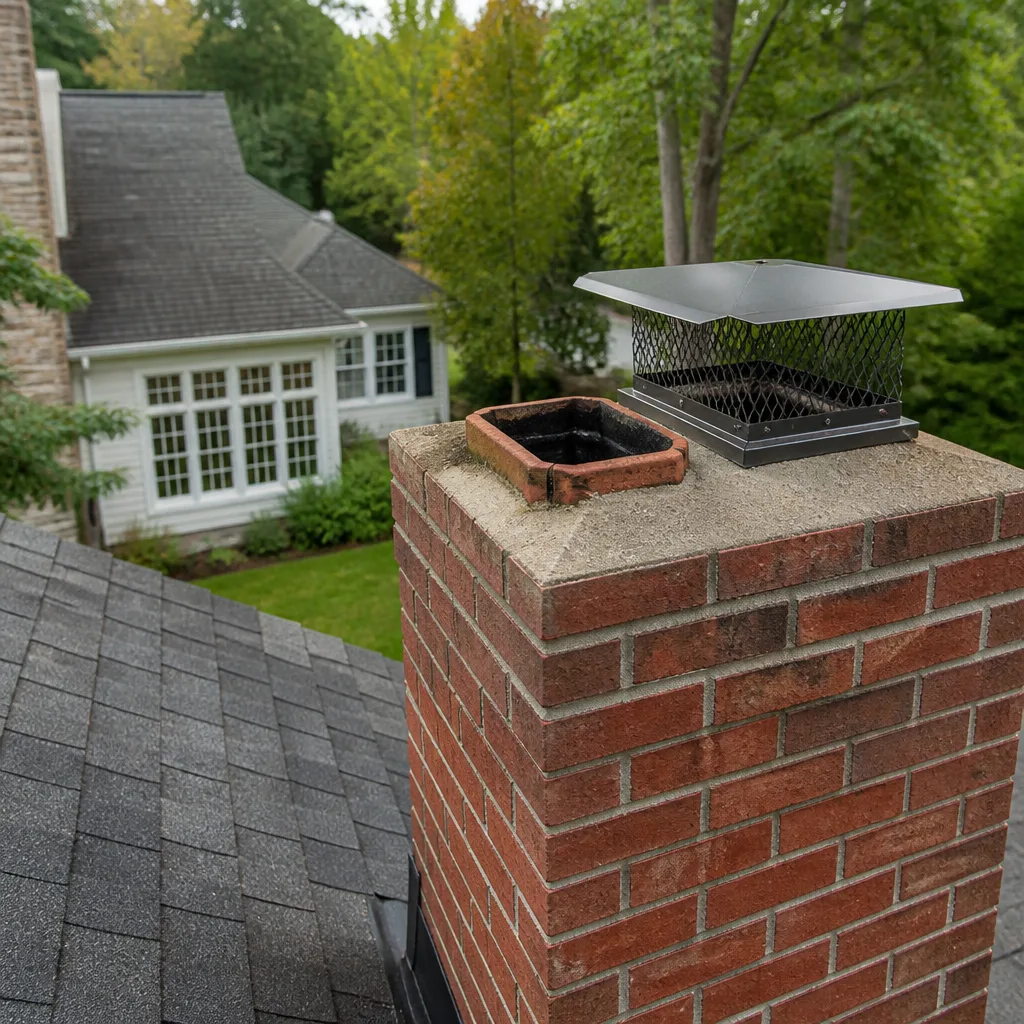
- Exterior masonry from ground level. Walk around your home and look at the chimney from the ground. You’re checking for white chalky stains on brick, cracks in the cap, missing mortar between bricks, or any lean to the structure. Hesperia’s summer heat and winter freezes put real stress on masonry, and small cracks widen faster than most homeowners expect.
Anything beyond these four checks, including anything that requires a ladder, belongs with a certified sweep. No homeowner should climb onto a roof to inspect a chimney cap or flue liner. Falls from roofs are a leading cause of home-related injuries, and the High Desert’s tile roofs are especially unforgiving. Chimney Sweep in Hesperia inspections include a full roof-level evaluation with the right safety equipment.
The Month-by-Month Hesperia Chimney Checklist
Hesperia doesn’t have a single chimney season. We have two: the wood-burning months from October through March, and the wildfire-prone months from April through September. A proper maintenance calendar acknowledges both. Here’s what each month requires.
October: Pre-Burn Inspection
This is the most important month of the year for Hesperia homeowners who burn wood. Before the first fire of the season, schedule a professional chimney sweeping and inspection. Your sweep should clean the flue, inspect the liner with a camera, and check the cap and crown. If you burn more than 40 fires per season, this is non-negotiable. If you had a chimney fire the previous year, it’s even more critical because the liner may have cracked and needs replacement before another burn.
November through February: Monthly Visual Checks
During peak burning season, do the four safe checks on the first weekend of each month. Look for creosote buildup on the visible smoke chamber walls, check the damper, and keep the firebox floor clear of deep ash. Also pay attention to how your fireplace behaves. If you notice smoke entering the room, a strong odor even when the fireplace is cold, or a fire that’s harder to start than usual, document it and call a sweep. These are early warning signs that the flue is restricted or the damper isn’t functioning properly.
March: End-of-Season Cleaning
Many Hesperia homeowners skip the end-of-season sweep, but it’s actually more important than the pre-season one. Creosote left in the flue over the summer months absorbs moisture from the High Desert’s occasional monsoon humidity, which causes it to become acidic and corrosive. That acid attacks the clay tile liner and mortar joints while the fireplace sits unused. A spring sweep removes the creosote before it has months to corrode your flue. It also means you start October with a clean system, not one that’s been degrading since March.
April: Exterior Inspection After Winter
Walk around the property and check the exterior masonry. Winter freezes and spring thaws cause spalling, the flaking or crumbling of brick face caused by trapped moisture expanding as it freezes. Hesperia gets enough freeze-thaw cycles between November and March to cause real damage to any masonry that’s absorbed water. Look for white chalky marks, called efflorescence, which signal water is moving through the brick and depositing mineral salts on the surface. It’s not dangerous by itself, but it’s a warning sign that water is getting in somewhere.
May: Cap and Screen Check
Bird nesting season peaks in spring, and Hesperia’s native species are persistent. Without a properly fitted cap with wire mesh screening, birds, squirrels, and even raccoons will see your chimney flue as prime real estate. If you can see the cap from ground level, check whether it appears level and whether any mesh is pulling away. If animals have already gotten in, you may hear scratching or fluttering sounds coming from the fireplace. Never attempt to remove a live animal yourself. Call a professional who can handle the removal and then install or repair the cap.
June through August: Wildfire Readiness
Hesperia sits in a High Desert wind corridor, and summer brings both extreme heat and wildfire smoke. During these months, keep the damper closed and sealed when the fireplace isn’t in use. If a wildfire burns within 20 miles, smoke and ash can enter your home through a damper that doesn’t seal properly or a chimney with unauthorized openings. If you have a spark arrestor cap, this is also the season to make sure it’s clean. A clogged spark arrestor restricts draft and can push carbon monoxide back into the home.
September: Pre-Season Inspection for Non-Burners
Even if you never burn wood, September is a good month for an inspection. Gas fireplace inserts and log sets still produce heat and combustion byproducts that rise through the chimney. The flue needs to be checked for damage, the gas line connections need to be verified, and the entire system should be tested before cold weather arrives. Hesperia’s first cold snap usually hits in late October or early November, and the last thing you want is to discover a problem during the first cold night of the year.
Signs a Cleaning Is Overdue Before Smoke or Odor Appears
Most homeowners wait until they see smoke backing up into the room or smell a campfire-like odor before they call a chimney sweep. By that point, the problem has already become serious. For Chimney Sweep Troubleshooting: Common Problems and How to Fix Them, see our guide with earlier indicators that a cleaning is overdue, ones you can detect weeks or even months before the obvious symptoms show up.
- Visible creosote in the smoke chamber. If you shine a flashlight up into the smoke chamber and see black, shiny, or crusty buildup, the flue has significant creosote accumulation. At 1/8 inch of buildup, the National Fire Protection Association recommends cleaning. At 1/4 inch, the chimney is a fire hazard. Most homeowners can’t judge thickness accurately, which is why professional camera scopes are so valuable.
- Damper plate has black flaking material on top. This means creosote has already started falling back down the flue. When you see this, the flue has reached a point where the creosote layer is no longer adhered tightly to the flue walls and is beginning to shed.
- Fire needs more air than it used to. If you find yourself opening the damper all the way and still having trouble getting a fire to draw, the flue is partially blocked. Creosote accumulation narrows the flue diameter, and even a 1/4-inch layer of creosote can reduce draft significantly.
- Cold air is coming down the chimney even with the damper closed. This suggests the damper isn’t sealing properly, either due to warping from heat exposure or creosote buildup on the damper plate. This isn’t just a comfort issue. A leaky damper lets heated air escape in winter and cooled air escape in summer, increasing your energy bills year-round.
- Small amounts of debris in the firebox when the fireplace hasn’t been used. If you find brick chips, mortar dust, or flakes of clay tile in the firebox during months when you haven’t burned anything, your flue liner is deteriorating. Clay tile liners crack and spall over time, especially in Hesperia’s temperature swings. Those flakes aren’t nothing. They’re the early sign of a liner that may need repair or replacement, and they’re something we see regularly in Hesperia homes built in the 1980s and 1990s.
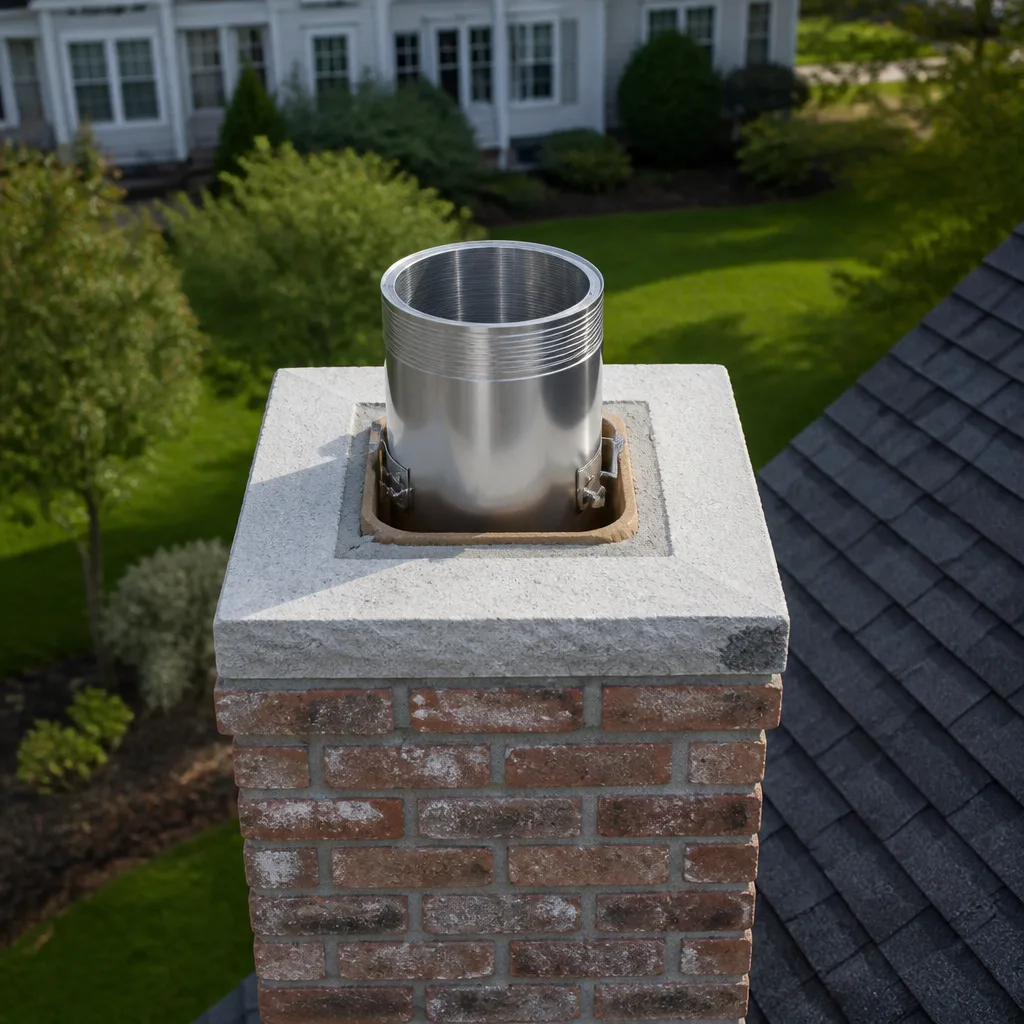
When we scope a chimney and find this kind of deterioration, the repair path doesn’t always mean full liner replacement. If the damage is localized, we can often resurface the flue with HeatShield ceramic repair technology, which restores the liner’s integrity without tearing out the old one. If the flue has multiple cracks or significant offset sections, a DuraFlex flexible liner may be the better solution. The key is finding the damage before it reaches the point where the chimney becomes unsafe to use at all.
Exterior Masonry Checks Specific to High Desert Conditions
Hesperia’s climate is uniquely hard on chimney masonry. Summer daytime temperatures routinely exceed 100 degrees, and winter nights can dip below freezing. That thermal cycling, combined with the region’s alkali-heavy soil and frequent high winds, creates a set of masonry problems you won’t find in coastal or valley communities. Here’s what to look for and what it means.
Efflorescence: The White Chalky Stains
Efflorescence looks like white powder or chalk staining on the face of your brick or stone chimney. It’s caused by water moving through the masonry and carrying dissolved mineral salts to the surface, where the water evaporates and leaves the salt behind. In Hesperia, the alkali content in our soil and water makes efflorescence especially common. It’s not structurally dangerous by itself, but it is a warning sign. Water is getting into your masonry somewhere, and over time, that trapped water will cause more serious problems, especially when it freezes and expands.
Spalling Cap Stones and Brick Faces
Spalling is the flaking, peeling, or crumbling of the brick or stone surface. It happens when trapped moisture freezes and expands, or when the masonry is repeatedly subjected to Hesperia’s extreme thermal cycles. Look for brick faces that have popped off, leaving a rough pitted surface, or for pieces of the chimney cap that appear to be breaking away. A spalling cap exposes the flue and the interior masonry to direct water intrusion. A spalling brick face weakens the structural integrity of the chimney. In earthquake-prone Southern California, weak chimneys are a real hazard.
Mortar Joint Recession
Mortar is the sacrificial component of masonry. It’s designed to degrade before the brick or stone does, and in Hesperia’s wind-driven, sand-heavy environment, mortar joints wear down faster than in other climates. Run your fingers along the mortar joints, where the mortar meets the brick. If the mortar line is recessed more than 1/4 inch below the brick face, or if you can pull small pieces of mortar out with your fingers, the joints need repointing. Left alone, the recession accelerates and the masonry loses its weatherproofing.
What These Checks Mean for Your Chimney
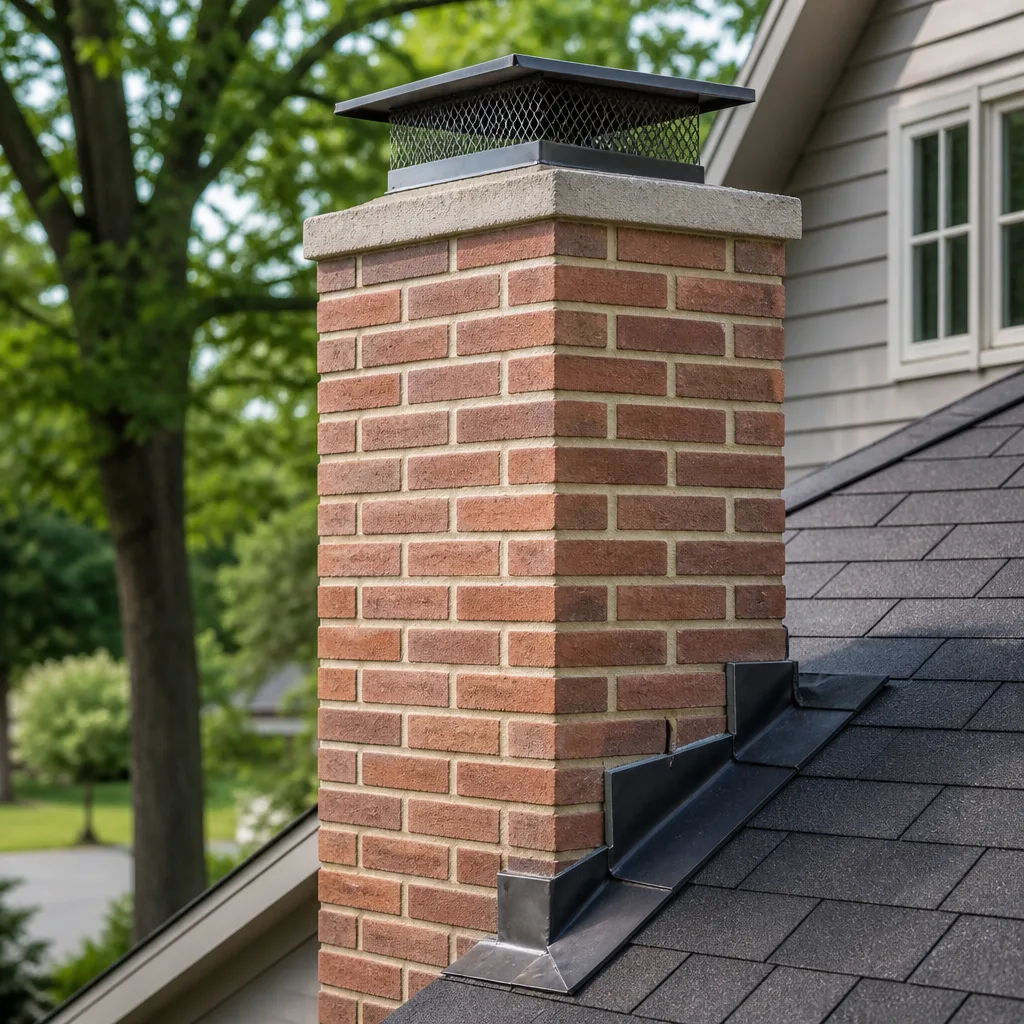
Efflorescence, spalling, and mortar recession are all signs that water is winning the fight against your chimney. The repair path depends on how far the damage has progressed. For earlier-stage efflorescence and minor mortar recession, repointing and re-sealing the masonry may be enough. For spalling caps and advanced deterioration, the cap may need to be rebuilt and the masonry sealed with a breathable waterproofing agent. In every case, the goal is to stop the water intrusion before it reaches the flue liner or the home’s interior framing. Once water gets into the wood structure around the chimney, the repair cost escalates quickly. This kind of masonry work is part of the Chimney Repair in Hesperia service we provide, so a single visit can address both the masonry and whatever is happening inside the flue.
How to Document Your Chimney Condition Annually
Most homeowners rely on memory when it comes to their chimney’s condition. That’s a problem because deterioration happens slowly, and small changes are easy to miss when you see the chimney every day. A simple annual documentation habit solves this. It gives you a baseline, so when a contractor scopes the flue and points out an issue, you have your own record to compare against. It also helps you catch problems earlier and have more informed conversations with any chimney professional you hire.
- Take photos from the same positions every year. Stand at the same spot in your yard and photograph the chimney from the front, the side if visible, and any angle where the masonry meets the roofline. Take the photos on the same month every year, ideally in the spring after winter has done its freeze-thaw damage. Use your phone’s timestamp and save the photos to a dedicated folder.
- Photograph the firebox and visible smoke chamber. Kneel at the hearth and take a clear photo looking up into the smoke chamber with the flash on. Do this before the season’s first cleaning and again after. Comparing year-over-year photos shows you how quickly creosote is accumulating in your particular fireplace.
- Keep a simple one-page log. Record the dates of every chimney sweeping, inspection, and repair. Note the brand of liner or repair material used if a repair was done. If you had HeatShield ceramic resurfacing or a DuraFlex liner installed, write that down. It matters when a different contractor looks at the chimney later. These products have specific installation requirements and warranties.
- Record how many fires you burn each season. A rough count is fine. Most Hesperia homeowners burn between 30 and 60 fires per season, and that number directly affects how often you need professional cleaning. If you’re burning more than 50 fires, you may need mid-season sweeping in addition to the pre-season and post-season appointments.
- Note any odors or performance changes, even small ones. If you notice a mild smoke smell in the room during a fire, or the fireplace seems to draw less efficiently than it did last year, write it down with the date. These small notes become valuable diagnostic information for a sweep who’s trying to figure out what changed.
This documentation habit costs about 15 minutes per year and gives you something valuable: a baseline. When a contractor tells you the liner was cracked, you can look back at your photos and see whether the crack was visible last year, which tells you how fast it developed. When a contractor quotes you a price for repointing, you can check your log and see when the mortar was last touched. Documentation is leverage, and it keeps you from being talked into work you may not need, or from skipping work you absolutely do.
Santa Ana Wind and Wildfire Smoke Protocol
Hesperia sits at the edge of the Cajon Pass, which funnels Santa Ana winds directly into the High Desert. When Santa Anas blow, they bring dry, fast-moving air and sometimes wildfire smoke from fires burning in the San Bernardino Mountains or the foothills. Both of these events create specific chimney maintenance obligations that many checklists miss.
After a Santa Ana Wind Event
Santa Ana winds regularly gust to 50, 60, and occasionally 70 miles per hour through Hesperia, especially along Summit Valley and the northern slopes of the San Bernardinos. Those winds can shift chimney caps, loosen flashing, and drive debris into the flue. After a major wind event, do a quick ground-level check of your chimney cap and flashing. Look for caps that appear tilted, flashing that’s pulled away from the roofline, or any new gaps between the chimney and the roof. If your cap has a spark arrestor screen, check whether it’s still properly seated. A shifted cap allows water to enter the flue and creates a pathway for embers during wildfire season.
After Nearby Wildfire Smoke Exposure
Wildfire smoke contains fine particulate matter, including ash, soot, and partially combusted organic material. If smoke from a fire in the San Bernardino National Forest or along the Cajon Pass drifts over Hesperia, some of that particulate settles inside your chimney flue. Even if you haven’t burned a fire in months, the chimney may have accumulated a layer of this wind-driven debris. If the exposure was significant, a professional chimney sweeping is the right call before you burn again. The combination of wildfire debris and your own creosote creates a compound fire risk inside the flue. Wildfire ash is also corrosive, accelerating wear on clay tile liners and metal components.
During active wildfire season, keep your damper closed and sealed whenever the fireplace is not in use. If your damper doesn’t seal tightly, smoke can enter the home even with the damper closed. In those situations, a top-sealing damper or a chimney cap with a damper may be worth considering. For help Choosing the Right Chimney Cleaning Brand: A Buyer’s Guide for Hesperia, we install caps and dampers from Olympia Chimney and Gelco, both of which are built to withstand Hesperia’s wind and heat conditions. These are contractor-grade components, not hardware-store versions that warp and rust within a season or two.
The Dryer Vent Fire Risk You Might Be Ignoring
While you’re thinking about your chimney, it’s worth thinking about the other fire-safety system in your home that most Hesperia homeowners neglect: the dryer vent. The U.S. Fire Administration identifies dryer vent fires as one of the leading causes of residential structure fires in the United States, and a clogged dryer vent is the primary cause. Lint accumulates in the vent pipe over time, restricts airflow, and eventually ignites from the heat of the dryer.
In Hesperia’s dusty, windy environment, dryer vent clogs happen faster than in many other regions. The same blowing dust that coats your patio furniture also finds its way into your dryer vent, mixing with lint to create a dense, flammable blockage. If your dryer takes longer than 40 minutes to dry a load, the vent exterior doesn’t open when the dryer is running, or you notice a burning smell when the dryer is on, the vent needs cleaning. These are the same warning signs sweeps look for in chimneys, applied to a different household system.
This is why Dryer Vent Cleaning in Hesperia is part of the same fire-safety picture as chimney sweeping. Both systems move heat and combustion byproducts out of your home, and both become fire hazards when they’re not maintained. We clean dryer vents with the same professional-grade approach we bring to chimney work. A single appointment can cover both systems, so you’re not coordinating between a chimney company and a separate dryer vent service. Home fire safety is one system, not two separate ones.
Common Mistakes to Avoid
- Skipping the end-of-season sweep. Many Hesperia homeowners think one pre-season sweeping is enough. It’s not. Creosote left in the flue over the summer corrodes the liner and creates a worse problem by the following October. A post-season sweep in March or April prevents summer creosote damage.
- Climbing onto the roof to inspect the chimney yourself. Hesperia’s tile roofs are steep, and falls from single-story homes are still serious. No homeowner should be on a roof without proper safety training and equipment. The four ground-level checks in this guide are the only DIY inspections that are safe. Everything above the roof line belongs with a certified sweep.
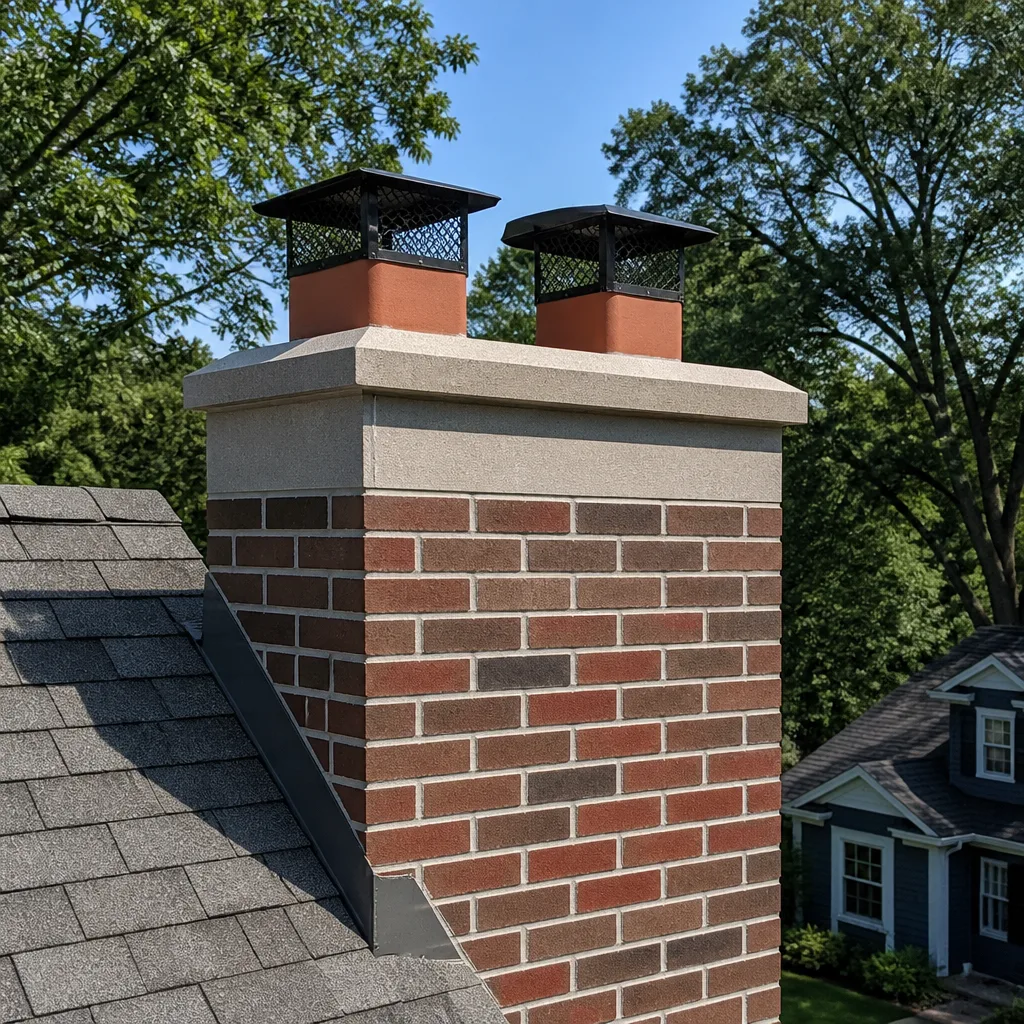
- Using a chimney cap purchased from a hardware store without professional installation. Cheap caps warp and rust quickly in Hesperia’s wind and heat. More importantly, a cap that doesn’t fit properly lets water in and blocks the draft. A professionally fitted cap sized for your specific flue is a small investment compared to the water damage a bad cap can cause.
- Ignoring efflorescence as a cosmetic issue. The white chalky marks on your chimney bricks are not a style feature. They’re evidence that water is penetrating your masonry. In Hesperia’s climate, that trapped water will eventually cause spalling, mortar breakdown, and potentially more serious structural damage. Treat efflorescence as an early warning sign and investigate the source of the water.
- Burning unseasoned wood. Wood that hasn’t been properly dried for at least six months creates significantly more creosote than seasoned wood. Hesperia has plenty of desert hardwood available, but only if it’s been properly dried. Freshly cut wood is heavy with moisture, burns cooler, and produces thick, tarry creosote that clings to the flue. Use seasoned wood and your chimney will need less frequent cleaning.
- Assuming gas fireplaces don’t need chimney maintenance. Gas inserts and gas logs still produce heat, combustion byproducts, and moisture. The flue still needs to be inspected, and the venting system still needs to be checked for cracks or blockages. Hesperia homeowners with gas fireplaces often go years without an inspection, which means when a problem does occur, it’s had years to develop.
- Hiring a sweep based on price alone. A discount sweep who runs a brush through the flue and leaves has never actually inspected the liner, the smoke chamber, or the chimney crown. You’re not paying for the brush. You’re paying for the inspection, the documentation, and the expertise to recognize when a chimney needs real repair, not just cleaning. A cheap sweep is the most expensive one if they miss a cracked liner that eventually lets fire reach your attic framing.
When to Call a Professional
Call a professional chimney sweep when you see any of these conditions: visible creosote buildup in the smoke chamber or on the damper plate, smoke entering the room during a fire, a strong odor from the fireplace when it’s not in use, cracked or spalling masonry on the exterior chimney, a chimney cap that’s shifted or missing, or any sign of water intrusion in the firebox. Also call after a chimney fire, even a small one, and after any significant wildfire smoke exposure in the Hesperia area. If your dryer vent shows the warning signs described above, that’s a separate call, and one that shouldn’t wait. For more guides & resources, visit our blog, or call Chimney Sweep Hesperia for free estimates in Hesperia and the surrounding High Desert at (855) 382-8016 and we’ll schedule a time to take a look. One call covers cleaning, repair, and venting, so you’re not juggling multiple contractors.
Frequently Asked Questions
Chimney sweeping in Hesperia typically costs between $150 and $300 depending on the level of inspection needed, the flue size, and the amount of creosote accumulation. A sweep that includes a full camera inspection will be at the higher end of that range. Call (855) 382-8016 for a free estimate specific to your chimney’s condition and our current pricing.
The National Fire Protection Association recommends sweeping whenever creosote buildup reaches 1/8 inch, which for most Hesperia homeowners means once per year if you burn wood regularly. Homeowners who burn more than 50 fires per season or who burn unseasoned wood may need twice-yearly sweeping. Gas fireplaces should be inspected annually even if they don’t require the same level of creosote removal.
You can perform the four ground-level checks described in this guide: the firebox floor, the damper plate, the visible smoke chamber walls, and the exterior masonry from ground level. You should not attempt to clean the flue yourself. Professional sweeping requires specialized brushes, vacuums, and safety equipment, and a proper sweep includes a camera inspection of the flue liner that a DIY cleaning cannot replicate. A homeowner brushing the flue from the roof is also at significant risk of a fall, and a thorough cleaning from inside the house will never reach the upper flue.
Not necessarily. If the cracking is localized, HeatShield ceramic resurfacing can restore the liner’s integrity without a full replacement. If the flue has extensive damage or an offset configuration that makes resurfacing difficult, a DuraFlex flexible liner may be the right solution. The only way to know is a camera scope of the flue. We don’t recommend liner work without showing you the camera footage so you can see the damage yourself, and we’ll tell you plainly when the liner can safely wait and when it can’t.
Creosote continues to accumulate in the flue until it either reduces the draft enough to push smoke and carbon monoxide into the home, or ignites and becomes a chimney fire. Chimney fires burn hot enough to crack clay tile liners and spread to the home’s framing. Even a chimney fire that stays contained often damages the liner severely enough to require full replacement. Skipping sweeping also allows moisture and creosote to interact over the summer months, which creates acidic conditions that corrode the liner even when the fireplace is unused. The cost of annual sweeping is a fraction of the cost of liner replacement or fire damage repair.
Yes, and in Hesperia’s dusty and windy environment, it may be necessary more often than in other regions. The U.S. Fire Administration identifies dryer vent fires as one of the leading causes of residential structure fires, and the primary cause is lint accumulation. In Hesperia, windblown dust and dry air accelerate lint compaction. If your dryer takes longer than 40 minutes per load or the exterior vent doesn’t open when the dryer runs, call (855) 382-8016 and we’ll schedule a cleaning.
The Bottom Line
A chimney maintenance checklist for Hesperia has to be built around the High Desert’s unique conditions: two fire seasons, extreme thermal cycling, wind-driven debris, and alkali soil. The homeowner’s job is to perform four safe monthly checks, document the chimney’s condition annually, and call a certified sweep for the work that requires professional equipment and training. The sweep’s job is to clean the flue thoroughly, inspect the liner with a camera, and repair the damage they find. When you combine those two responsibilities, you get a fireplace that works safely through the winter and a chimney that survives the Hesperia summer. That’s the whole system. The Chimney Sweep Hesperia home page is the starting point for the services this guide references, and we’re available at (855) 382-8016 for any homeowner who wants a professional assessment of their system.
Written by the team at Chimney Sweep Hesperia, serving Hesperia since 2014.
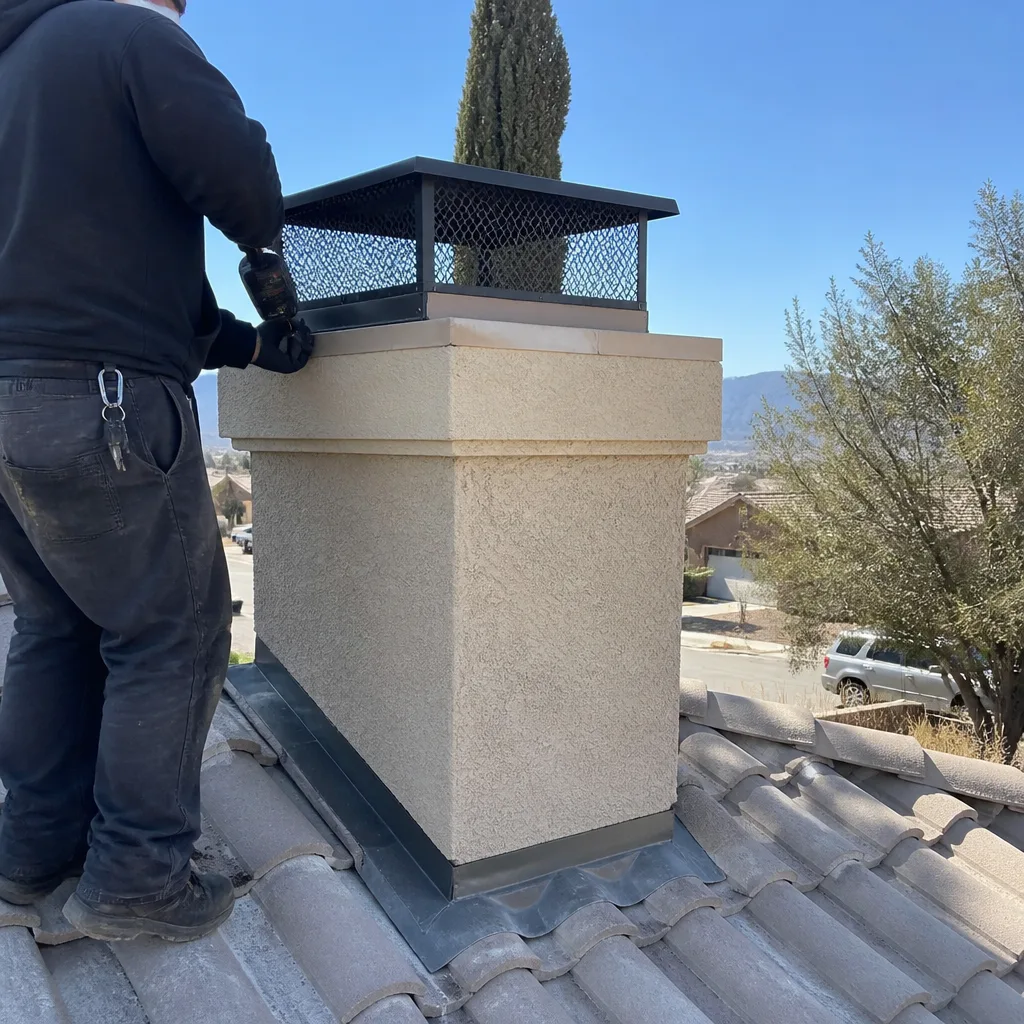
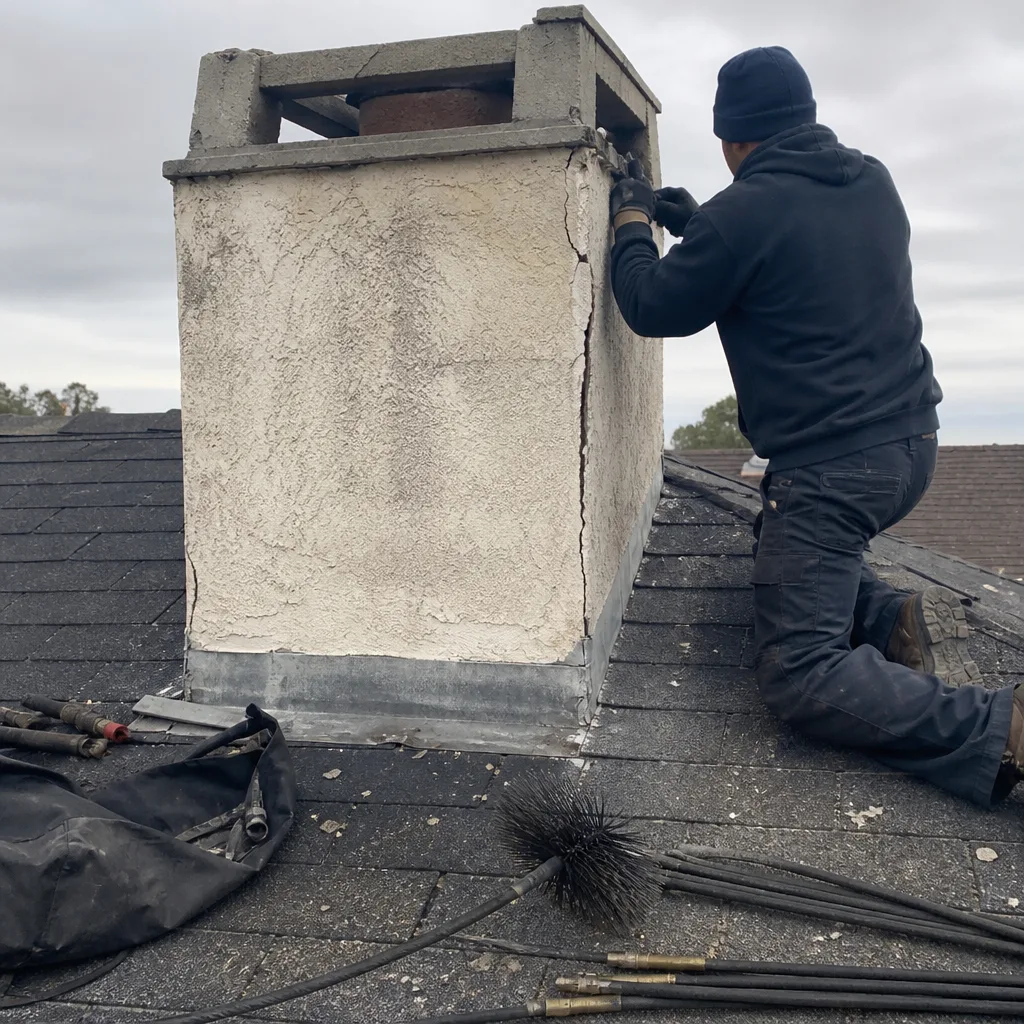
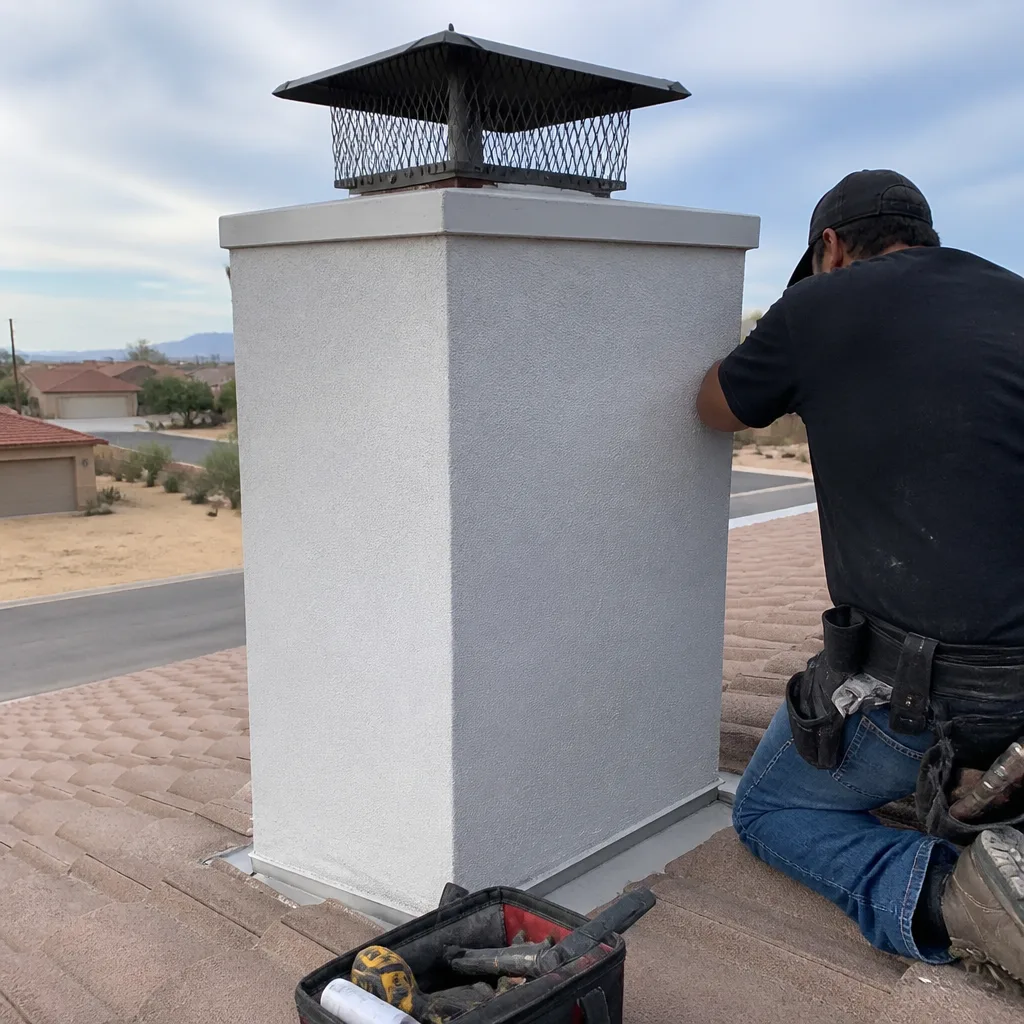
See the difference
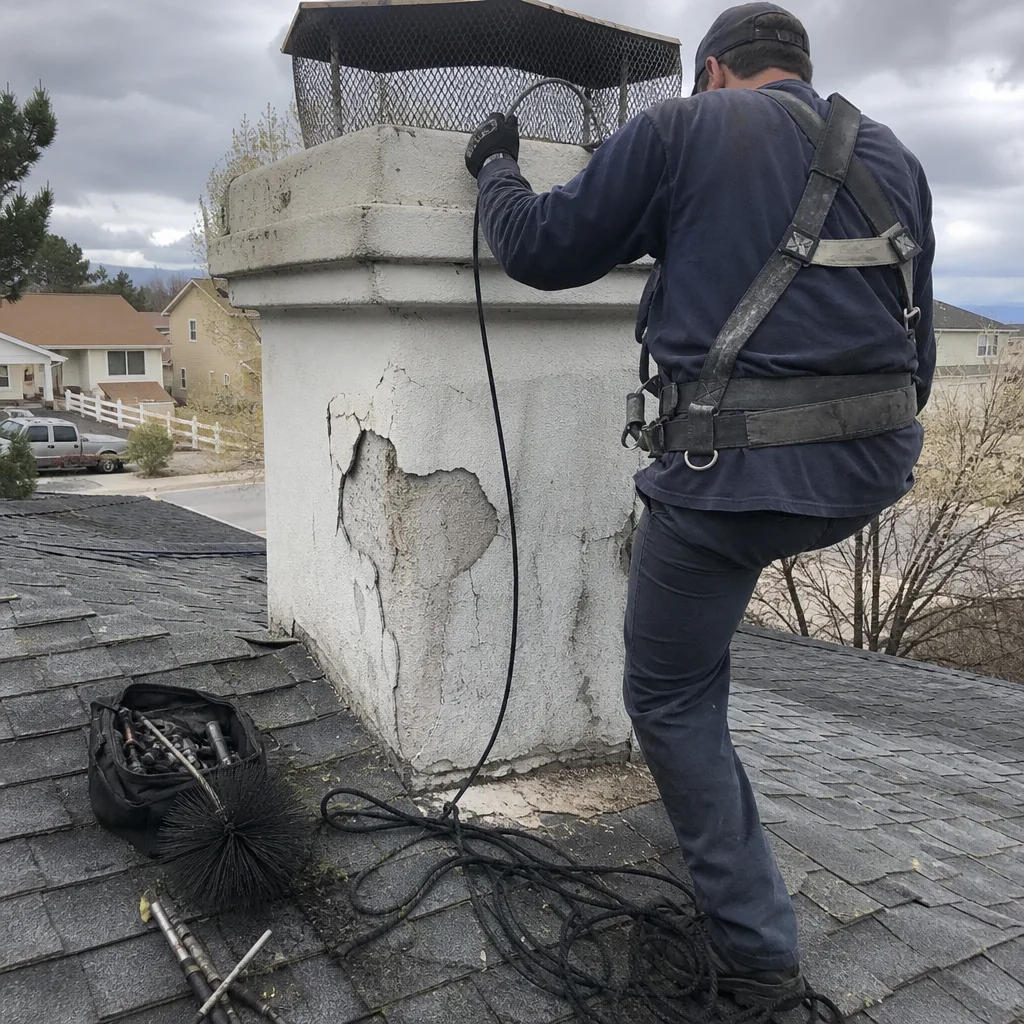 Before
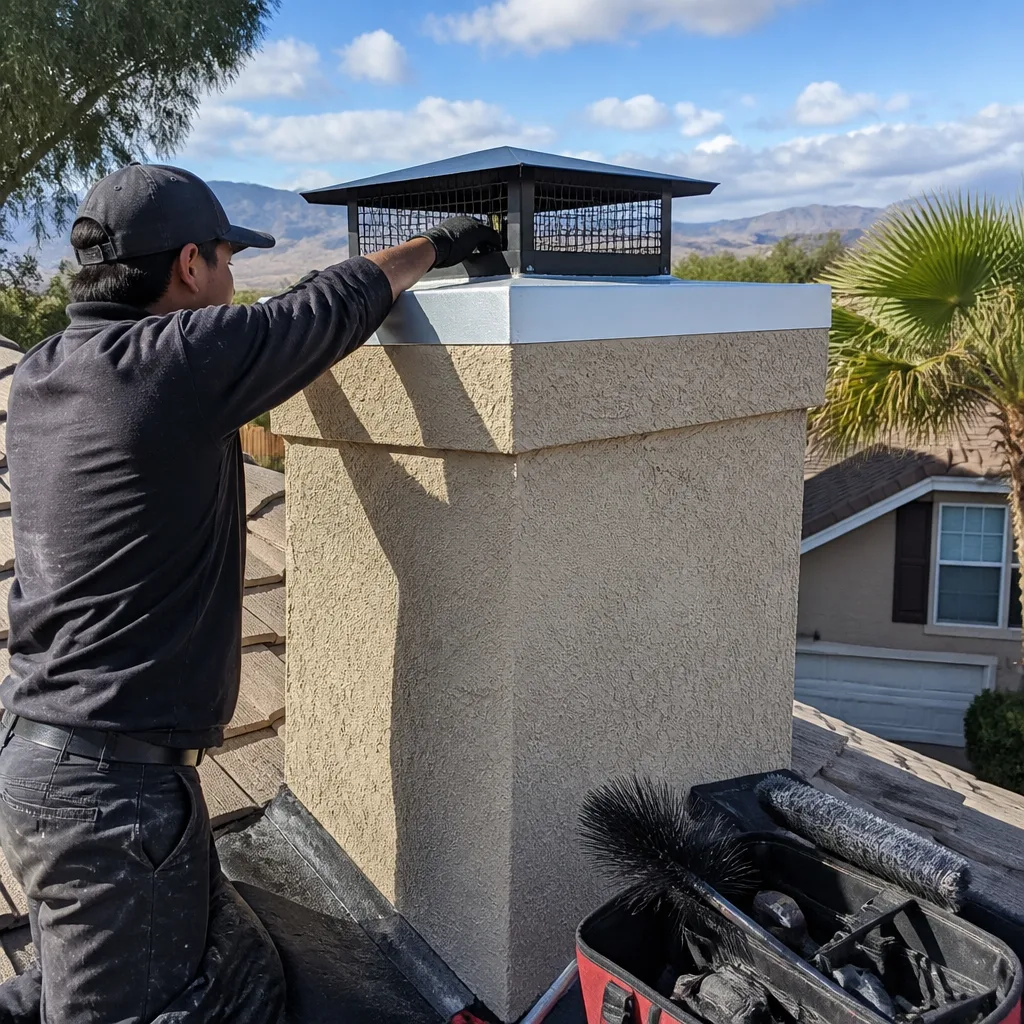 After
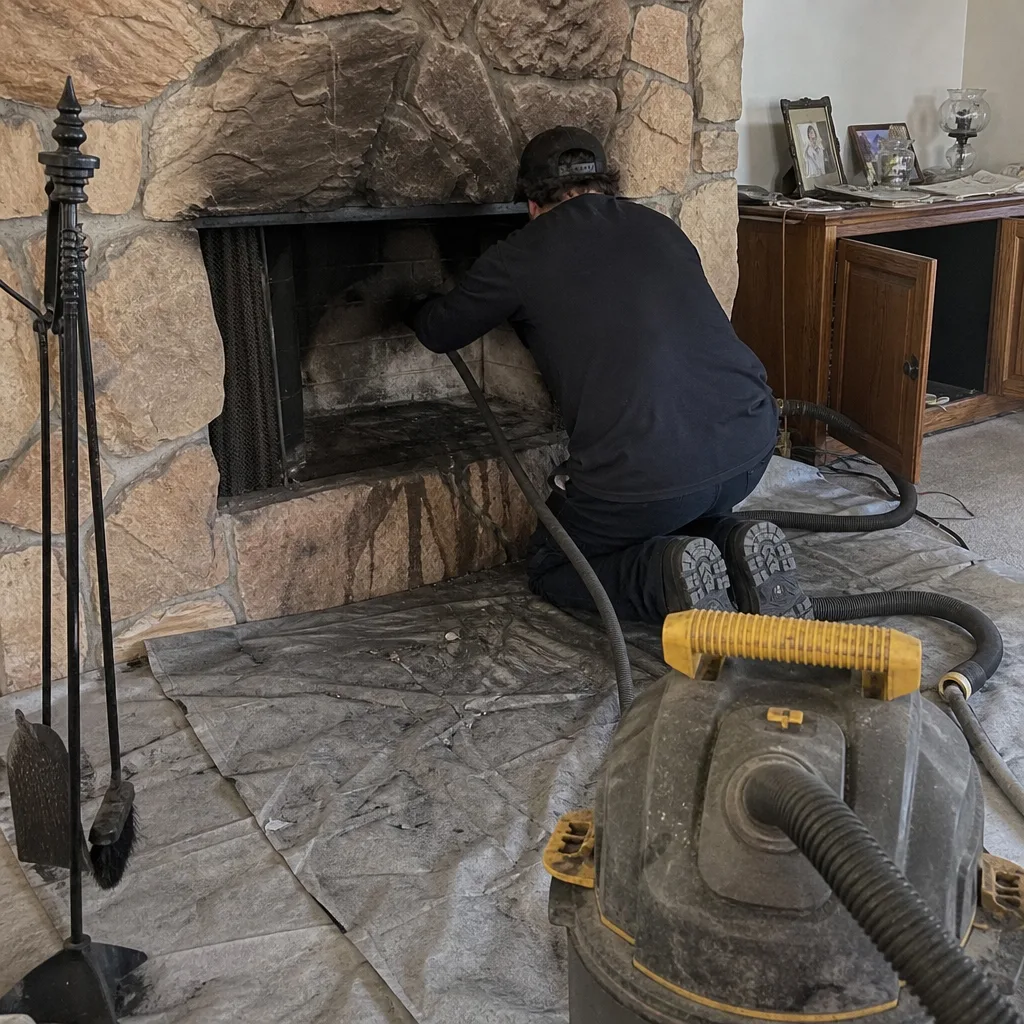 Before
 After
 Before
 After