
Last updated November 2, 2026
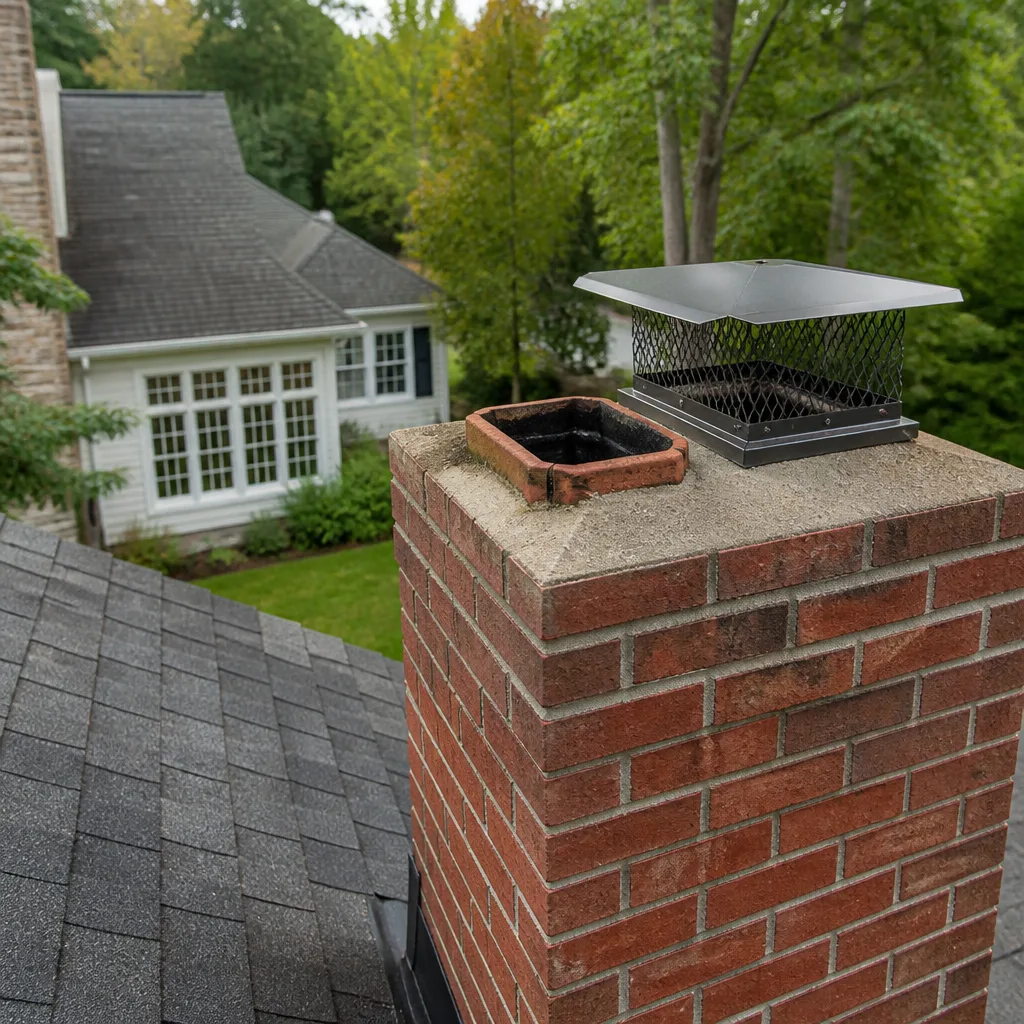 Sweep & inspection
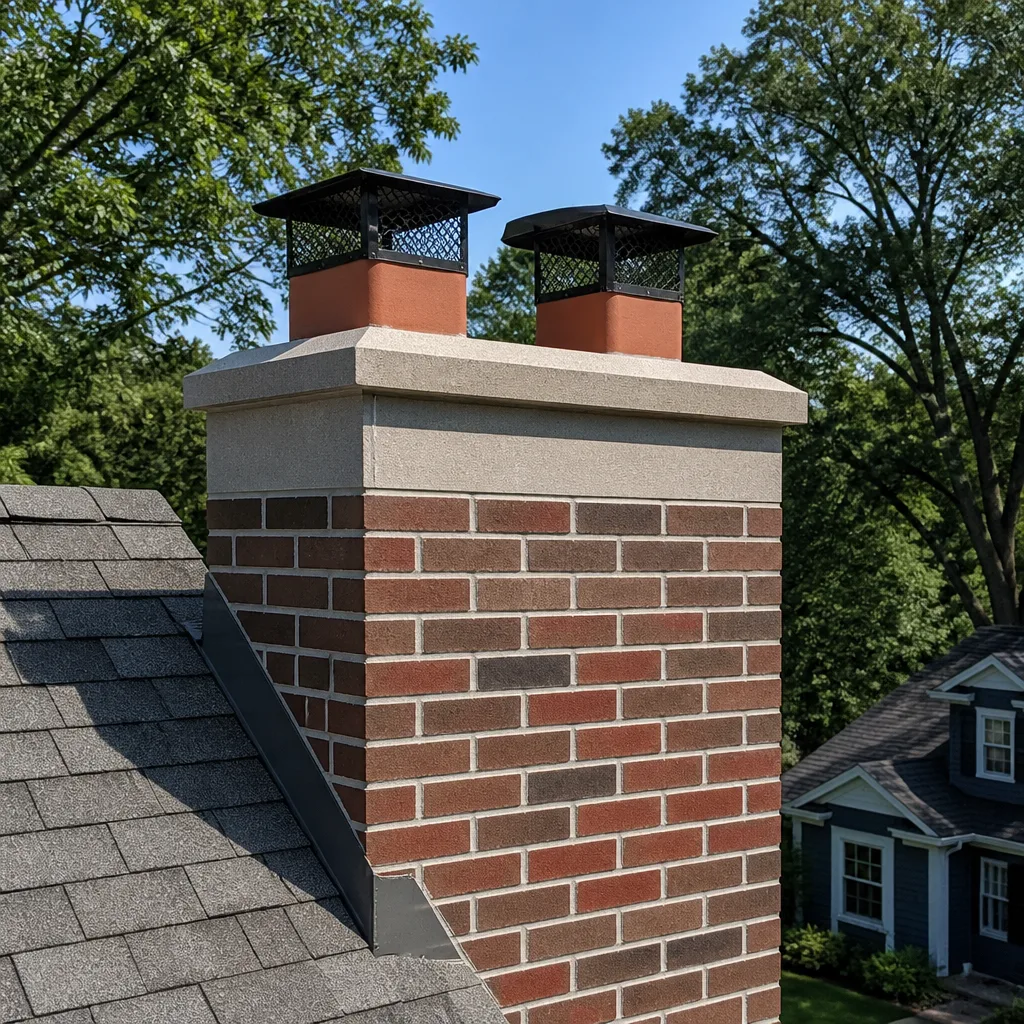 Caps & crowns
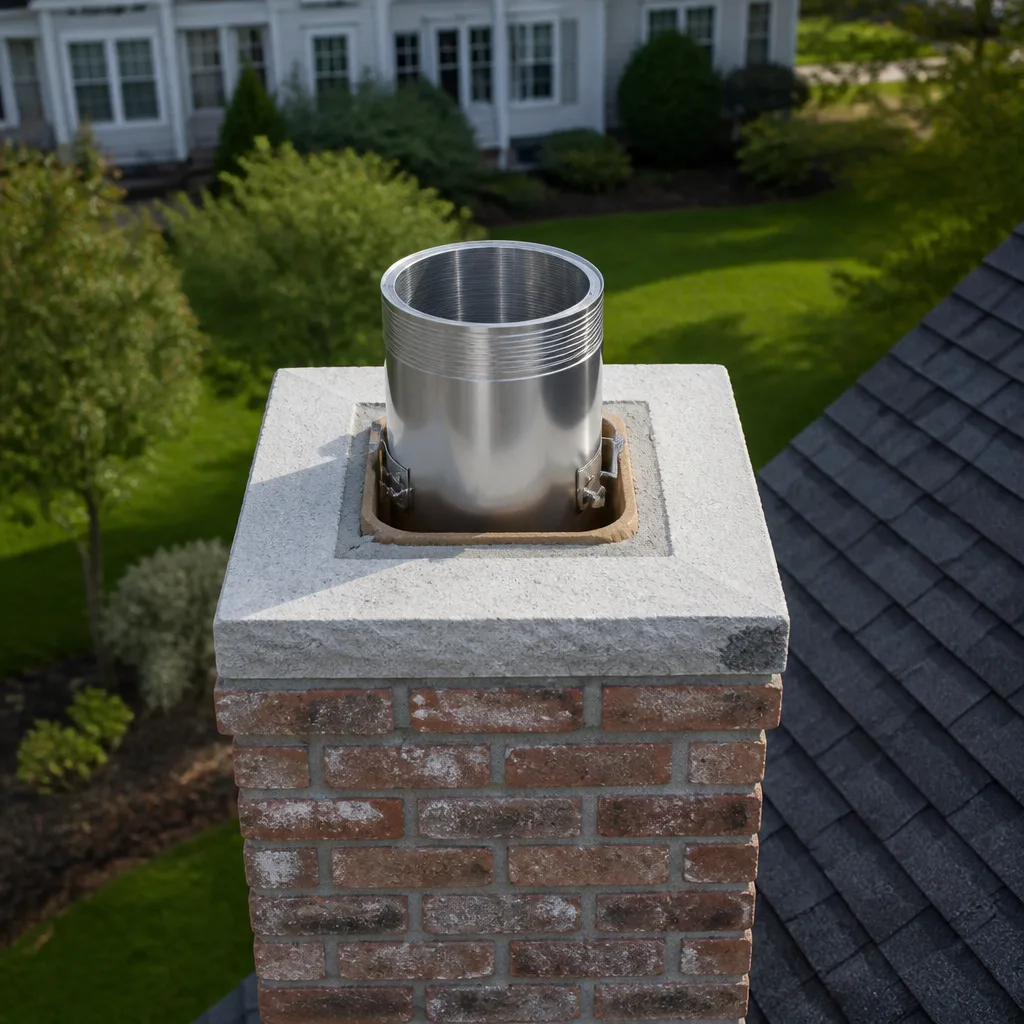 Flue relining
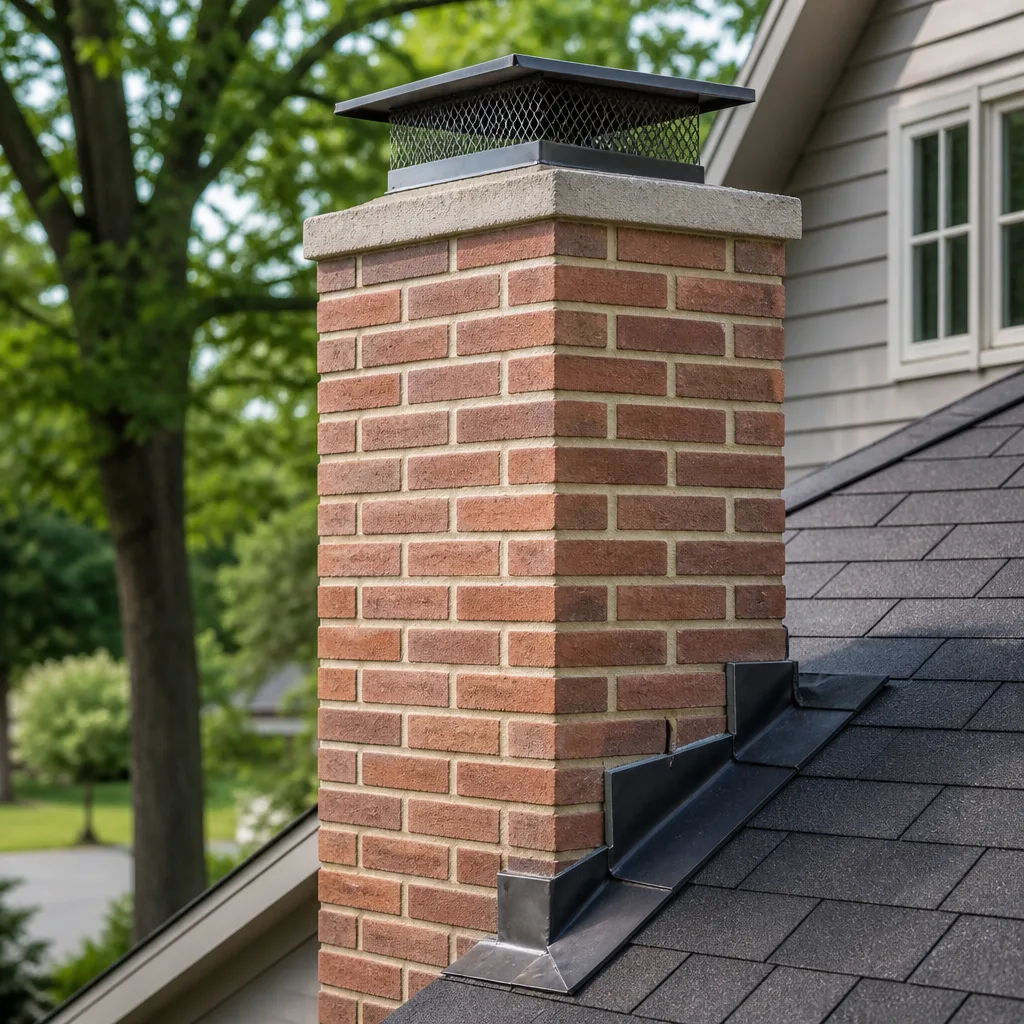 Masonry repair
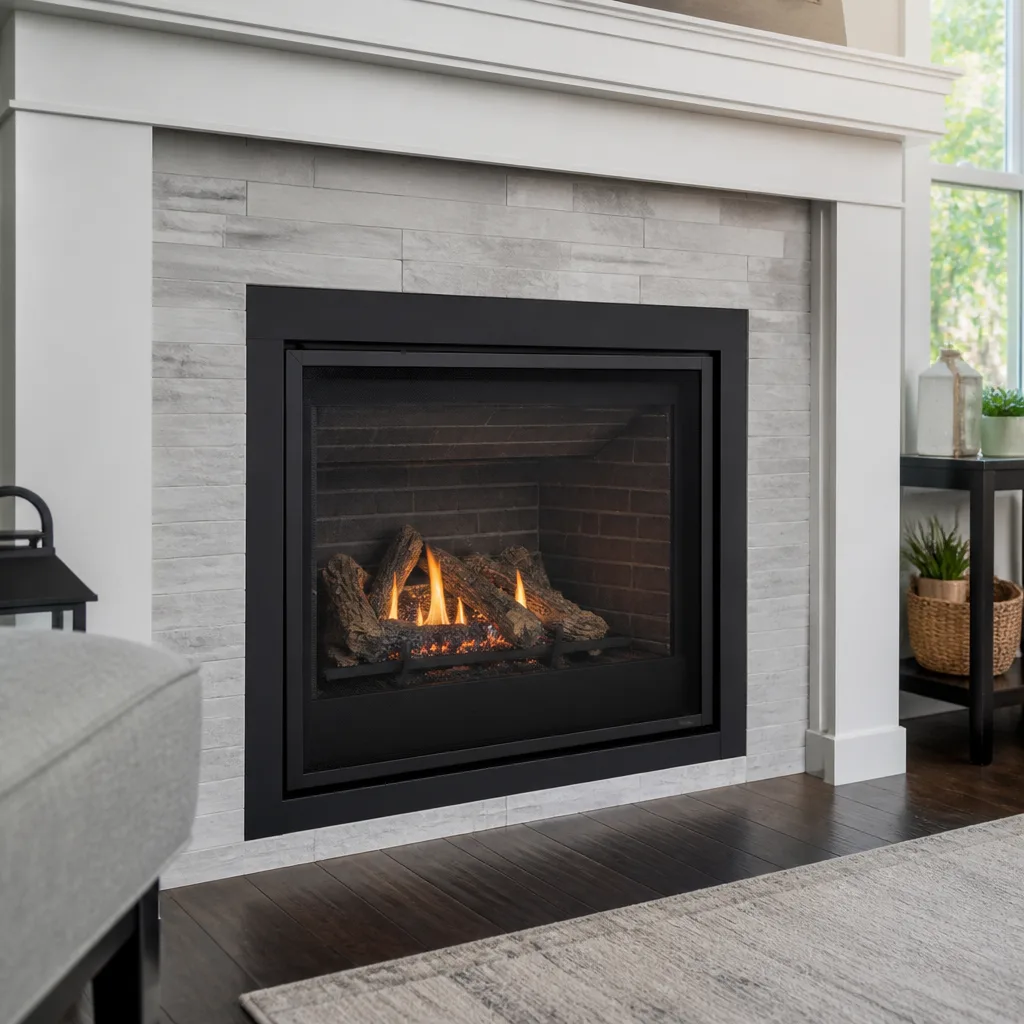 Gas fireplace service
Level 1 sweep and inspection to the NFPA 211 annual standard - flue, crown, cap, and flashing checked and photographed
Chimney sweep logs do not sweep chimneys. They loosen some creosote - which then falls where a brush and vacuum still have to collect it.
Chimney Sweep Troubleshooting: Common Problems and How to Fix Them
Smoke backing into your living room is not always a draft problem. Sometimes it’s a combustion air problem caused by a too-tight house, and sweeping the flue won’t touch it. In Hesperia, where winter nights dip into the 30s and summer heat pushes homeowners to seal every gap they can find, we see this exact scenario every season. This guide walks you through the symptom-to-cause chain for the most common chimney complaints, so you can figure out what’s actually wrong before spending money on a fix that won’t work.
Styles & brands we work with
- Sweep & inspection
- Caps & crowns
- Flue relining
- Masonry repair
- Gas fireplace service
Quick Answer
Most chimney problems fall into five categories: smoke entry, odor, poor draft, visible deterioration, and animal intrusion. Each has a mechanical root cause that a trained eye can identify before any cleaning begins. A chimney sweep in Hesperia should diagnose the specific cause, not just run a brush through and hope for the best.
Table of Contents
- The Five Smoke-Entry Scenarios (And Which One You Have)
- Damper Failure vs. Throat Seal Failure: They Feel Identical
- The Phantom Smell: Creosote, Water, or Wildlife
- Why a Fireplace That Worked Last Year Won’t Draw This Year
- 5 Homeowner Checks to Run Before Calling a Sweep
- Liner Damage: When Cleaning Isn’t Enough
- Your Dryer Vent Is a Chimney Too
- Common Mistakes to Avoid
- When to Call a Professional
- Frequently Asked Questions
- The Bottom Line
The Five Smoke-Entry Scenarios (And Which One You Have)
Smoke coming into the house is the most alarming chimney symptom, and it’s also the one homeowners most often misdiagnose. Here’s what’s actually happening in each scenario. Knowing which one you’re dealing with determines whether you need a sweep, a repair, or just an open window.
- Flue obstruction. A bird nest, squirrel hoard, collapsed masonry, or years of creosote buildup physically blocks the flue. Smoke has nowhere to go but back down. This is the classic “it worked fine last winter” scenario. The fix is a professional sweep and an inspection to confirm clear passage.
- Negative house pressure. Here’s the counterintuitive one. If your house is sealed tight, newer double-pane windows, weatherstripping, spray-foam attic insulation, a gas furnace drawing combustion air, then your fireplace becomes the fresh-air intake for the house. Smoke gets pulled down the chimney because the house is literally sucking air in through the only available opening. A sweep won’t fix this. You need a make-up air source or a direct outside air kit. This is common in Hesperia homes that have been weatherized or had efficiency upgrades.
- Cold flue / thermal blockage. A cold, uninsulated chimney on a cold morning has a plug of dense air in it. The hot smoke can’t push through it. You get one puff of smoke into the room, then it catches. The fix is priming the flue, holding a rolled newspaper torch near the damper for 60 seconds before lighting the main fire.
- Competing vents. A bathroom fan, range hood, or gas water heater venting into the same general space pulls air away from the fireplace. If your kitchen exhaust is running and the fire smokes, turn it off and see if the problem stops.
- Improper grate or fuel placement. Firewood stacked too high, or a grate pushed too far forward, puts smoke outside the flue’s draw zone. This is the easiest fix and the one people skip because it feels too basic.
In our experience, about half of “mysterious smoke” calls in Hesperia turn out to be scenario two or three, which is exactly why a proper diagnostic matters more than a quick brushing. A Chimney Sweep in Hesperia who only cleans will miss these, and you’ll still have smoke the next night.
Damper Failure vs. Throat Seal Failure: They Feel Identical
You close the damper, but you still feel a draft. Or you smell smoke when the fireplace is cold. Or the damper won’t budge at all. Homeowners can’t tell the difference between a bad damper and a bad throat seal, and honestly, neither can most handymen. But the repair paths are completely different, and paying for the wrong one is wasted money.
A damper failure means the metal flap or cast-iron plate that opens and closes won’t seat properly. Causes: warped metal from years of heat cycling, rusted hinges, or the control lever (the handle) has detached from the damper plate inside. You might see a gap around the edges, or feel the lever spinning without resistance. Fix: replace the damper assembly, or install a top-sealing damper at the crown of the chimney, which actually works better than the traditional throat damper because it seals at the top where cold air enters.
A throat seal failure means the damper itself works, but the area around the damper frame, called the throat, has deteriorated. The mortar joint or gasket material around the damper frame has cracked or fallen out. Air bypasses around the damper frame, not through it. This feels identical to the homeowner: a cold draft that won’t go away. The fix is re-sealing the throat, not replacing the damper. A technician who replaces the damper without checking the throat has just charged you for a repair that won’t stop the draft.
The way to tell them apart: with the damper closed, shine a flashlight up from inside the fireplace. If you see light around the perimeter of the damper plate itself, it’s the damper. If you see light around the frame where it meets the masonry, it’s the throat seal. Simple check, saves you hundreds.
This is the kind of diagnosis that separates a full-service Chimney Repair in Hesperia provider from a sweep-and-dash operation. When we inspect a fireplace, we check both before recommending any work.
The Phantom Smell: Creosote, Water, or Wildlife
You smell something like campfire, or worse, something sour or animal, but you haven’t had a fire in weeks. This “phantom smell” has three distinct causes, and each requires a different response. Confirming which one you have is straightforward.
Off-gassing creosote. Creosote is the tar-like residue from burning wood. It absorbs into the porous masonry and, when humidity rises or the house warms up, it releases that smell. This is strongest on humid mornings or when the sun hits the chimney. The fix is simple in concept: a thorough sweep removes the creosote source. In practice, the chimney may need a chemical treatment or a resealing of the flue surface if the creosote has soaked deep into the masonry. For more on this, see The Complete Chimney Sweep Guide for Hesperia Homeowners. We use HeatShield ceramic resurfacing for this exact situation, it seals the entire flue surface, locking in absorbed odors and preventing re-absorption.
Water intrusion. Water entering the chimney mixes with creosote and soot, producing a musty, acrid smell. This usually points to a failed chimney cap, cracked crown, or damaged flashing. If the smell gets worse after rain, this is likely your issue. The fix is identifying and sealing the water entry point, not just masking the odor.
Wildlife. A bird, squirrel, or raccoon in the chimney brings nesting material, droppings, and eventually decomposition. This smell is distinct, organic and foul rather than smoky. It often comes with sound: scratching, chirping, or flapping. The fix is removal (during non-nesting season for birds, which are protected), followed by a proper chimney cap install to prevent recurrence. Brands like Copperfield and Gelco make caps we install regularly. Need help deciding? Read Choosing the Right Chimney Cleaning Brand: A Buyer’s Guide for Hesperia.
Run a quick confirmation: open the damper slightly and sniff directly at the opening. Does the smell intensify? If yes, it’s inside the flue. Then note whether it worsens after rain (water) or comes with sounds (wildlife). That gives your sweep a head start before they arrive.
Why a Fireplace That Worked Last Year Won’t Draw This Year
This is one of the most confusing scenarios, and the answer often has nothing to do with the chimney itself. A fireplace that drew perfectly last winter suddenly smokes, back-puffs, or won’t stay lit. The homeowner assumes chimney damage. Often, it’s something you changed in the house without realizing it affected the fireplace.
You weatherized. New windows, new doors, added weatherstripping, or fresh attic insulation all reduce the air leakage that your old, drafty house relied on. Your fireplace was getting its combustion air from those leaks. Now it can’t. The house is negative-pressured whenever the fire burns. Fix options: crack a window near the fireplace when burning, add a direct outside air intake to the firebox, or upgrade to a sealed gas insert that draws its own combustion air.
You added a bathroom fan or a bigger range hood. Modern range hoods move 400 to 600 cubic feet per minute. That’s a lot of air leaving the house. When it’s running, the fireplace can’t win the pressure battle. Run the test: turn off every exhaust fan and see if the fireplace draws again.
A nest or blockage happened over the off-season. Birds build nests in exposed flues all spring and summer. A flue that was clean in March can be fully blocked by November with a squirrel hoard or starling nest. If you don’t have a chimney cap, this is a predictable annual problem in Hesperia, which sits in a migratory bird corridor.
The damper warped. Metal dampers sit closed for months, exposed to moisture and temperature swings. They can seize, rust, or warp slightly even without use. If the damper won’t fully open, the fireplace won’t fully draw.
Before you assume the worst, run through the checks in the next section and call a Chimney Sweep Hesperia home professional if the problem persists. Diagnosing the root cause beats replacing parts on a guess.
5 Homeowner Checks to Run Before Calling a Sweep
You can save yourself a service call by gathering useful data first. Walk through these five checks. Write down what you find. When you call, this information helps the technician bring the right tools and parts on the first trip.
- The window test. Open a window near the fireplace about two inches. Start a small fire. Does it draw better? If yes, your house is negative-pressured and the fix is combustion air, not chimney repair. If no change, continue below.
- The flashlight check. With the damper open, shine a bright flashlight up from inside the firebox. Can you see the top of the flue? If you can’t see daylight, there’s an obstruction or a closed top damper. This confirms a blockage without any climbing.
- The hand test. On a cold day, with the fireplace cold, put your hand inside the firebox, above the damper. Feel a strong cold draft? That’s normal draw, your flue is open. Feel nothing? The flue may be blocked or the damper isn’t opening fully.
- The visual inspection. Look at the exterior chimney from the ground. Cracked brick, missing mortar joints, white staining (efflorescence), or a missing rain cap are all visible without a ladder. Also check the flashing where the chimney meets the roof.
- The odor log. Note when the smell happens: after rain, during humid weather, only when the furnace runs, or all the time. Each pattern points to a different cause. Write down dates and conditions.
These checks take fifteen minutes and give you real data. They also help you spot a contractor who is guessing versus one who is diagnosing. A professional should match your observations to a specific cause, not just recommend “a good cleaning.”
Liner Damage: When Cleaning Isn’t Enough
Sometimes the chimney isn’t dirty, it’s damaged. The flue liner is the protective barrier inside the chimney that contains heat and combustion gases. When it fails, you have a fire safety problem that no amount of sweeping will correct.
Common liner failure modes:
- Cracked clay tiles: older masonry chimneys in Hesperia are typically built with terra cotta clay tiles stacked inside. Heat cycles crack them. Once cracked, heat can reach the surrounding masonry, and eventually framing.
- Spalling or flaking: water-damaged liners shed layers, reducing flue diameter and creating blockages.
- Missing or shifted sections: settlement or seismic movement can offset sections, creating gaps.
- Corroded metal liners: gas appliance flues with unlined or older metal connectors can corrode through, venting carbon monoxide into walls.
The fix depends on severity. Minor internal damage can be restored with HeatShield ceramic resurfacing, which applies a new ceramified surface inside the existing flue without tearing out the old liner. This approach saves thousands compared to full replacement and is an option most Hesperia-area companies don’t offer because they don’t stock the material. When a flue is beyond resurfacing, we install DuraFlex flexible stainless steel liners, which work for both straight and offset flue configurations. DuraFlex is the liner spec we use for most reline jobs because it’s engineered for real-world installs, not demo displays.
Chimney Repair in Hesperia is something to take care of before burning season, not after a problem shows up mid-winter. Liner work is not DIY-able. It requires proper sizing, material selection, and installation that meets code.
Your Dryer Vent Is a Chimney Too
While we’re on the subject of flues and fire safety, the dryer vent is the chimney you use every week without thinking about it. According to the U.S. Fire Administration, dryer vent fires are one of the leading causes of residential structure fires. Lint is basically the creosote of the laundry room: a flammable byproduct that accumulates in the exhaust path until it becomes a fire hazard or a performance problem.
Signs your dryer vent needs professional cleaning:
- Clothes take more than one cycle to dry, especially heavy items like towels and jeans.
- The dryer exterior gets unusually hot during a normal cycle.
- You can smell burnt lint or a musty odor near the dryer.
- The vent flap on the exterior of the house doesn’t open when the dryer runs.
- It’s been more than a year since the vent was last cleaned.
This isn’t a side service we tack on. Dryer Vent Cleaning in Hesperia is a core part of what we do, because the fire-safety math doesn’t care whether the flue is above the fireplace or behind the laundry room. The same discipline applies: remove the combustible buildup, verify the vent path is clear, and confirm the termination point is properly capped and screened.
If your chimney is due for a sweep and you can’t remember the last time the dryer vent was touched, address both in the same visit. One call covers cleaning, repair, and venting.
Common Mistakes to Avoid
These are the missteps we see most often. Each one costs time or money, and most are entirely avoidable.
- Sweeping a chimney that’s actually air-starved. If negative house pressure is the problem, a sweep does nothing. Run the window test first.
- Ignoring a small crack in mortar or brick. Water gets in, freezes, and expands. A $40 tuckpointing job becomes a $2,000 crown rebuild. Hesperia’s freeze-thaw cycle, mild as it is, still cracks wet masonry.
- Burning pine or unseasoned wood because it’s cheap. Resinous, wet wood creates creosote at a much faster rate. Use hardwoods, split and stacked for at least six months, ideally a year.
- Installing a chimney cap without checking the flue size. The wrong cap restricts draft or creates turbulence. It’s not a universal fit part.
- Calling a handyman for liner work. Flue liners are safety components. Incorrect sizing, material substitution, or improper sealing creates a carbon monoxide risk. This is a job for someone who works with DuraFlex and HeatShield, not a generalist with a hardware-store part.
- Ignoring the carbon monoxide detector. Replace the batteries when you change your clocks. If it alarms and your fireplace or furnace is running, evacuate and call the fire department, then a professional.
- Waiting until fall to book a sweep. Hesperia sweep schedules fill up by October. Book in late summer and you’ll have full choice of appointment times.
When to Call a Professional
Call a professional when you have confirmed smoke entry that opening a window doesn’t fix, a persistent odor that you can’t trace, visible masonry cracking or efflorescence, an animal you can hear or smell but can’t see, or a liner that has never been inspected by camera. Also call if it’s been more than two years since your last sweep and you burn regularly. Chimney Sweep Hesperia offers free estimates in Hesperia, call (855) 382-8016. If you smell gas or your carbon monoxide detector alarms, evacuate immediately and call 911 before calling us. Safety first, every time.
Frequently Asked Questions
A standard chimney sweep in Hesperia typically runs between $150 and $300 depending on the fireplace type, flue condition, and whether you add a camera inspection. We provide exact quotes before starting work, call (855) 382-8016. Prices listed reflect the local market and can vary with accessibility and additional services.
A liner replacement should always be backed by camera evidence. If a technician recommends a liner without showing you video or photos of the damage, get a second opinion. We don’t recommend liner work unless the camera shows cracks, gaps, spalling, or corrosion that compromise safety. HeatShield resurfacing can resolve cases that don’t require full replacement.
The National Fire Protection Association recommends an annual inspection and sweeping as needed, based on accumulation. If you burn more than a cord of wood per season, sweep every year. If you burn occasionally, every two years may be sufficient. Gas fireplaces still need annual inspection for venting integrity, even though they don’t produce creosote.
Creosote builds up to a combustible thickness. One hot fire, a spark, or a chimney fire can ignite it. Chimney fires burn extremely hot and fast, sometimes cracking the flue liner or spreading to the roof structure. The U.S. Fire Administration attributes thousands of residential fires annually to dirty chimneys. It’s a cheap prevention against an expensive loss.
You can run a brush from the roof or through the firebox, but you cannot inspect the flue the way a professional can. Without a camera, you’re guessing at liner condition, clearances, and hidden damage. DIY cleaning also exposes you to roof fall risk and creosote contact. For the inspection value alone, a professional sweep earns its cost.
Yes. Gas fireplaces produce water vapor and acidic combustion byproducts that can corrode liners and create carbon monoxide leaks. A gas vent should be inspected annually, even if it doesn’t need brushing. In Hesperia, gas inserts are common and often neglected because they look clean.
The Bottom Line
Most chimney problems have a specific mechanical cause, and identifying that cause before you pay for a fix is the difference between a one-and-done repair and a recurring headache. Smoke entry, phantom odors, draft loss, and liner damage each have distinct diagnostic paths. A proper inspection with camera evidence, the right repair materials like HeatShield and DuraFlex, and a technician who can both diagnose and fix in one visit is what a homeowner should expect from a professional sweep. Keep your chimney and dryer vent clean, cap the flue, burn dry hardwood, and call before burning season fills the schedule. For more guides & resources, visit our blog.
Written by the team at Chimney Sweep Hesperia, serving Hesperia since 2014.
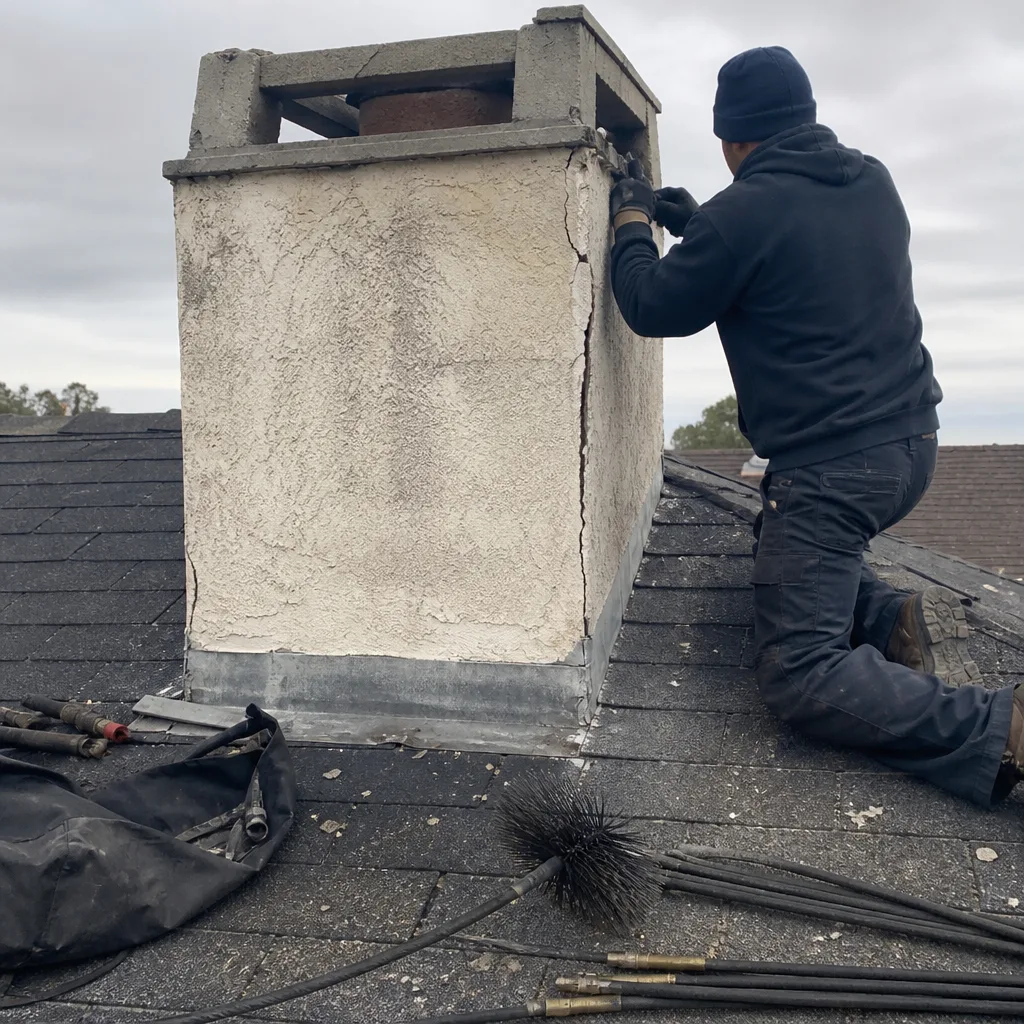
See the difference
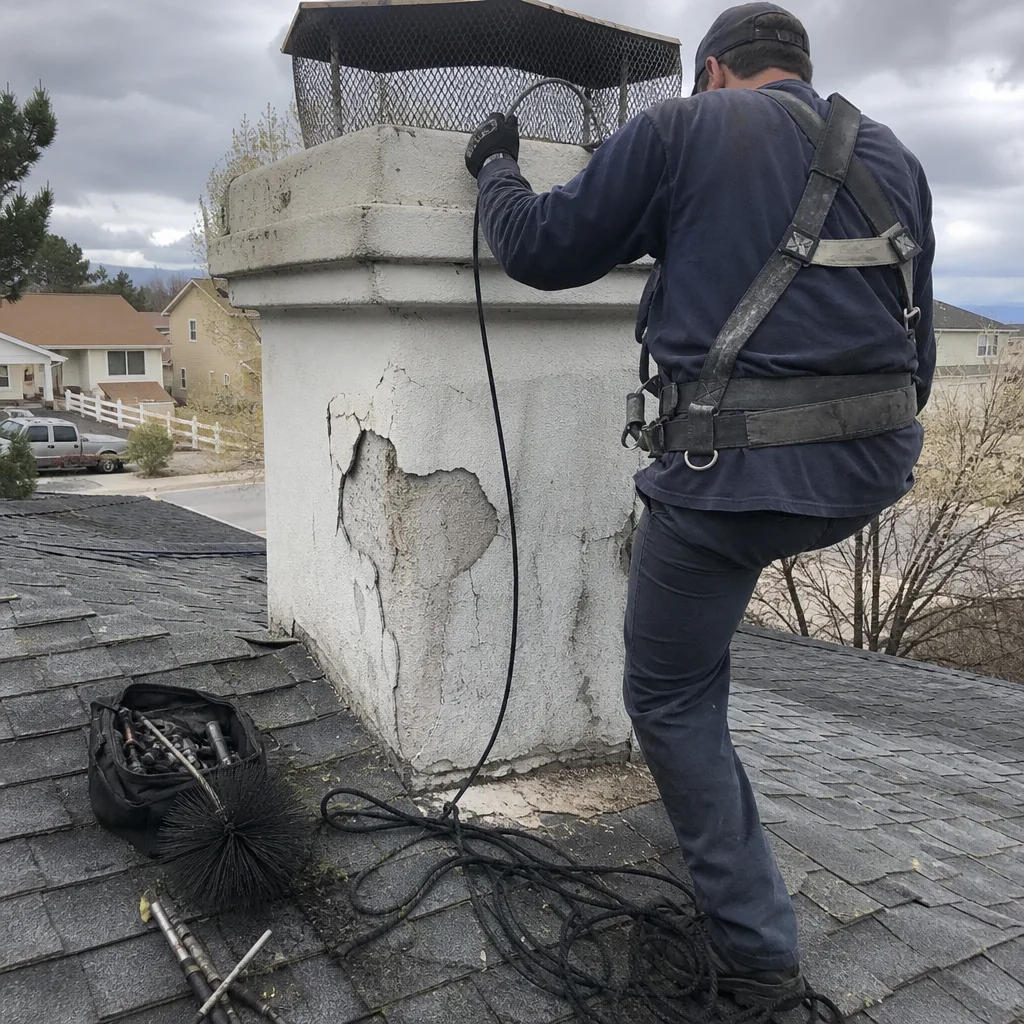 Before
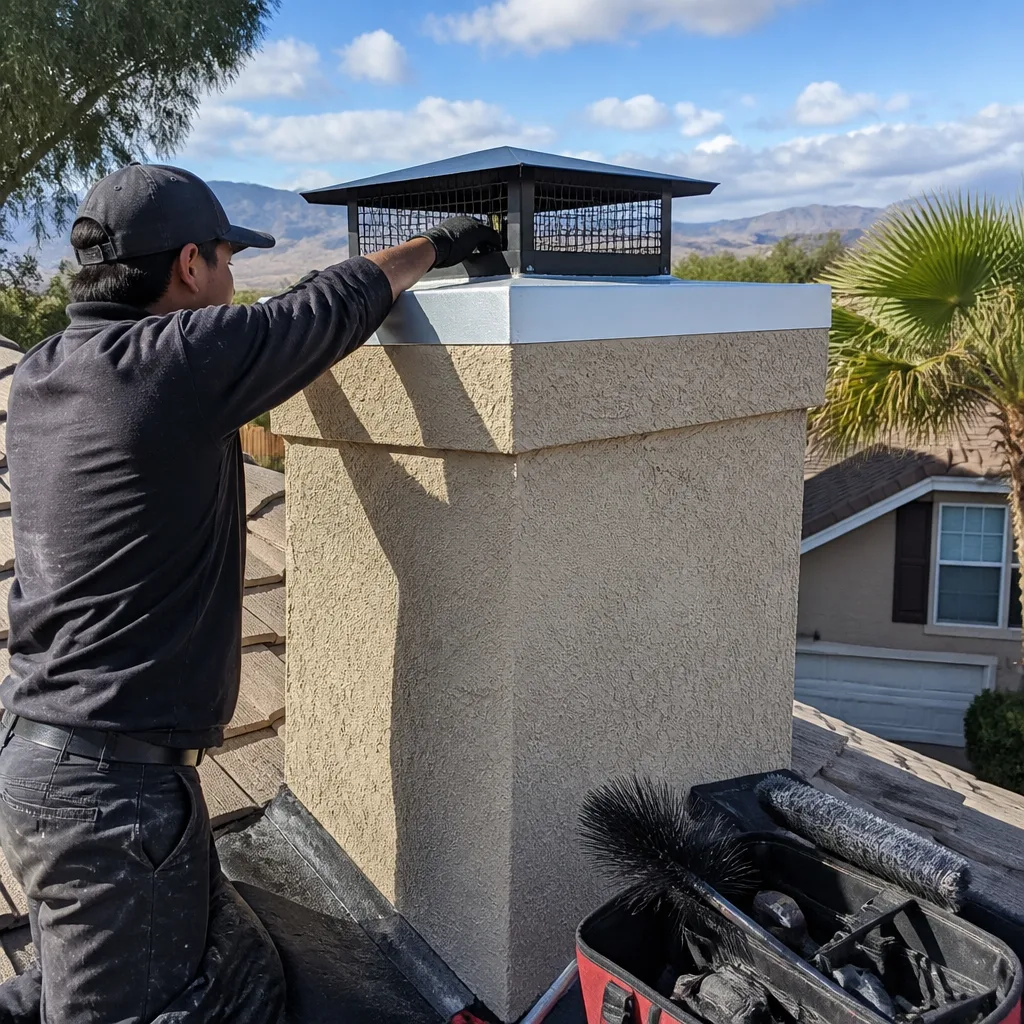 After
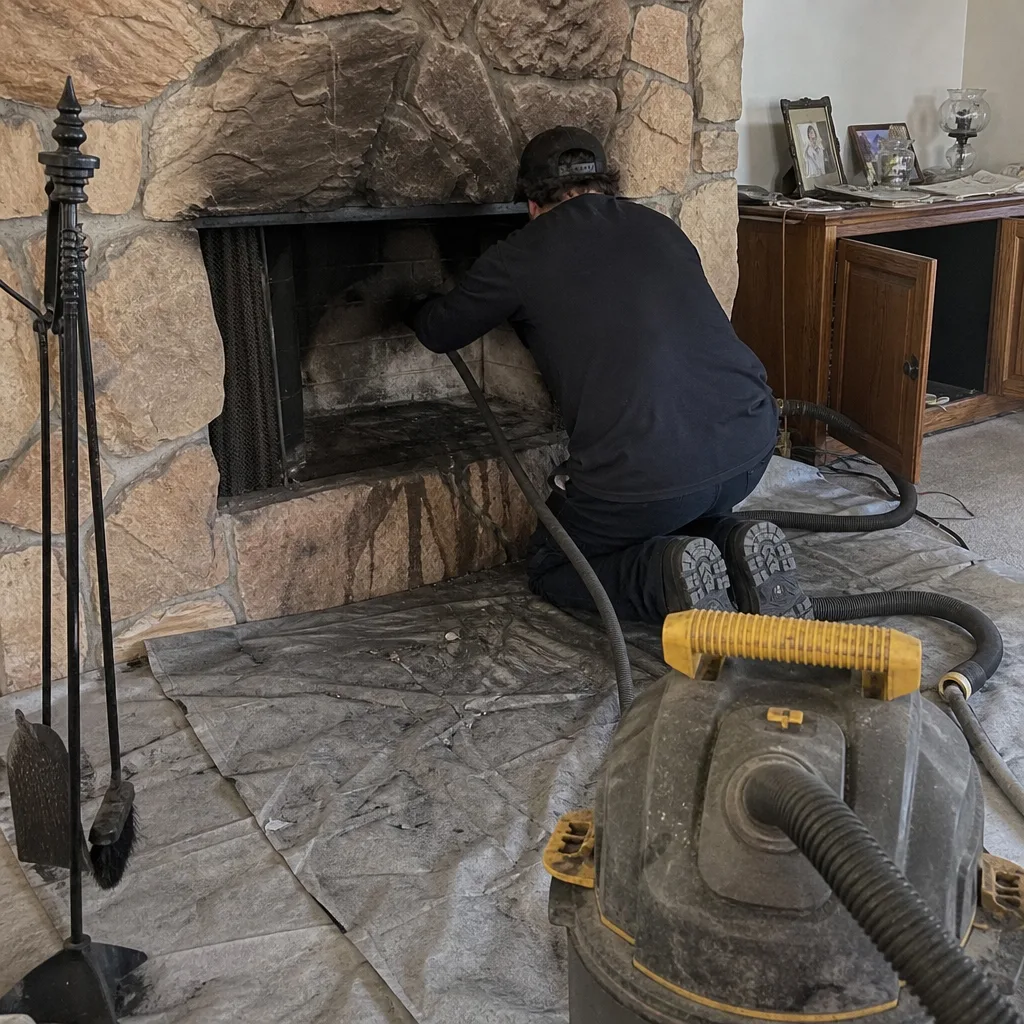 Before
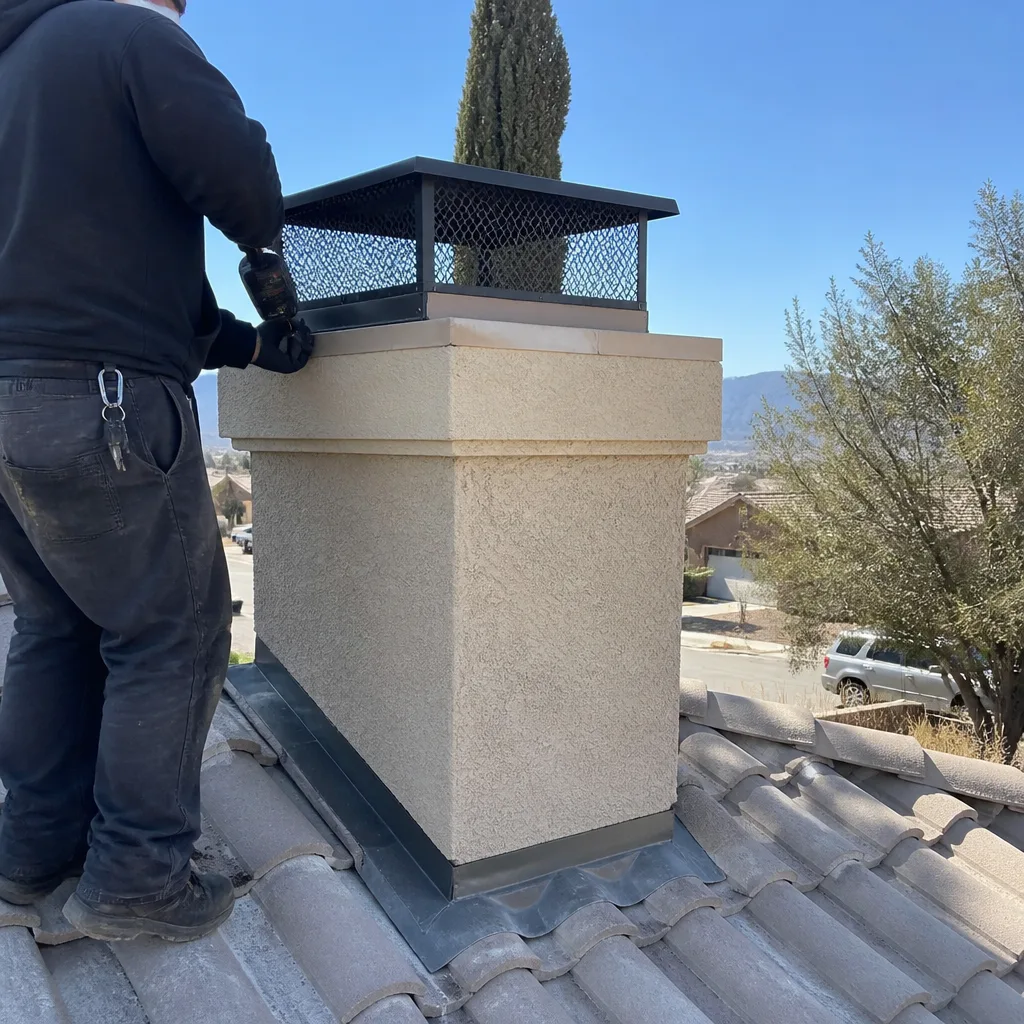 After
 Before
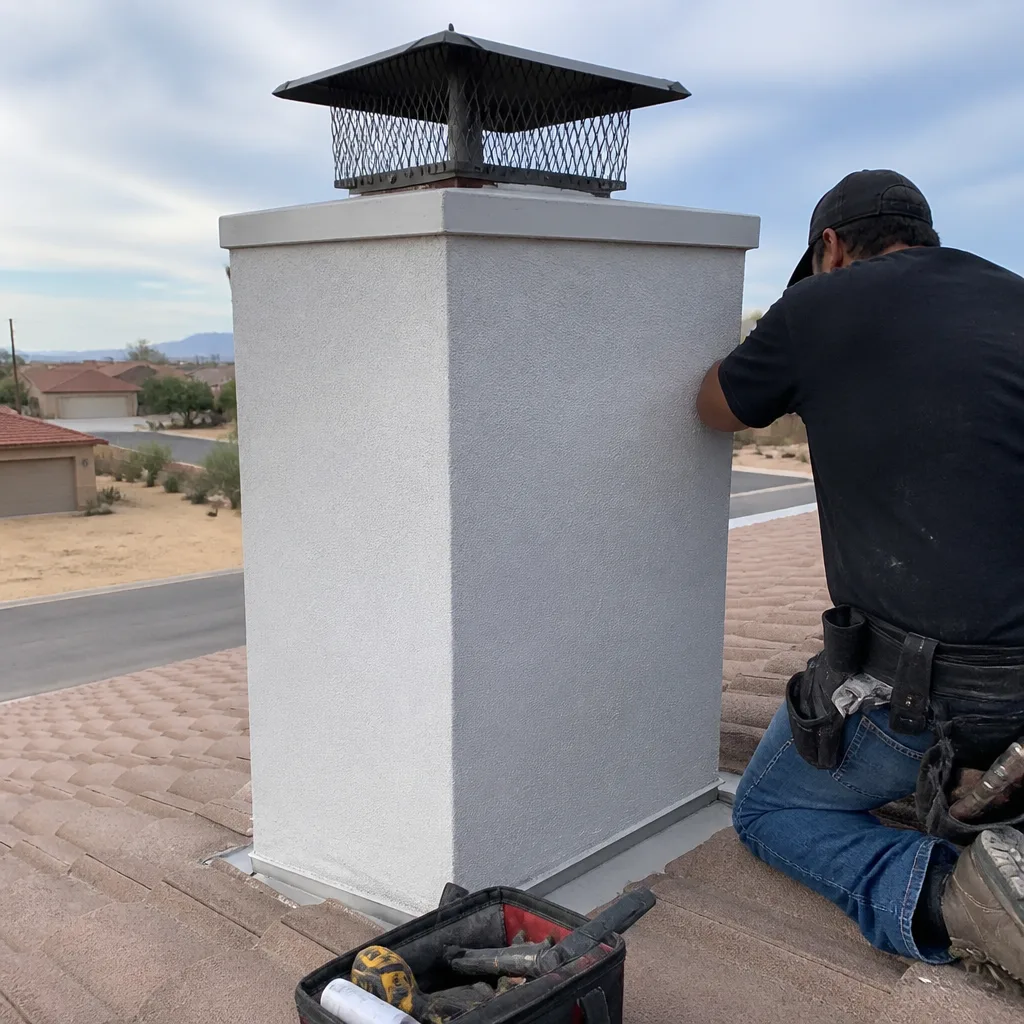 After