
Last updated November 2, 2026
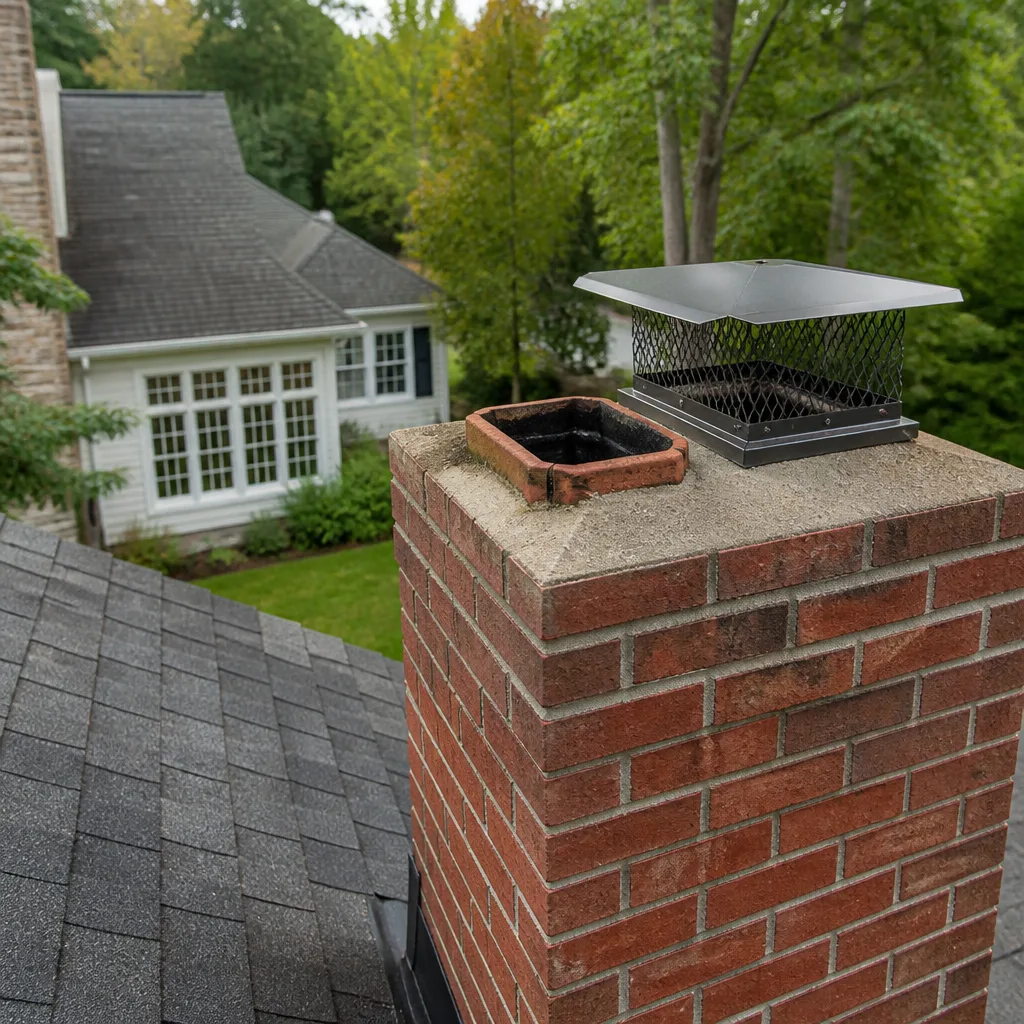 Sweep & inspection
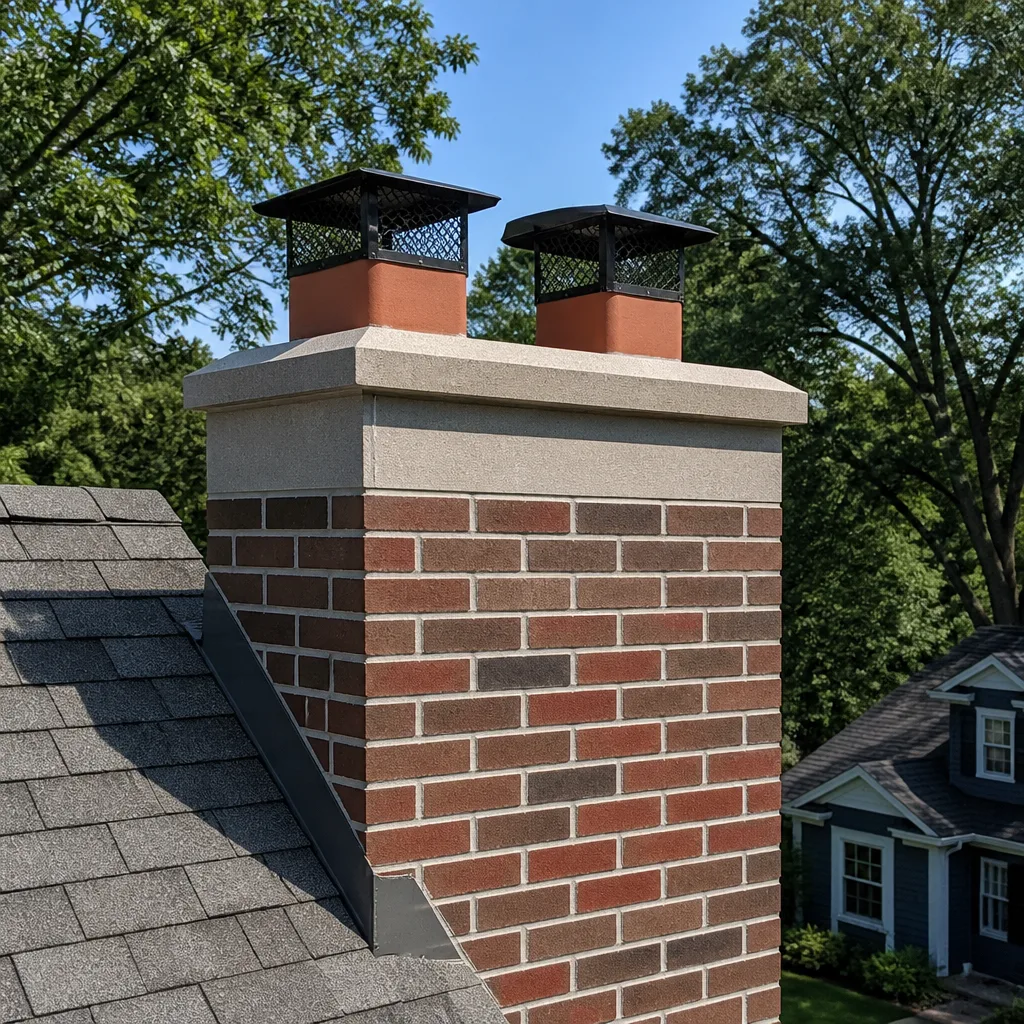 Caps & crowns
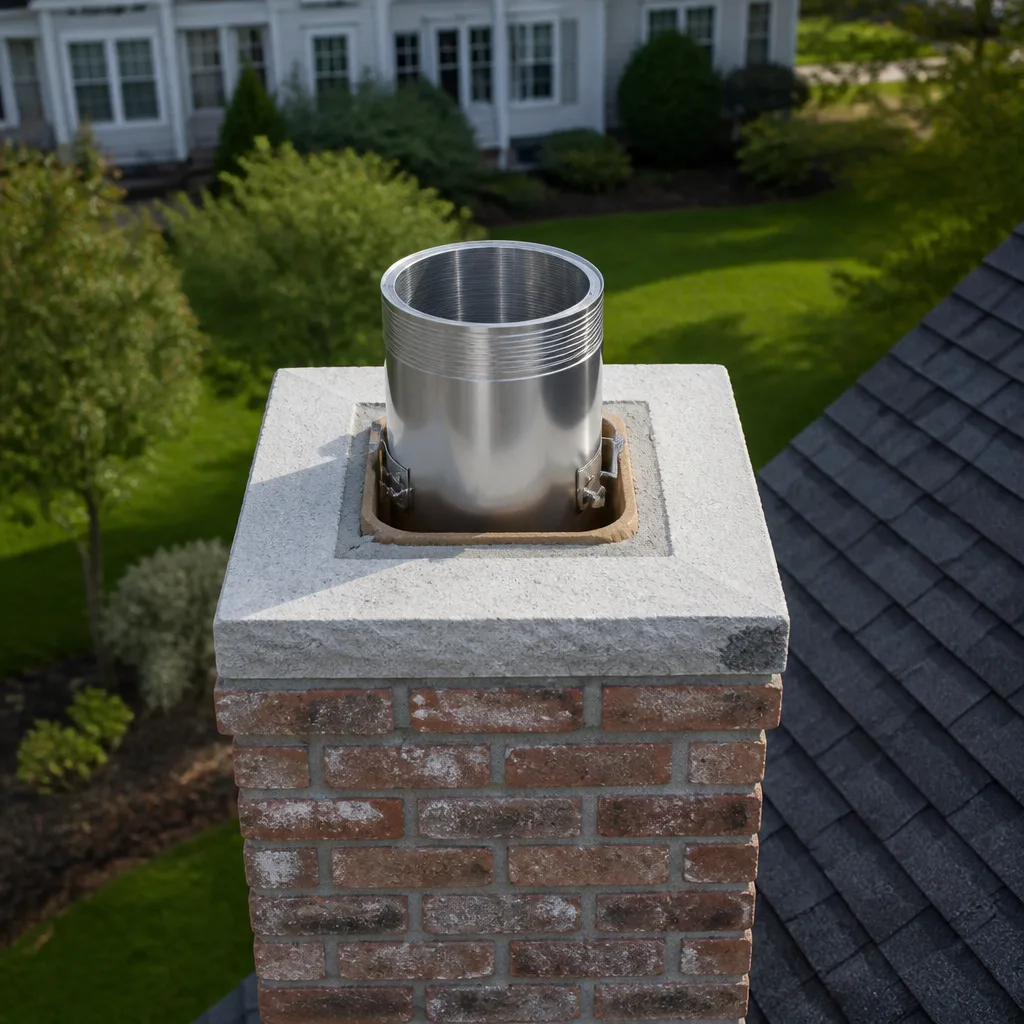 Flue relining
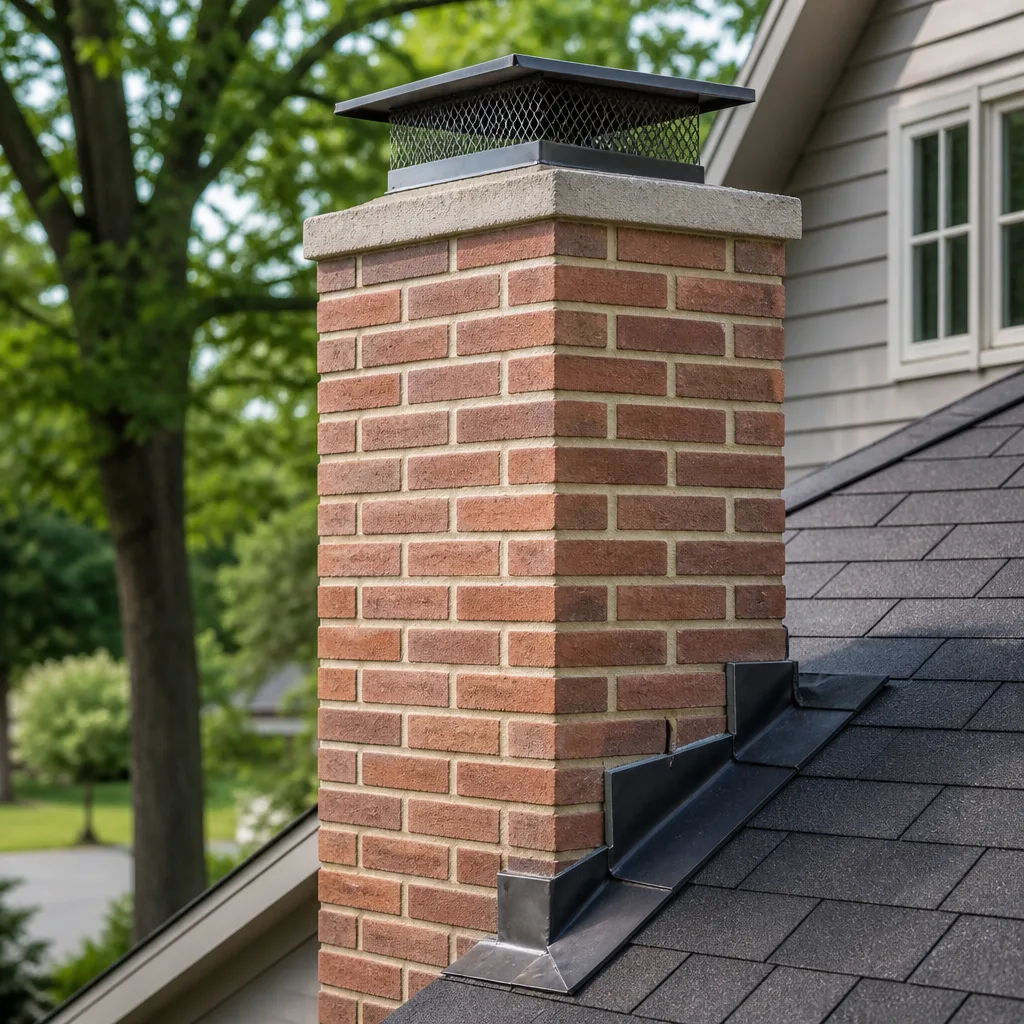 Masonry repair
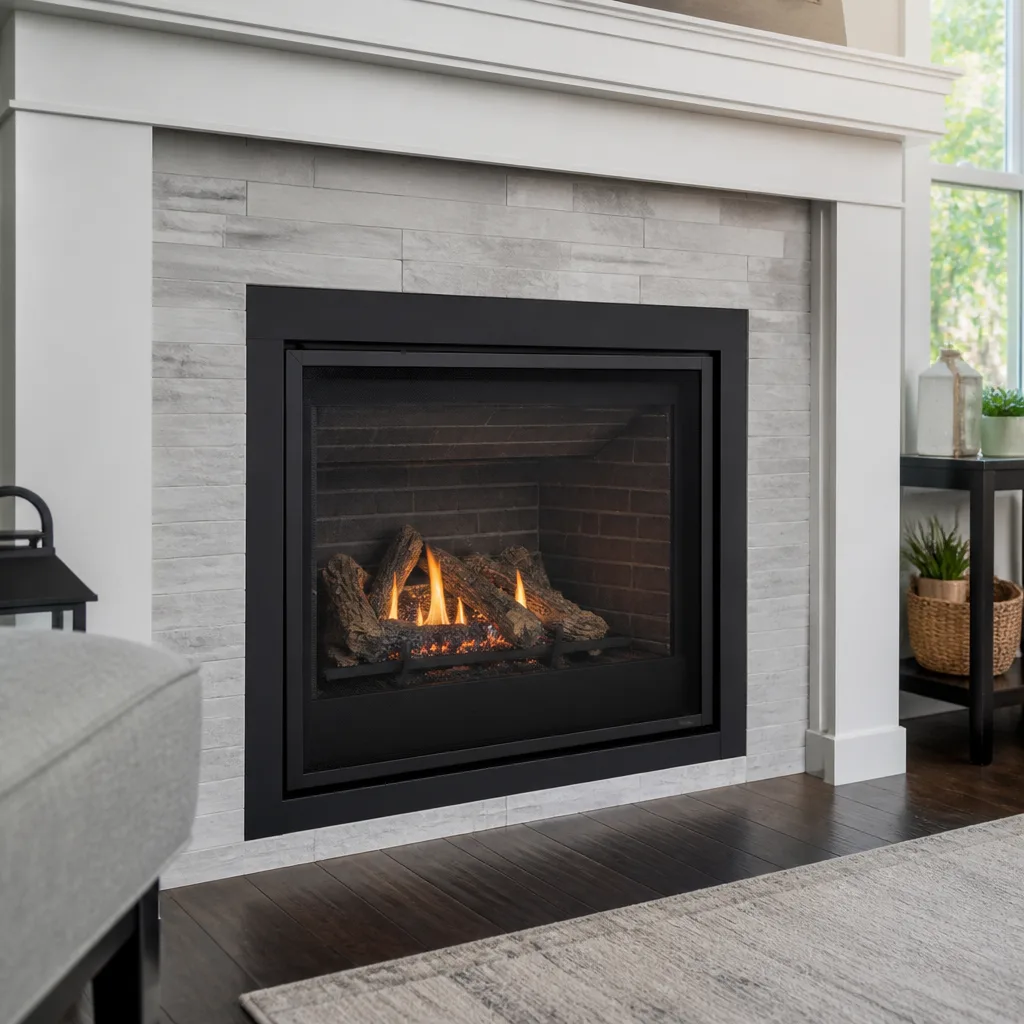 Gas fireplace service
Level 1 sweep and inspection to the NFPA 211 annual standard - flue, crown, cap, and flashing checked and photographed
Chimney sweep logs do not sweep chimneys. They loosen some creosote - which then falls where a brush and vacuum still have to collect it.
Chimney Cleaning Permits, Codes & Inspections in CA: What You Need to Know
A relining job done without a permit doesn’t just create a code violation. It creates a homeowner’s insurance liability that the contractor who did the work will never be around to explain. Chimney sweeping itself rarely requires a permit anywhere in California. But the moment the work shifts from cleaning to repair, to liner installation, or to structural modification, you’ve crossed a legal line that most Hesperia homeowners never see coming. This guide walks through exactly where that line sits, what California Building Code Chapter 10 actually says, when the City of Hesperia gets involved, and how to protect yourself from unpermitted work that surfaces at resale or after a fire claim.
Styles & brands we work with
- Sweep & inspection
- Caps & crowns
- Flue relining
- Masonry repair
- Gas fireplace service
Quick Answer
A routine chimney sweep in Hesperia does not require a permit. However, liner replacement, masonry rebuilding, firebox repair, or any structural modification to a chimney typically does require a permit from the City of Hesperia Building Department under California Building Code Chapter 10. Some liner installations, particularly cast-in-place systems, trigger additional code requirements that an unlicensed sweep will quietly skip, leaving the homeowner with unpermitted work that can block a sale or void an insurance claim.
Table of Contents
- What Actually Triggers a Permit in California
- Hesperia Building Department vs. San Bernardino County: Who Governs What
- When an NFPA 211 Inspection Is Legally Required
- How Liner Material Affects Code Compliance
- What the Grandfather Clause Actually Covers in Hesperia
- What Permits and Inspections Cost in Hesperia
- Step-by-Step: Getting a Chimney Repair Done Legally in Hesperia
- Common Mistakes to Avoid
- When to Call a Professional
- Frequently Asked Questions
- The Bottom Line
What Actually Triggers a Permit in California
California Building Code (CBC) Chapter 10 governs chimneys and fireplaces. The code is adopted statewide, but enforcement happens at the local level. In Hesperia, that means the City of Hesperia Building and Safety Division is the authority that issues permits, performs inspections, and signs off on chimney work. Here’s the distinction most homeowners miss: sweeping and inspection are maintenance activities that exist outside the permit system entirely. No city in California requires a permit to run a brush through a flue. No permit is needed for a Level 1 or Level 2 inspection either, even when that inspection uses a camera. But repair work is different, and the code draws a bright line.
Under CBC Section 105, a building permit is required for any work that involves construction, alteration, repair, or demolition of a building system. A chimney is a building system. That means the following work in Hesperia requires a permit:
- Liner replacement or installation – whether stainless steel or cast-in-place
- Masonry repair that goes beyond cosmetic repointing, including rebuilding a crown or replacing bricks in the firebox
- Chimney rebuilding above the roofline or partial teardown of a deteriorated stack
- Firebox reconstruction – rebuilding the area where the fire actually burns
- Flue resizing or modification related to a new appliance installation
- Adding a wood stove or insert where none existed before
What does not require a permit: sweeping, inspection, minor repointing of loose mortar joints, cap replacement that fits an existing flue, and damper repair that doesn’t alter the flue dimensions. The distinction that matters in practice is whether the work changes the physical structure or combustion system. In our experience with Hesperia homes, the most common unpermitted situation we encounter is a stainless liner installed by a discount sweep who either didn’t know or didn’t care that city signoff was required. In Hesperia, particularly in older homes near Main Street or in the Mesa area, original clay tile liners from the 1960s and 1970s are at the age where they crack. The fix is often a liner. The permit requirement is not optional.
Hesperia Building Department vs. San Bernardino County: Who Governs What
Hesperia is an incorporated city, which means the City of Hesperia Building and Safety Division is the enforcing agency for building codes within city limits. San Bernardino County does not govern chimney work inside Hesperia city boundaries. That’s a distinction that matters because many contractors in the High Desert operate across city lines, from Victorville to Apple Valley to unincorporated county areas like Oak Hills or Summit Valley. A contractor who does most of their work in unincorporated San Bernardino County may never have dealt with Hesperia’s specific permitting process.
Here’s how it plays out for a homeowner:
- Unincorporated county areas – San Bernardino County Building and Safety issues permits. Process and fees differ from the city. A contractor familiar with county work may not know Hesperia’s forms.
- Incorporated Hesperia – the City’s Building and Safety Division at 9700 Seventh Avenue handles permits. They require a permit application, plans or details for liner installation, and an inspection after the work is done.
- Adjacent cities like Victorville or Apple Valley – each has its own building department with slightly different enforcement practices. A Hesperia homeowner should not assume that what passed in Victorville passes in Hesperia.
The practical takeaway: when you hire someone for chimney repair in Hesperia, ask directly whether they pull permits through the City of Hesperia. If they hesitate, that’s your answer. A contractor who suggests you pull the permit yourself as the homeowner is also a red flag. That’s a common workaround that shifts liability to you while the contractor does unpermitted work under your name. The permit holder is legally responsible for the work. If the contractor makes you the permit holder, you’re the one the city comes after if something goes wrong.
The Chimney Repair in Hesperia work we do includes navigating this process, so you know exactly who is responsible for what before the first brick comes out.
When an NFPA 211 Inspection Is Legally Required
NFPA 211 is the national standard for chimneys, fireplaces, and vents. California adopts NFPA 211 as part of the state fire code, which gives it legal force in Hesperia. But the standard only becomes legally mandated in specific situations. Understanding those triggers protects you from two opposite problems: skipping an inspection when one is required, and paying for an inspection the law doesn’t actually demand.
Here are the situations in California where an NFPA 211-compliant inspection is legally required:
- Real estate transactions – California law does not universally require a chimney inspection at sale. However, many lenders and insurance companies require a Level 2 inspection before issuing coverage on homes with wood-burning fireplaces. If the home has had any event that damaged the chimney, or if the flue is being evaluated for a change in fuel type, NFPA 211 Level 2 is the minimum standard.
- Insurance claims – after a chimney fire, a lightning strike, or earthquake damage, insurance adjusters in California typically require an NFPA 211 Level 2 or Level 3 inspection before processing the claim. The insurer wants documentation that the chimney is safe before they’ll cover repairs.
- Post-fire assessments – Hesperia sits in a wildfire-risk zone. After any fire event, whether it’s a chimney fire, a structure fire nearby, or a wildfire that passed close to the property, an inspection is the only way to document flue integrity for your insurer.
- Appliance change – converting from a wood-burning fireplace to a gas insert changes the combustion and venting requirements. NFPA 211 and CBC both require an inspection of the existing flue before that conversion happens. A flue sized for wood may not be safe for gas without a new liner.
- It covers existing conditions – if your Hesperia home was built in 1985 with a chimney that met the 1985 code, you don’t have to upgrade that chimney just because code standards changed in 2023. The chimney is grandfathered as-is.
- It does not cover deterioration – a cracked clay tile liner, a crumbling crown, or spalling brickwork is not grandfathered. Deterioration is a maintenance issue, and once the city or an insurer flags it, the repair must meet current code, not the code from 1985.
- It does not cover unpermitted work – if someone installed a liner or rebuilt a firebox without a permit at some point in the past, that work was illegal when it happened and cannot be grandfathered. The grandfather clause only protects work that was legal when done.
- It does not cover safety hazards – clearances to combustibles that were acceptable in 1985 may be considered unsafe today. If the city identifies a fire hazard, grandfathering does not shield you from the required retrofit.
- It does not survive modification – the moment you modify the chimney, the grandfather protection ends. You can’t put a new liner in a grandfathered chimney and expect the rest of the system to remain exempt from current code requirements.
- Permit fee – typically $150 to $400 for a straightforward liner replacement, depending on the declared project value
- Inspection fee – the first inspection is usually included in the permit fee; re-inspections after a failed inspection run $75 to $150 each
- Plan review – if the city requires plan review for a complex liner system or firebox rebuild, add $100 to $250
- Total – most Hesperia homeowners should budget $250 to $650 for permits and inspections on a typical liner or firebox repair project
- Get a Level 2 inspection – before any work happens, get an NFPA 211 Level 2 inspection with camera documentation. This establishes the baseline condition and identifies exactly what needs repair. Without this, you’re guessing, and the city may ask for documentation you don’t have.
- Determine if the repair triggers a permit – if the work is limited to sweeping, minor repointing, or cap replacement, no permit is needed. If it’s a liner, firebox rebuild, or structural repair, you need a permit.
- Select a contractor who will pull the permit in their name – the contractor, not the homeowner, should be the permit holder. That keeps liability where it belongs. If a contractor asks you to pull the permit, walk away.
- Submit the permit application through the City of Hesperia Building and Safety Division – your contractor should handle this. The city will review the scope, confirm the liner material is code-compliant for your fuel type, and issue the permit.
- Complete the work – the contractor performs the repair, whether it’s a DuraFlex liner installation, a HeatShield resurfacing, a firebox rebuild, or a crown repair.
- Schedule the city inspection – the work must be inspected before the chimney is put back into use. The inspector verifies the work matches the permit scope and meets code.
- Keep the final signoff – after the inspection passes, the city issues final approval. That document is what you’ll need at resale. File it with your home records.
- Assuming a sweep and an inspection are the same thing – they’re not. A sweep removes creosote. An inspection evaluates structural safety and code compliance. In Hesperia, you may need both, but don’t accept one labeled as the other.
- Letting a contractor do liner work without pulling a permit – a stainless liner installed without a City of Hesperia permit is unpermitted work. It surfaces at resale and gives your insurer a reason to deny a claim.
- Pulling the permit yourself as the homeowner because the contractor asked you to – this transfers legal liability to you. Don’t do it. The contractor should be the permit holder.
- Installing a liner that isn’t rated for your fuel type – a wood-burning fireplace needs a different UL listing than a gas insert. The wrong liner is a code violation even with a permit.
- Ignoring a cracked clay tile liner because the fireplace still “works fine” – the crack doesn’t care if the fire draws well. A cracked liner is a fire risk, and leaving it unrepaired only increases the repair cost later.
- Believing the grandfather clause protects a deteriorated chimney – grandfathered status applies to legal, non-deteriorated conditions. A crumbling chimney has no grandfather protection.
- Skipping the final city inspection after repair work is done – the permit isn’t complete until the city signs off. An uncompleted permit is as bad as no permit at resale.
An inspection is not a sweep. A sweep clears creosote and debris. An inspection evaluates structural integrity, clearances, and code compliance. In Hesperia, we perform both, but we don’t call one the other. If you’re told an inspection was done and you didn’t see a written report with photos, it wasn’t done.
How Liner Material Affects Code Compliance
California Building Code doesn’t just regulate whether you need a permit for a liner. It regulates which liner materials are legal for which fuel types and flue configurations. Get this wrong and you have a code violation even if the permit was pulled. Here’s what CBC Chapter 10 and NFPA 211 say about the two main liner categories:
Stainless Steel Liners
Stainless steel liners are the most common retrofit solution in Hesperia because most of the city’s housing stock was built with clay tile liners that crack over time. For wood-burning appliances, the liner must be UL 1777 listed and installed as a complete system. That means the liner itself, the top plate, the rain cap, and the connection to the appliance all meet the listing. A liner installed without the proper top termination or with incorrect sizing is a code violation regardless of how good the stainless steel is. For gas appliances, the liner must be rated for gas venting, which is a different UL listing than solid fuel.
Cast-in-Place Liners
Cast-in-place systems pour a ceramic or refractory material down the existing flue, creating a new liner inside the old one. These systems are legal in California under specific conditions. The material must be tested to UL 1777 or equivalent for the fuel type. The existing flue must be structurally sound enough to support the pour. And the finished liner must maintain proper clearance to combustibles. Cast-in-place is often chosen for flues with offset shapes that stainless flex systems can’t accommodate without significant modification. But the installation is more specialized, and not every contractor who offers it is certified by the manufacturer to install it correctly.
In our work in Hesperia, we install DuraFlex stainless liners for most wood-burning retrofit situations. When a full liner isn’t necessary because the flue is structurally sound but has minor surface damage, we use HeatShield ceramic resurfacing, which is a documented repair method that restores the flue interior without requiring full relining. The key point for homeowners: the choice of liner material is a code decision, not just a product preference. The wrong liner for the wrong fuel type is a code violation that no amount of sweeping will fix.
What the Grandfather Clause Actually Covers in Hesperia
The grandfather clause is the most misunderstood concept in chimney code compliance. In California, existing structures are generally allowed to remain as they are if they were code-compliant when built. That’s the grandfather principle. But it covers far less than most homeowners assume. Here’s what it does and doesn’t protect:
The practical reality in Hesperia is this: many homes built before 2000 had fireplaces and chimneys that were perfectly legal when constructed. But decades of High Desert temperature swings, occasional seismic activity, and normal use have deteriorated those systems. The grandfather clause does not protect a deteriorated chimney. When that chimney needs repair, it needs repair to current California code, which often means a liner, a crown rebuild, and a permit. The Chimney Sweep in Hesperia service we provide starts with identifying whether your chimney is still legally grandfathered or has crossed into repair territory.
What Permits and Inspections Cost in Hesperia
Permit costs in Hesperia are based on the valuation of the work. The city uses a fee schedule that calculates the permit fee as a percentage of the total project value. For a typical chimney liner installation, here’s what the cost breakdown looks like in real numbers:
For a full chimney rebuild, where the project valuation is higher, permit costs scale accordingly and can reach $800 to $1,200. That’s a significant line item, but it’s a fraction of what unpermitted work costs when it surfaces at resale. We’ve seen Hesperia home sales fall through because the buyer’s inspector flagged a chimney liner that had no permit on record. The seller ended up paying to have the work redone legally, plus the permit, plus the original unpermitted installation was removed and discarded. The cheapest permit is the one pulled before the work starts.
Step-by-Step: Getting a Chimney Repair Done Legally in Hesperia
If you’re facing chimney repair in Hesperia and want to make sure everything is done by the book, here’s the process from start to finish:
This process typically takes 2 to 3 weeks from permit submission to final inspection for a liner replacement. It’s not fast, but it’s the difference between a chimney that’s legally yours to use and one that’s a liability on your property record.
Common Mistakes to Avoid
When to Call a Professional
If your chimney has a cracked liner, a crumbling crown, a firebox with missing or loose bricks, or visible spalling on the exterior masonry, you’re beyond the sweep-and-go stage. These are structural issues that require a permit, a repair plan, and a professional who knows how to navigate the City of Hesperia process. If you smell smoke in the house when the fireplace isn’t in use, if you see white staining on the exterior brick, or if your last inspection flagged clearance issues, don’t wait. Chimney problems compound. A $300 crown repair becomes a $3,000 liner replacement when water intrusion is left unaddressed for three years.
Chimney Sweep Hesperia offers free estimates in Hesperia, covering everything from routine chimney sweeping to full structural repairs and Dryer Vent Cleaning in Hesperia. Call (855) 382-8016 to schedule an estimate. We’ll tell you straight whether the work needs a permit and whether it can wait.
Frequently Asked Questions
No permit is required for routine chimney sweeping or inspection anywhere in California, including Hesperia. Sweeping is classified as maintenance activity and exists outside the permit system. Permits only come into play when the work shifts to repair, liner installation, or structural modification.
A typical liner replacement permit in Hesperia costs between $150 and $400 based on the declared project value, with total permit and inspection costs for a liner project running $250 to $650. The permit fee is calculated on a schedule tied to the work valuation, which your contractor declares when submitting the application.
Yes. Stainless steel liner installation is a repair that alters the combustion system, and CBC Section 105 requires a permit for that work. A liner installed without a permit is unpermitted work that surfaces at resale and can complicate insurance claims. The permit must be pulled through the City of Hesperia Building and Safety Division if the home is within city limits.
California law does not universally require a chimney inspection at sale. However, most home inspectors in Hesperia include a visual chimney check in their standard report, and many lenders and insurers require a Level 2 inspection before issuing coverage on a home with a wood-burning fireplace. If your home’s chimney shows signs of deterioration, expect the buyer’s inspector to flag it and the lender to require documentation.
A Level 1 inspection is a visual check of the readily accessible parts of the chimney and fireplace, performed during routine sweeping. A Level 2 inspection includes everything in Level 1 plus video scanning of the flue interior and examination of the attic, crawlspace, and roof areas, and is required when the home is being sold, the fuel type changes, or an event like a chimney fire or earthquake has occurred.
Yes, in cases where the flue is structurally sound but has minor cracks or surface deterioration, HeatShield ceramic resurfacing can restore the flue interior without the cost and invasiveness of a full liner replacement. The flue must be evaluated first to confirm the damage is limited to surface-level issues. If the existing clay liner has shifted or collapsed, full relining is required regardless of resurfacing options. Call (855) 382-8016 to schedule an evaluation and get an honest recommendation.
The Bottom Line
Chimney cleaning in Hesperia doesn’t need a permit. Chimney repair usually does. The line between maintenance and modification is clear in California code, even though many contractors treat it as optional. A liner installed without a City of Hesperia permit is a liability, not a bargain. An inspection that doesn’t produce a written report with camera documentation isn’t an inspection. And a grandfather clause protects legal, non-deteriorated conditions, not the crumbling chimney on a 40-year-old High Desert home. When repair work is needed, the process is straightforward: get a Level 2 inspection, confirm the permit requirement, hire a contractor who pulls the permit in their name, and keep the final signoff. The paper trail isn’t bureaucracy. It’s the difference between a chimney that’s legally yours and one that’s someone else’s problem waiting to surface at the worst possible time.
Written by the team at Chimney Sweep Hesperia, serving Hesperia since 2014.
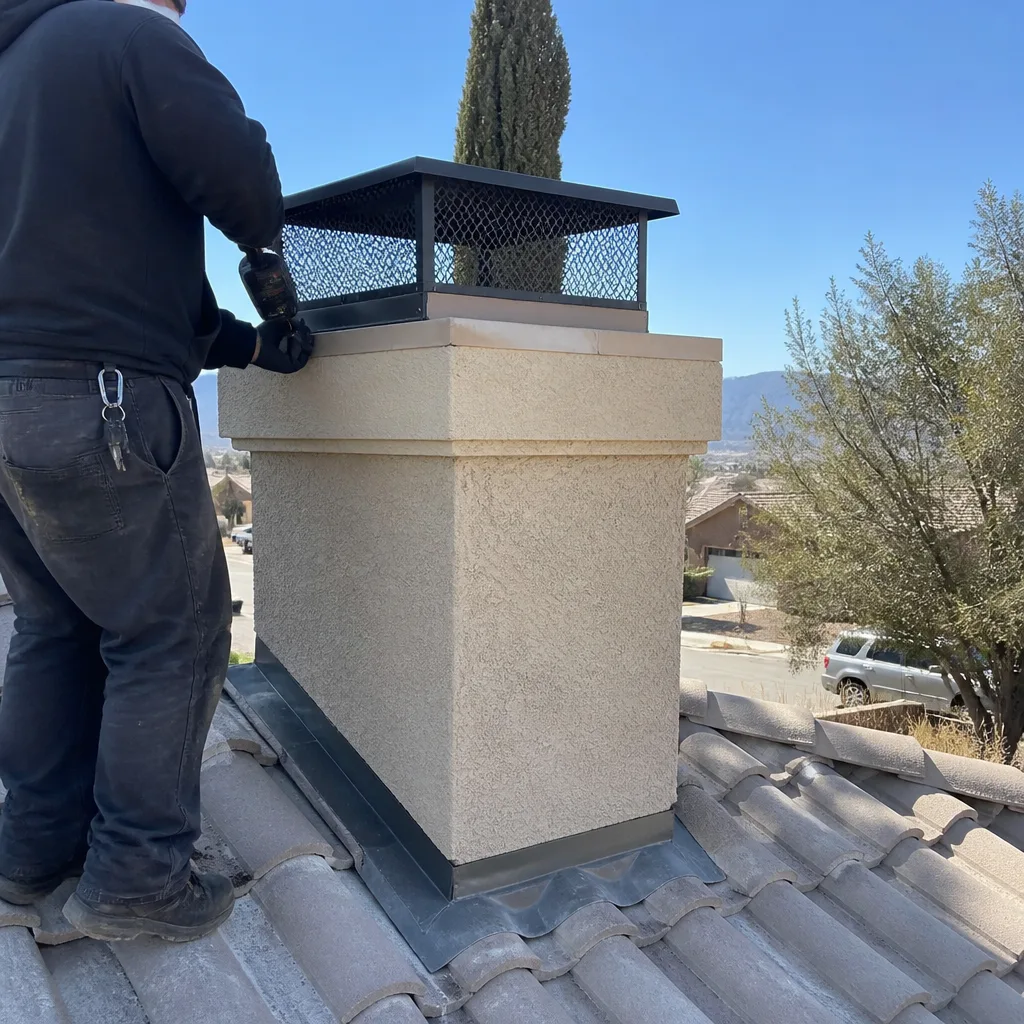
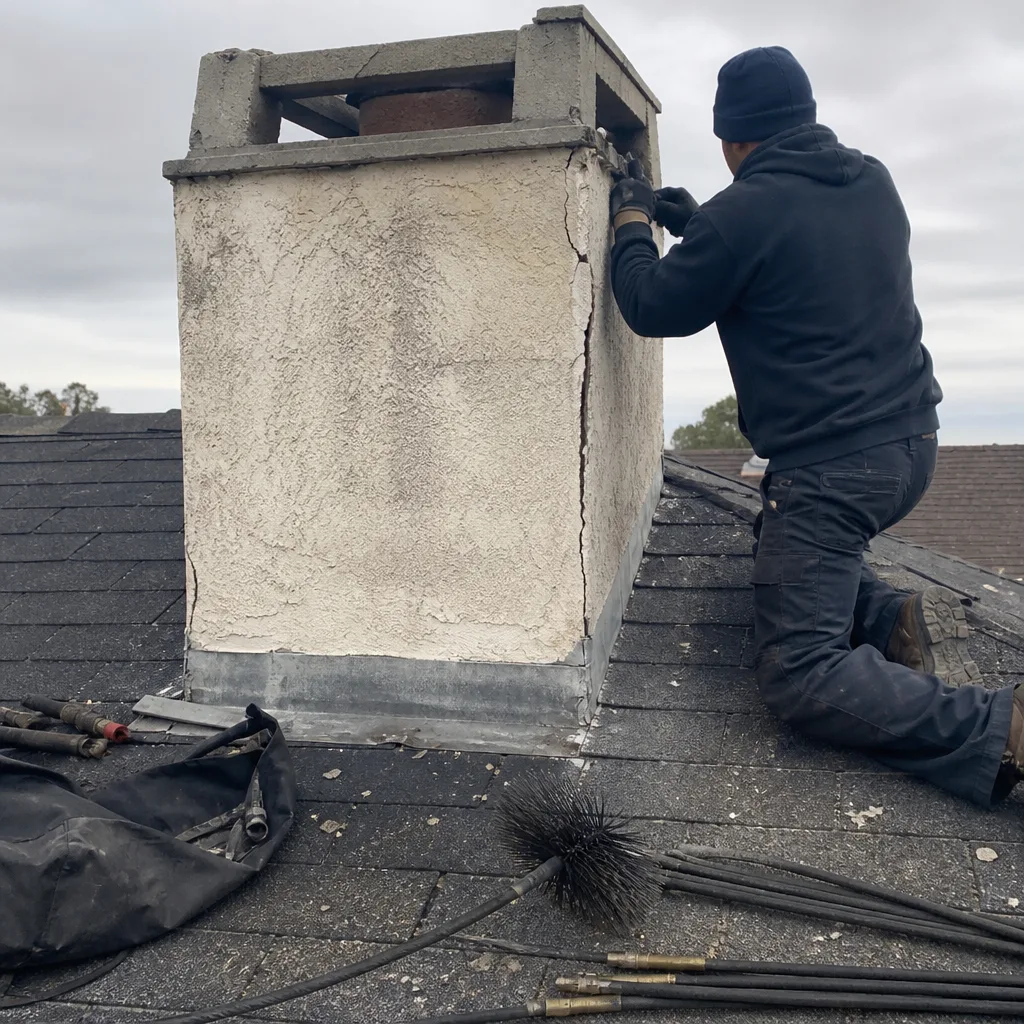
See the difference
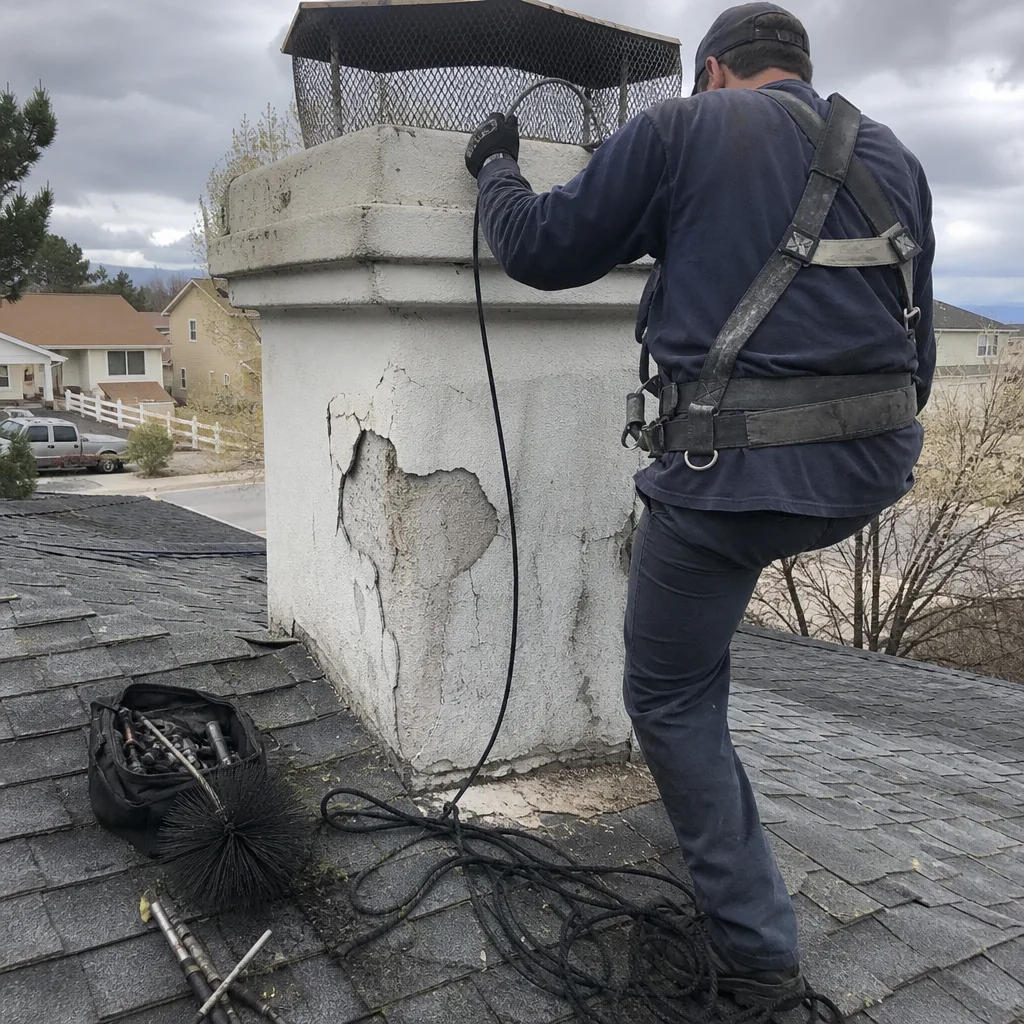 Before
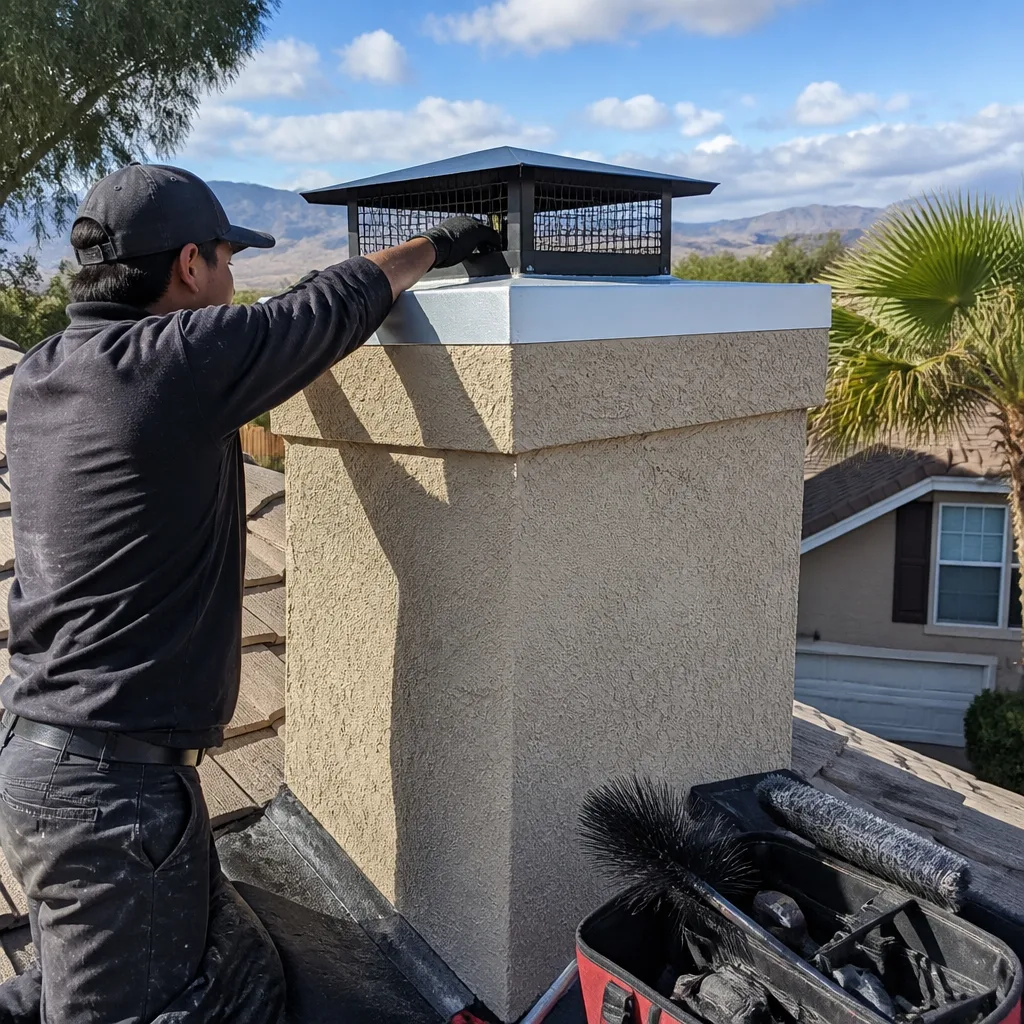 After
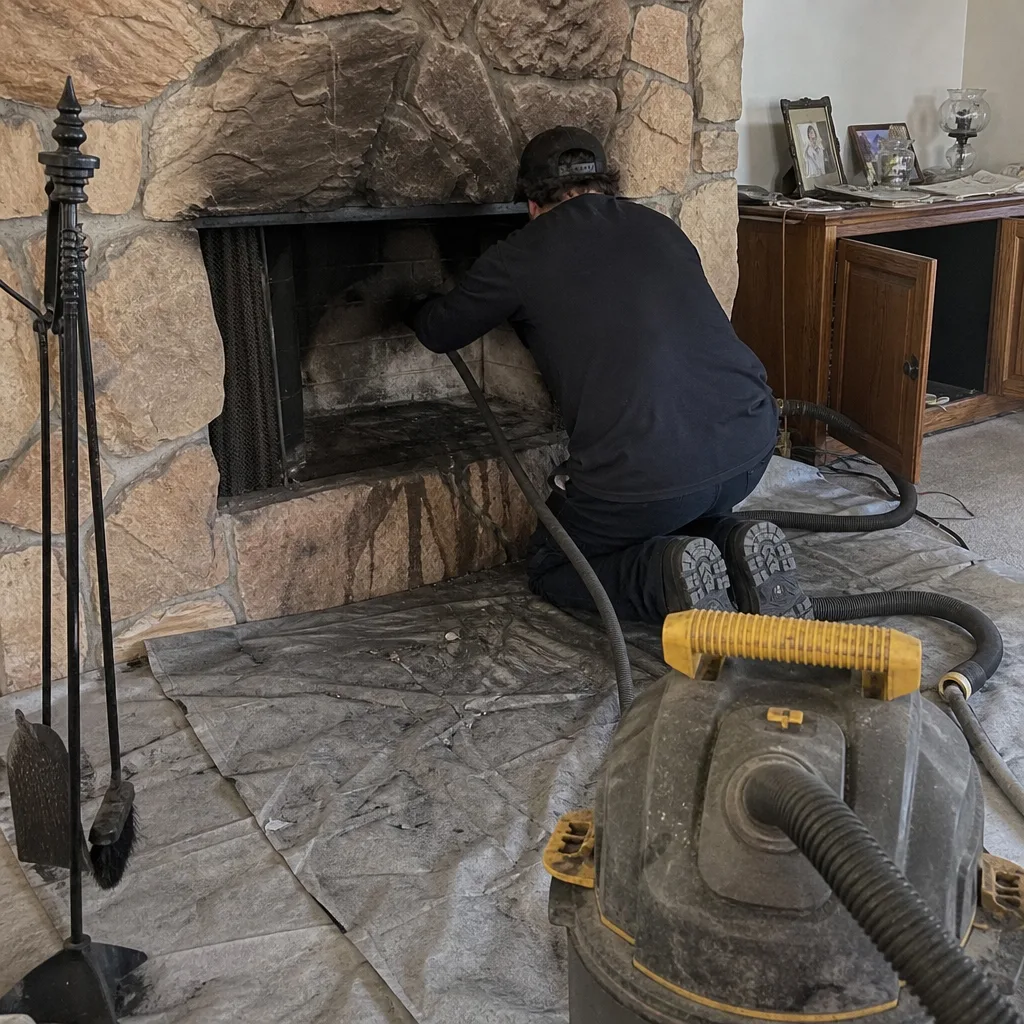 Before
 After
 Before
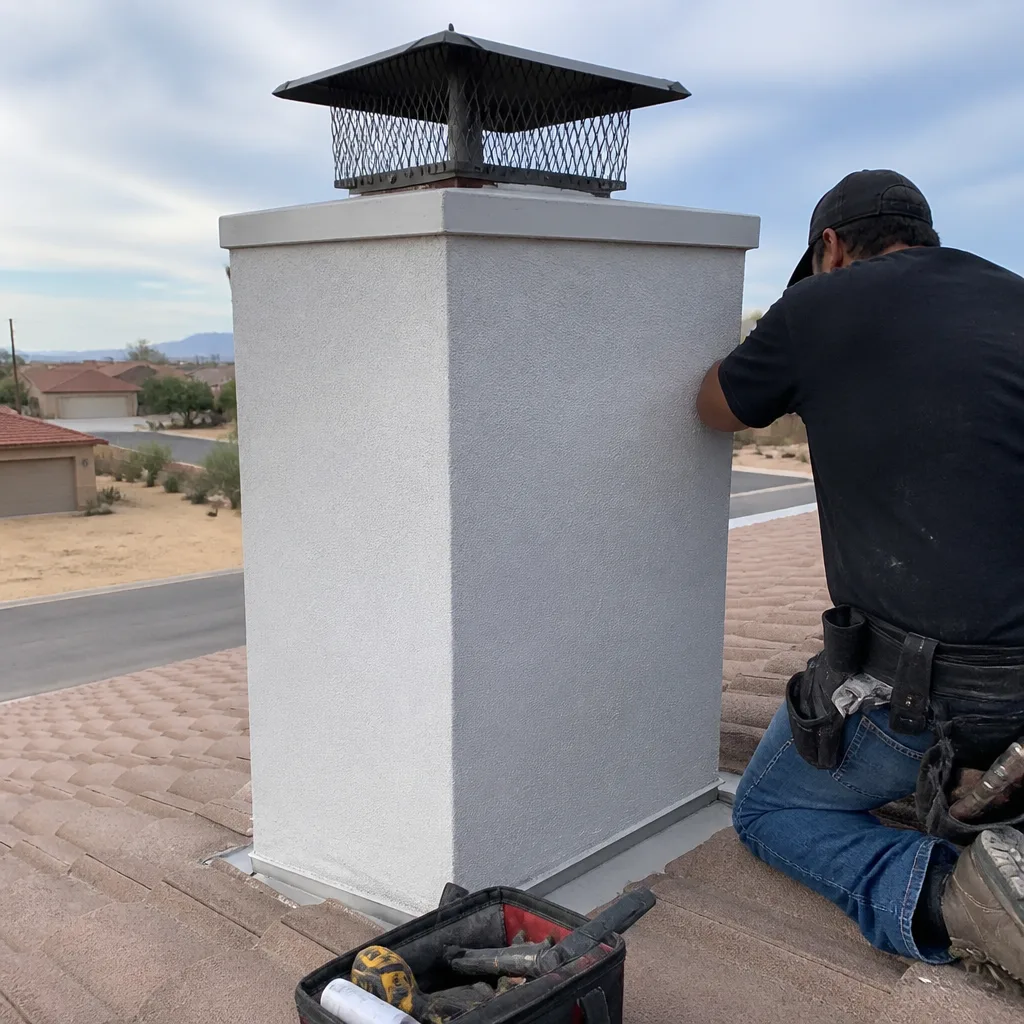 After