
Last updated November 3, 2026
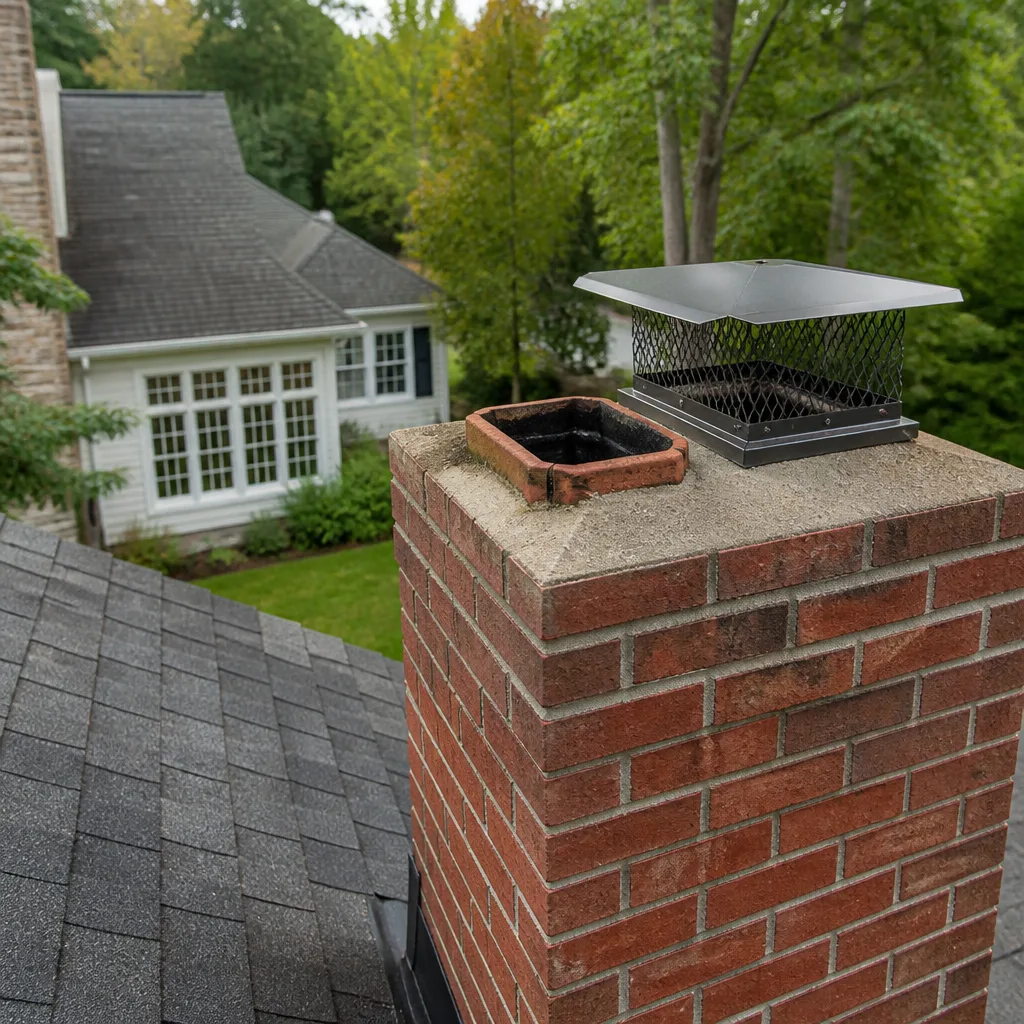 Sweep & inspection
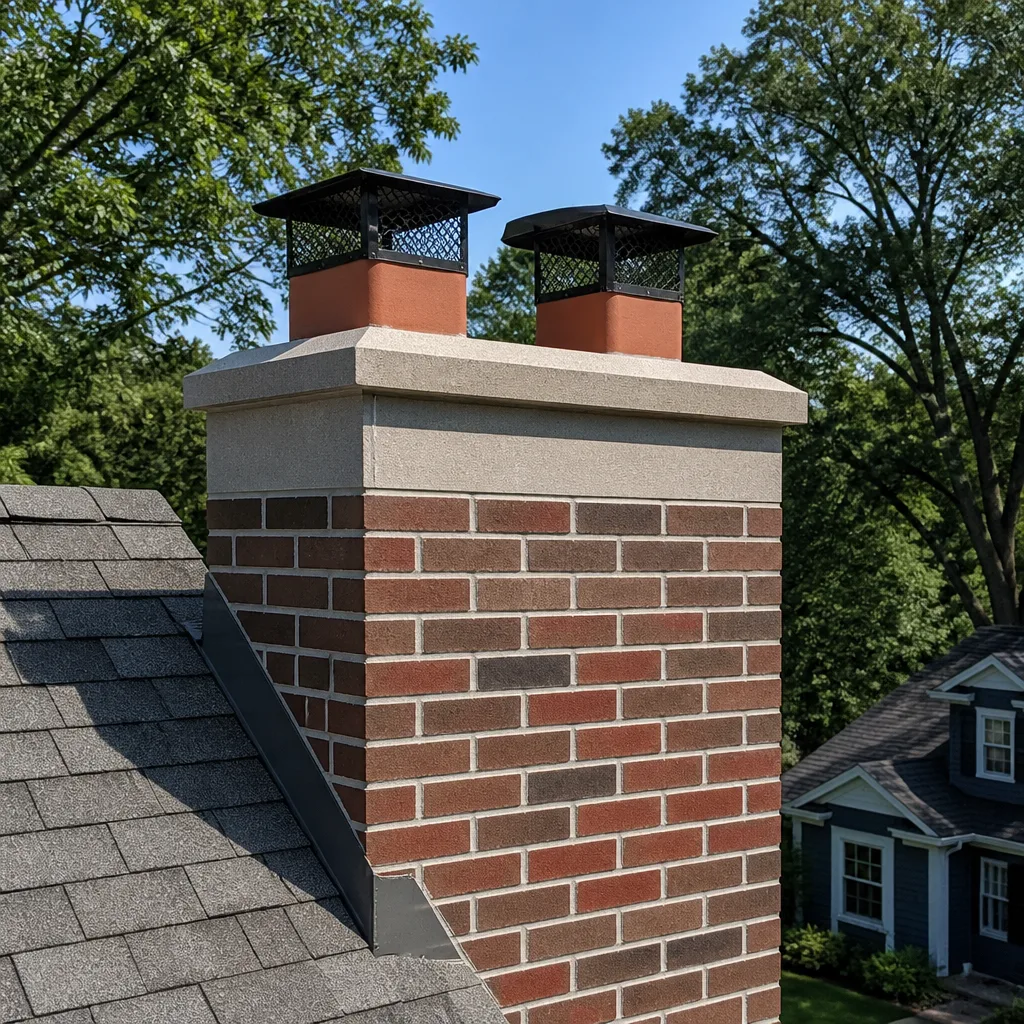 Caps & crowns
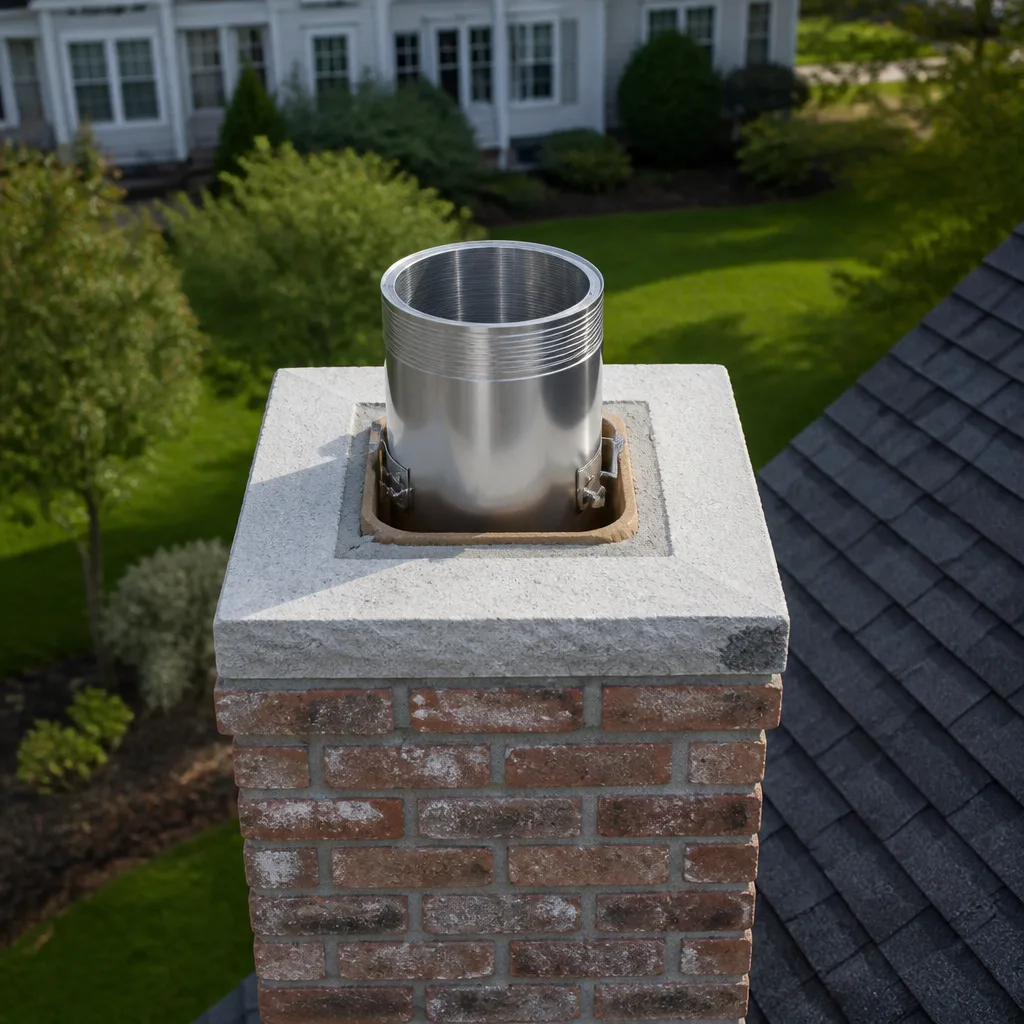 Flue relining
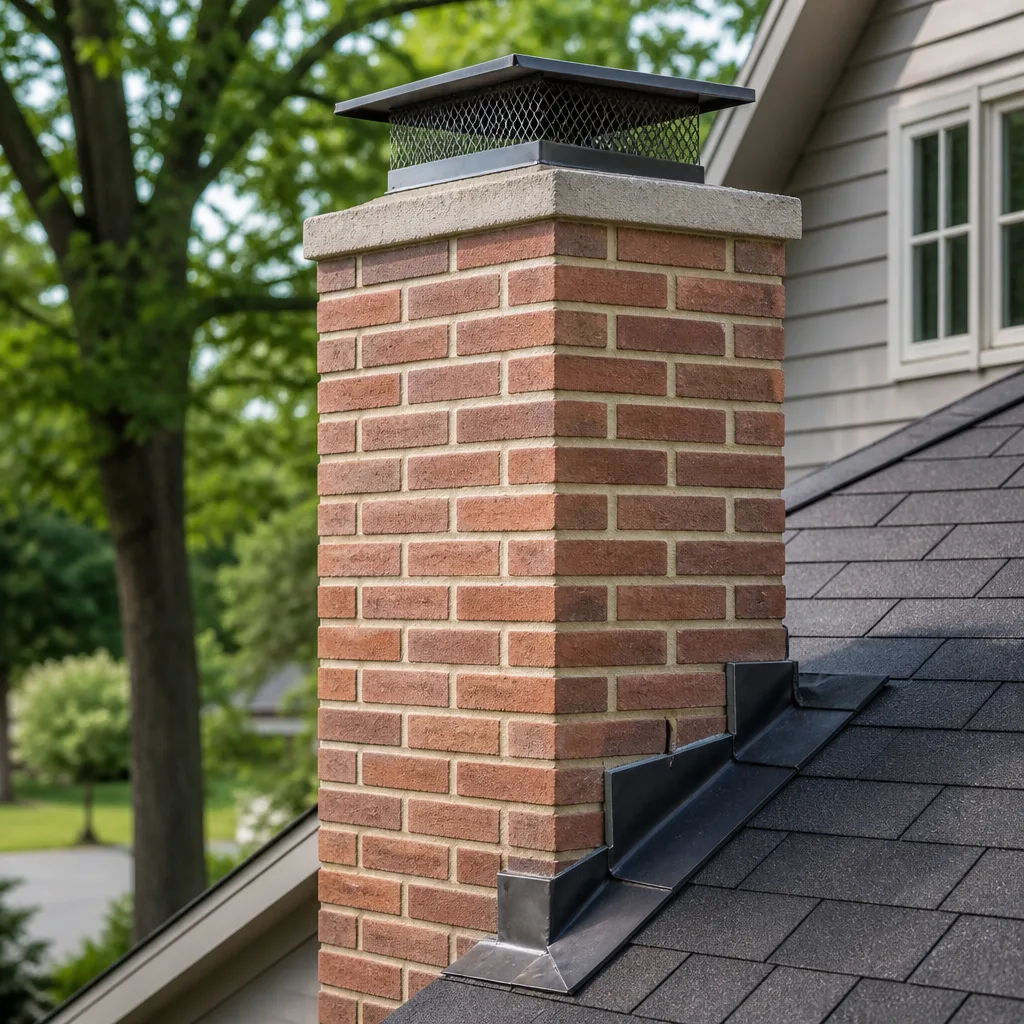 Masonry repair
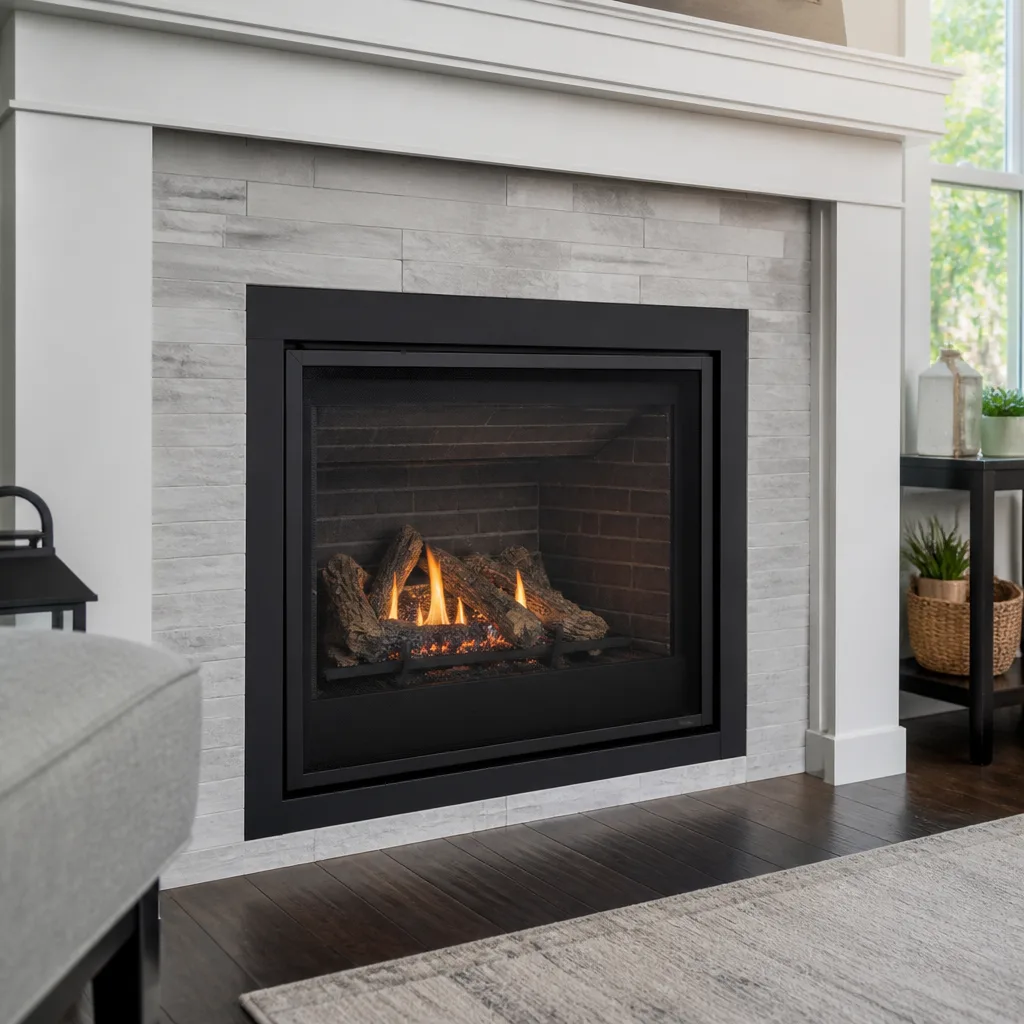 Gas fireplace service
Level 1 sweep and inspection to the NFPA 211 annual standard - flue, crown, cap, and flashing checked and photographed
Chimney sweep logs do not sweep chimneys. They loosen some creosote - which then falls where a brush and vacuum still have to collect it.
The Complete Chimney Sweep Guide for Hesperia Homeowners
Most chimney advice online reads like it was written for a house in Seattle or Boston. Rain caps, dampers, and moisture intrusion get the headlines. But Hesperia sits at 3,200 feet in the high desert, where summer temperatures climb past 100°F and winter nights can drop into the 20s. That 40-degree overnight swing does something specific to mortar joints and clay flue tiles, and the dry air does something specific to creosote. This guide covers what a Hesperia fireplace actually goes through, how to maintain it, when to sweep it, and what repair options make sense here. Not coastal California. Not the Midwest. The high desert.
Quick Answer
A chimney sweep in Hesperia typically costs between $180 and $340 for a standard cleaning and inspection, and most homes burning wood should schedule one sweep per cord burned or at least once per year before the burning season. Hesperia’s low humidity and temperature swings mean creosote glazes faster and mortar cracks sooner than in coastal climates, making annual inspection more important here than in most other parts of California.
Styles & brands we work with
- Sweep & inspection
- Caps & crowns
- Flue relining
- Masonry repair
- Gas fireplace service
Table of Contents
- Why Hesperia’s Climate Is Harder on Chimneys Than Coastal California
- Creosote in the Desert: How Low Humidity Changes the Rules
- How Often Should a Hesperia Chimney Be Swept?
- Santa Ana Winds and Chimney Draw: A High Desert Problem Most Guides Miss
- Level 1 vs Level 2 Inspections: What They Cover and When You Need Each
- Chimney Liner Options for Hesperia Homes: DuraFlex vs Rigid Stainless
- When a Sweep Finds Damage: Repair Options That Save the Flue
- The Dryer Vent Connection: Why One Crew Should Handle Both
Why Hesperia’s Climate Is Harder on Chimneys Than Coastal California
Chimney masonry expands and contracts with temperature. In a coastal climate like San Diego or Long Beach, the daily swing might be 15 degrees. In Hesperia, a typical winter day can move from 25°F before sunrise to 65°F by mid-afternoon. That is a 40-degree cycle, repeated daily for months. Mortar joints absorb the stress of that movement, and over time they develop hairline cracks that widen each season. Once a crack opens, exhaust gases carrying acidic residue seep into the masonry, and the deterioration accelerates from the inside.
We see this pattern constantly in homes across Hesperia, from older houses near Main Street to newer tracts in the Mesa and around Ranchero Road. The homes may be different ages, but the flue damage follows the same arc: surface spalling on brick, eroded mortar joints, and clay tile fragments showing up in the firebox. The fix is rarely complicated if caught early – a tuckpointing job or partial flue resurfacing. Left alone, the chimney can shift enough that a full rebuild becomes the only safe option.
What this means in practice:
- Annual inspections matter more here. A 15-year-old chimney in Hesperia can look like a 30-year-old chimney in Ventura.
- Hairline cracks are not cosmetic. In a dry climate, they do not stay hairline for long.
- Water intrusion is still a factor. Hesperia gets occasional heavy rain, and the freeze-thaw cycle after a wet winter storm can pop loose bricks that were already stressed.
Creosote in the Desert: How Low Humidity Changes the Rules
Creosote is the residue left behind when wood smoke cools and condenses inside the flue. In humid climates, creosote often stays sticky and tar-like. In Hesperia’s dry air, it bakes. Each fire drives moisture out of the residue, and the next fire bakes it further. Within a season, a chimney that started with soft, brushable soot can develop a hard, shiny glaze – what inspectors call stage 3 creosote.
Stage 3 creosote is a different material than the fluffy black powder most homeowners picture. It is dense, adhered to the flue wall, and highly flammable. A standard wire brush will not remove it. In fact, running a brush over glazed creosote just polishes the surface. The proper approach is a two-step process: first, a chemical treatment that breaks down the glaze, then mechanical removal. Some cases require rotary cleaning with chains or specialized whips. This is one of the clearest differences between a budget sweep and a thorough one. The budget sweep runs the brush through, hears it scrape, and tells you the chimney is clean. The glaze is still there.
What Hesperia homeowners should know:
- Burn hot, clean fires. Smoldering, low-oxygen fires produce more creosote in every climate, but the desert bakes that creosote into glaze faster.
- Seasoned hardwood only. High-desert pine and juniper are abundant, but green wood is creosote fuel. Wood should sit split and stacked for at least 6-12 months.
- If your sweep tells you they removed stage 3 creosote with a standard brush, get a second opinion. Glaze requires chemical treatment or rotary tooling.
How Often Should a Hesperia Chimney Be Swept?
The standard answer from the Chimney Safety Institute of America is to sweep whenever creosote buildup reaches 1/8 inch, but no homeowner can measure that. The practical rule of thumb for Hesperia: schedule one professional sweep per year, before the burning season starts. In our area, burning season typically runs November through February, occasionally into March. That means the ideal sweep window is September through October.
Homes that burn more than two cords annually, burn softwood like pine or juniper, or run a wood stove as primary heat may need a second sweep mid-season. We have worked on Hesperia homes where the stove is the main heat source, and those flues are consistently dirtier than a fireplace used for the occasional winter evening.
Here is a more specific schedule based on usage:
- Occasional use (fires a few times per month during winter): one sweep per year, fall.
- Regular use (fires most evenings December through February): one fall sweep, plus a mid-winter inspection.
- Primary heat source (wood stove running daily): sweep before the season, check again after every cord burned.
- Gas fireplace inserts: still need annual inspection for venting and burner condition, though creosote is not the concern.
Skipping a season because the fireplace “looks fine” is the most common mistake we hear about after a chimney fire. Creosote accumulates inside the flue, not in the firebox where you can see it.
Santa Ana Winds and Chimney Draw: A High Desert Problem Most Guides Miss
Santa Ana winds are a Southern California phenomenon, but Hesperia gets the Mojave version – strong, dry, sustained winds that can blow for days. These winds reverse chimney draw in ways that coastal guides never address. When wind hits the chimney cap at certain angles, it creates positive pressure at the flue top, pushing air down instead of letting smoke rise. The result is smoke spilling into the living room, a fireplace that will not light properly, or – worst case – carbon monoxide backing into the home from a smoldering fire.
A properly capped chimney handles Santa Ana events better than an uncapped one. The right cap does two things: it blocks direct wind entry and it keeps sparks from landing on a dry shake or shingle roof (a real fire concern in the high desert during wind events). But even with a good cap, some homes need draft correction. That might mean a taller flue, a different cap design, or relining to the correct diameter for the appliance.
What we look at on a Hesperia home during a sweep:
- Cap condition. Cracked or rusted caps are common after years of desert sun and wind-blown sand. A missing cap during a Santa Ana event is a fire hazard.
- Flue height relative to the roof peak. Homes on slopes or with varying rooflines sometimes have flues that do not clear the highest point by enough, which creates turbulence in high wind.
- Flue size matching the firebox. An oversized flue on a small fireplace cools smoke too quickly, slowing draft even on calm days. Santa Ana wind makes it worse.
If you notice smoke smell indoors only during high wind days, that is a draft problem, not a dirty chimney. It still warrants an inspection, because the solution is usually structural, not just a sweep.
Level 1 vs Level 2 Inspections: What They Cover and When You Need Each
Chimney inspections are rated Level 1, Level 2, or Level 3 by the National Fire Protection Association standard NFPA 211. Knowing the difference helps you understand what a sweep is actually doing when they inspect your Hesperia home.
Level 1 is the standard inspection included with a routine sweep. The technician examines the accessible portions of the chimney – the firebox, damper, visible flue interior, cap, and exterior masonry from the ground. No special equipment is used. Level 1 is appropriate when the chimney has not changed since the last inspection and you are using the same appliance in the same way.
Level 2 goes further. It includes everything in Level 1 plus camera inspection of the flue interior, examination of accessible attic and crawlspace areas, and evaluation of the surrounding structure. Level 2 is required by code in specific situations:
- When a home is sold or transferred.
- After a chimney fire, earthquake, or major weather event.
- When the appliance changes (new insert, new liner, fuel type change).
- After any structural repair to the chimney.
For Hesperia specifically, two triggers stand out. The first is real estate transactions, which are active in Victor Valley. A Level 2 inspection during escrow is how we catch hidden flue damage before a buyer closes. The second is earthquakes. Southern California has ongoing seismic activity along the San Andreas and smaller local faults, and even minor shaking can crack clay flue tiles. If you have felt a quake and your chimney has not been inspected since, a Level 2 camera inspection is the right call.
Level 3 inspections are invasive, involving the removal of chimney components to access concealed areas. They are rare and reserved for cases where significant structural damage is suspected and cannot be confirmed any other way.
Chimney Liner Options for Hesperia Homes: DuraFlex vs Rigid Stainless
When a flue has cracked tiles or gaps that allow heat and gases to escape, relining becomes necessary. For Hesperia homeowners, the decision usually comes down to flexible stainless steel (like DuraFlex) versus rigid stainless steel, or a resurfacing product like HeatShield. Each has a clear place.
DuraFlex is a flexible stainless steel liner system. It is the right choice when the existing flue has offsets – bends in the chimney that a rigid pipe cannot navigate without tearing open masonry. Many Hesperia chimneys, especially in homes built in the 1980s and 1990s, have at least one offset. DuraFlex installs in one continuous length through the existing flue, then insulates and terminates at the cap. Installation is faster and less invasive than rigid systems, which matters when the fireplace sits in a finished wall.
Rigid stainless is a thicker, heavier product. It offers the longest service life and the best draft characteristics because of its smooth interior. The tradeoff: it requires a straight flue or major demolition to install in an offset chimney. For new construction or a chimney with a perfectly straight run, rigid stainless is excellent. For an existing offset flue in a Hesperia ranch house, DuraFlex is usually the smarter path.
HeatShield is worth a mention because it is a ceramic resurfacing option rather than a replacement liner. When damage is limited to specific sections – say, a few cracked tiles mid-flue – HeatShield can seal and restore the interior without a full reline. It is applied as a cerfractory material that bonds to the existing clay tile and creates a smooth, insulated surface. For a homeowner looking to preserve a historic brick chimney or avoid the cost of a full liner replacement, HeatShield can extend the life of the flue by years.
The right choice depends on the flue’s condition, the appliance type, and the home’s construction. A camera inspection is the only way to make that call accurately. We carry and install DuraFlex, HeatShield, Gelco, and Copperfield products because different chimneys need different solutions – not because one brand fits every job.
When a Sweep Finds Damage: Repair Options That Save the Flue
A good sweep does more than clean. It diagnoses. When our technicians find damage in a Hesperia chimney, the homeowner should leave the appointment knowing exactly what is wrong, how urgent it is, and what the repair options cost relative to each other. That is the difference between a chimney cleaning company and a chimney service company. One flags the problem and refers you elsewhere. The other can fix it.
Common findings and the realistic repair paths:
- Cracked or missing flue tiles: If damage is localized, HeatShield cerfractory resurfacing can restore the flue without full replacement. If damage is extensive, a DuraFlex or rigid stainless liner becomes the code-compliant solution.
- Deteriorated mortar joints (spalling): Tuckpointing removes and replaces the damaged mortar. This is a repair, not a cosmetic touch-up. Delaying it allows water into the brick, and desert freeze-thaw cycles finish the job.
- Damaged or missing chimney cap: Replacement caps in stainless or copper stop water, block sparks, and keep birds and rodents out. Hesperia’s wind-blown sand makes this a more common repair than in most markets.
- Failed damper: A damper that sticks open wastes heated air all winter and lets cold air in during the summer, when the AC is running. Top-sealing dampers replace old throat dampers and improve draft control.
- Water-damaged crown: The concrete crown at the top of the chimney cracks over time. A proper repair involves resurfacing the crown with the right material and slope, not smearing caulk over the crack.
The unifying theme: catching damage early is always cheaper. A $300 tuckpointing job this year prevents a $6,000 rebuild in five years. Hesperia’s climate does not wait for convenient timing.
The Dryer Vent Connection: Why One Crew Should Handle Both
It surprises some Hesperia homeowners that a chimney company also cleans dryer vents. But from a fire safety perspective, the two services belong together. The U.S. Fire Administration consistently lists dryer vent fires as one of the leading causes of residential structure fires. Lint is highly flammable, and a clogged dryer vent forces the dryer to run hotter while pushing ignition-capable material closer to the heating element.
In the high desert, dryer vent lint does something similar to chimney creosote: it dries faster. Hesperia’s low humidity turns accumulated lint into a brittle, highly combustible material sooner than in coastal climates. A vent that a homeowner in Orange County might go a year without cleaning could become a fire risk in six months here.
Signs a dryer vent needs attention:
- Clothes take more than one cycle to dry completely.
- The dryer exterior is unusually hot during operation.
- A burning smell when the dryer runs.
- Visible lint accumulating around the exterior vent flap.
- The vent flap does not open properly when the dryer is on.
Having the same company handle chimney and dryer vent means one appointment covers the home’s two main solid-fuel and lint fire risks. It also means the technician arrives with the right equipment for both: rotary brushes, HEPA vacuums, and camera inspection for the vent line. We treat dryer vent cleaning as a core service, not an add-on.
What a Professional Sweep Actually Includes
Homeowners deserve to know what they are paying for. A proper chimney sweep in Hesperia should include more than running a brush up and down. Here is what a complete service looks like, step by step:
- Floor and area protection. Drop cloths around the firebox, vacuum containment during cleaning.
- Firebox inspection. Check for cracked firebrick, rusted grate, damaged damper.
- Flue cleaning. Mechanical brushing sized to the flue. Stage 3 creosote gets chemical pretreatment and possibly rotary tooling.
- Smoke chamber cleaning. The area above the damper where creosote accumulates heavily. Often skipped by budget sweeps.
- Cap and crown inspection. From the roof when accessible, checking for rust, cracks, animal entry.
- Exterior masonry check. Visible mortar joints, brick spalling, chimney lean.
- Basic draft test. Confirm smoke draws properly before leaving the appointment.
- Written report. What was found, what was done, what should be monitored.
A sweep that takes 30 minutes probably skipped several of these steps. A proper cleaning and Level 1 inspection on a Hesperia home takes 60 to 90 minutes, longer if there is glaze or animal nesting.
Common Mistakes to Avoid
- Burning pine or juniper that has not been seasoned. High-desert softwood burns hot and fast, but green wood creates dense creosote that glazes quickly in low humidity. Season wood at least six months.
- Assuming gas fireplaces need no maintenance. Gas inserts still need annual inspection for venting integrity, burner function, and carbon monoxide safety. Bypassing this is a silent risk.
- Skipping the sweep because the fire “smells fine.” Smell is not a creosote measurement. By the time you smell it, buildup is already dangerous.
- Hiring the cheapest sweep without asking what they do for stage 3 creosote. If they do not have an answer for glaze, they are not equipped for Hesperia conditions.
- Waiting until the first cold snap to schedule. September and October are the smart booking months. By November, reputable companies are scheduling weeks out.
- Ignoring mortar cracks because they are “just cosmetic.” In a freeze-thaw desert climate, small cracks become structural damage faster than you would believe.
- Using the fireplace as a trash burner. Wrapping paper, cardboard, and packaging create high-temperature, fast-lighting fires that stress flue tiles and increase creosote production.
What happens when you call
- 1
A real person answersNo phone trees – you reach a local pro.
- 2
You get an upfront price rangeHonest numbers before anyone is dispatched.
- 3
A background-checked tech heads outLicensed & insured, dispatched right away.
- 4
You approve before work beginsNothing starts until you say go.
Seasonal Sweep Timing for the High Desert Fire Season
The High Desert has its own rhythm when it comes to fire safety. Wildfire season runs roughly June through October, with the highest risk during late summer and early fall when Santa Ana patterns begin. Burning season for fireplaces follows, typically November through February. That leaves a narrow but important window: September and October.
Here is the seasonal logic for Hesperia homeowners:
- June-August: Too hot for most people to think about fireplaces. But this is actually a good time for inspections, since demand is lower and scheduling is flexible.
- September-October: The ideal sweep window. Before wildfire risk fully subsides and before the first burn. Chimney cleaning during this window means the flue is clean and inspected when you need it most.
- November-February: Burning season. Mid-season sweeps are possible but more expensive and harder to schedule. If you skipped fall, do not put the first fire off another year.
- March-May: Post-season. A sweep after the burning season ends catches issues early and spreads the cost across the year. Some homeowners do spring sweeps specifically to lock in lower demand pricing.
Wildfire season matters for chimney safety in a specific way: spark arrestors. Hesperia sits in a high-fire-risk zone, and a chimney without a proper spark arrestor cap can eject embers onto your own roof or a neighbor’s. During Red Flag conditions, that risk multiplies. We check spark arrestor mesh on every roof inspection and replace damaged caps with Copperfield or Olympia Chimney products built for high-wind, high-spark environments.
How to Read a Chimney Inspection Report
After a sweep and inspection, you should receive a written report. Understanding it is straightforward once you know the categories.
- Flue condition: Describes the interior surface. Terms like “light creosote,” “glazed creosote,” or “missing tile sections” tell you what the camera saw.
- Masonry condition: Notes mortar joint erosion, brick spalling, crown cracks, and any chimney lean. A photo usually accompanies this section.
- Appliance condition: Firebox, damper, and any insert components. This section covers rust, warping, and seal failures.
- Cap and spark arrestor: Condition of the termination. Missing caps or torn mesh are flagged as fire hazards.
- Recommendations: The most important section. Look for clear language: “sweep recommended annually,” “repair mortar joints within 12 months,” or “Level 2 inspection required before next use.”
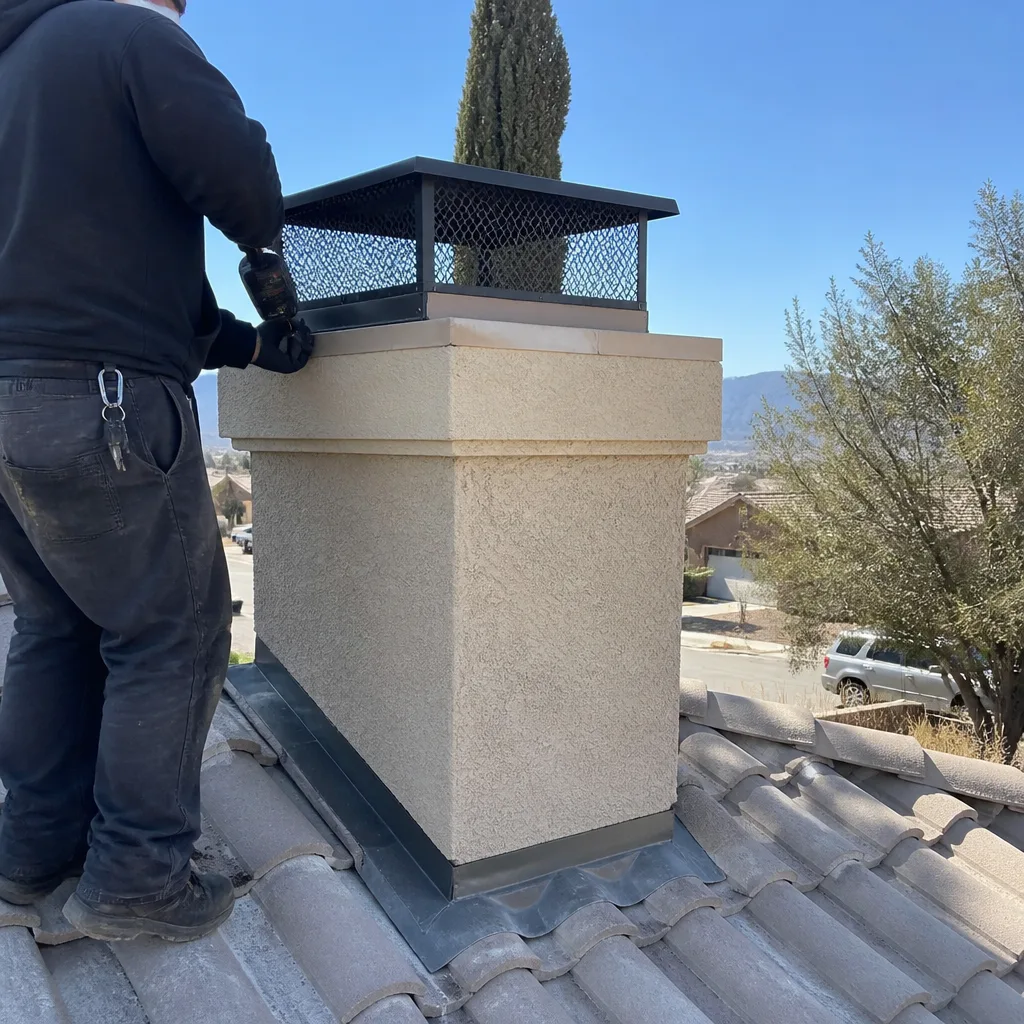
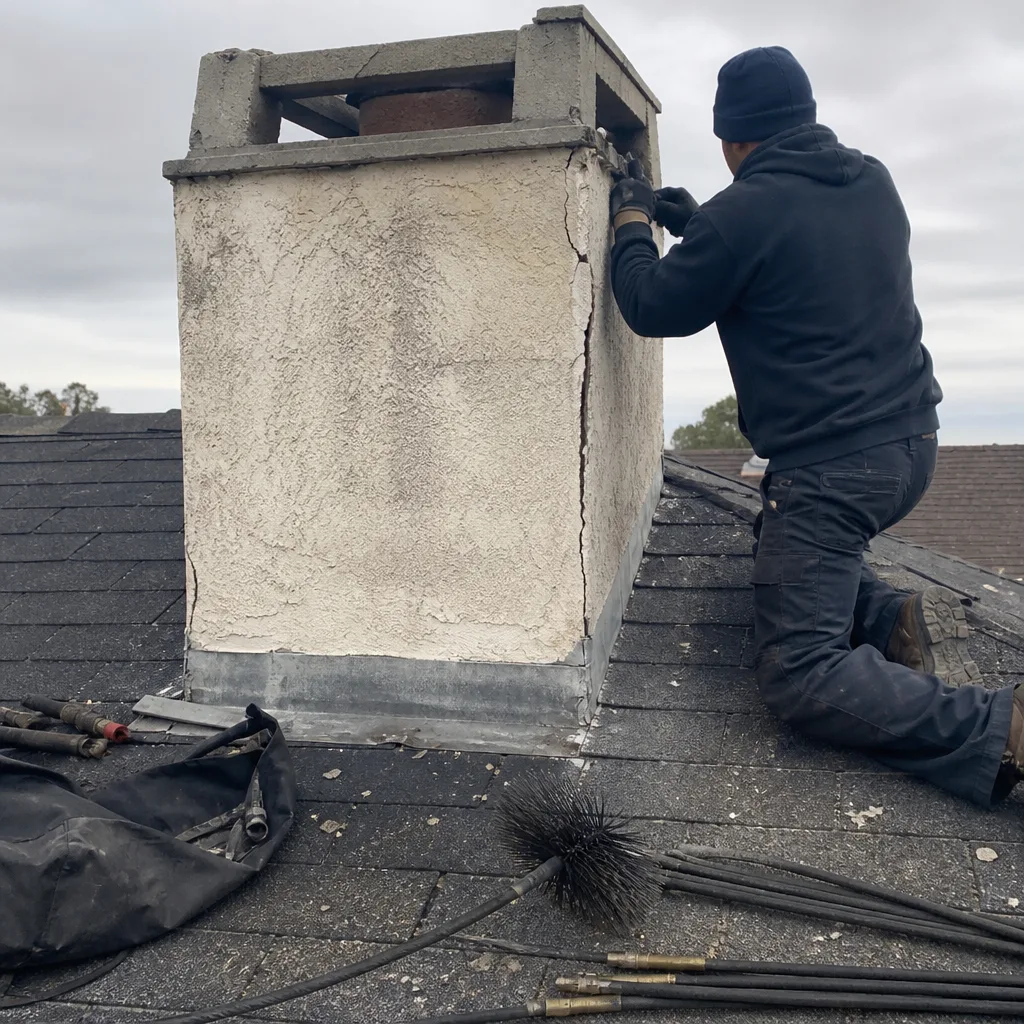
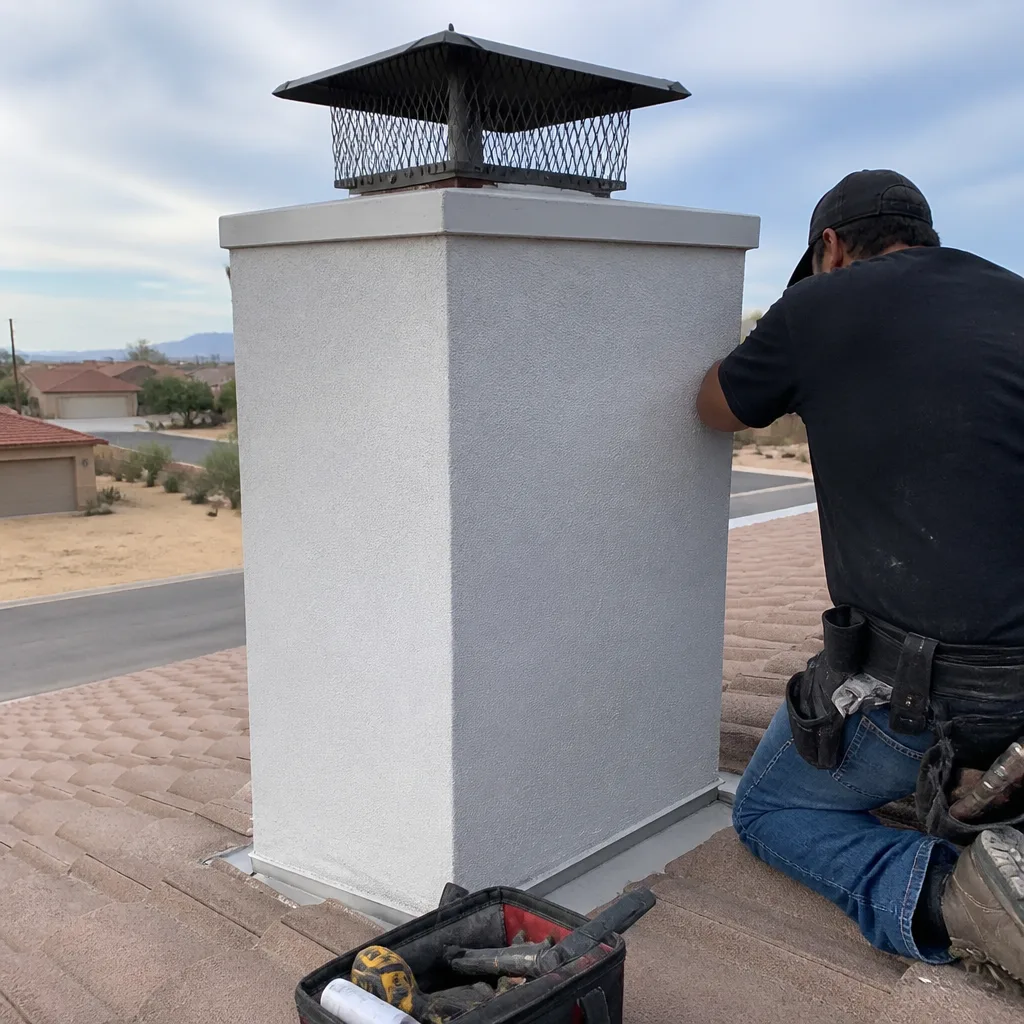
A report that says “cleaned and inspected, no issues” without specifics is a sign the inspection was cursory. A proper report gives you enough detail to make an informed decision about repairs, and the photos back up the written word. That is the standard we work to on every Hesperia job – you should be able to see what we saw.
See the difference
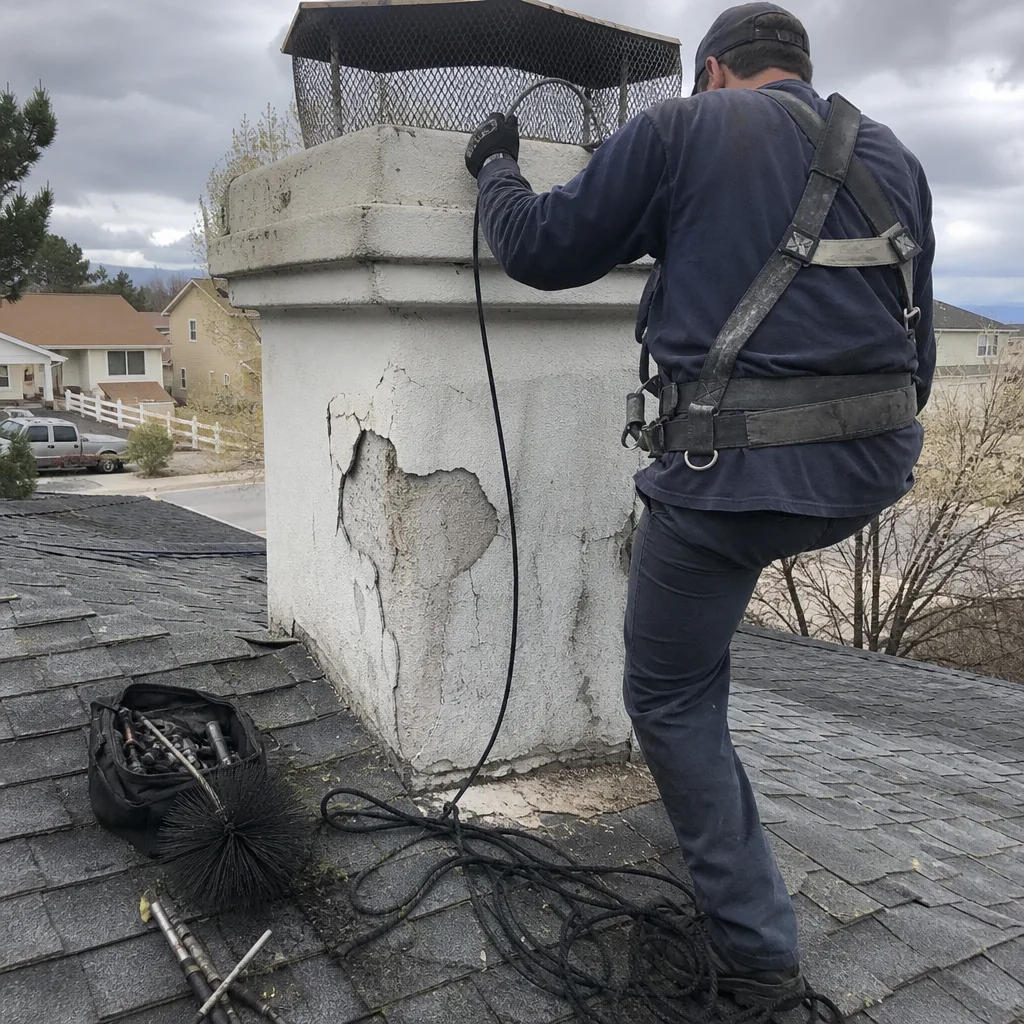 Before
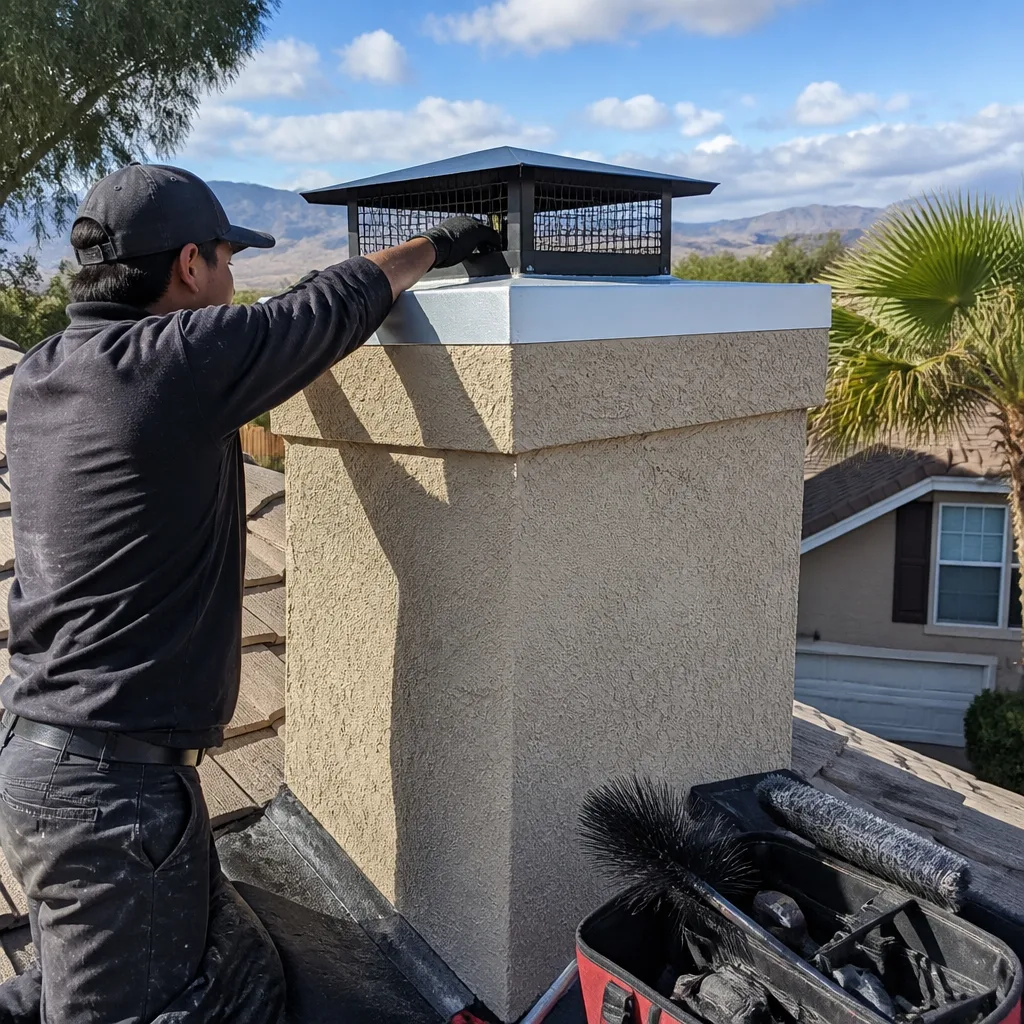 After
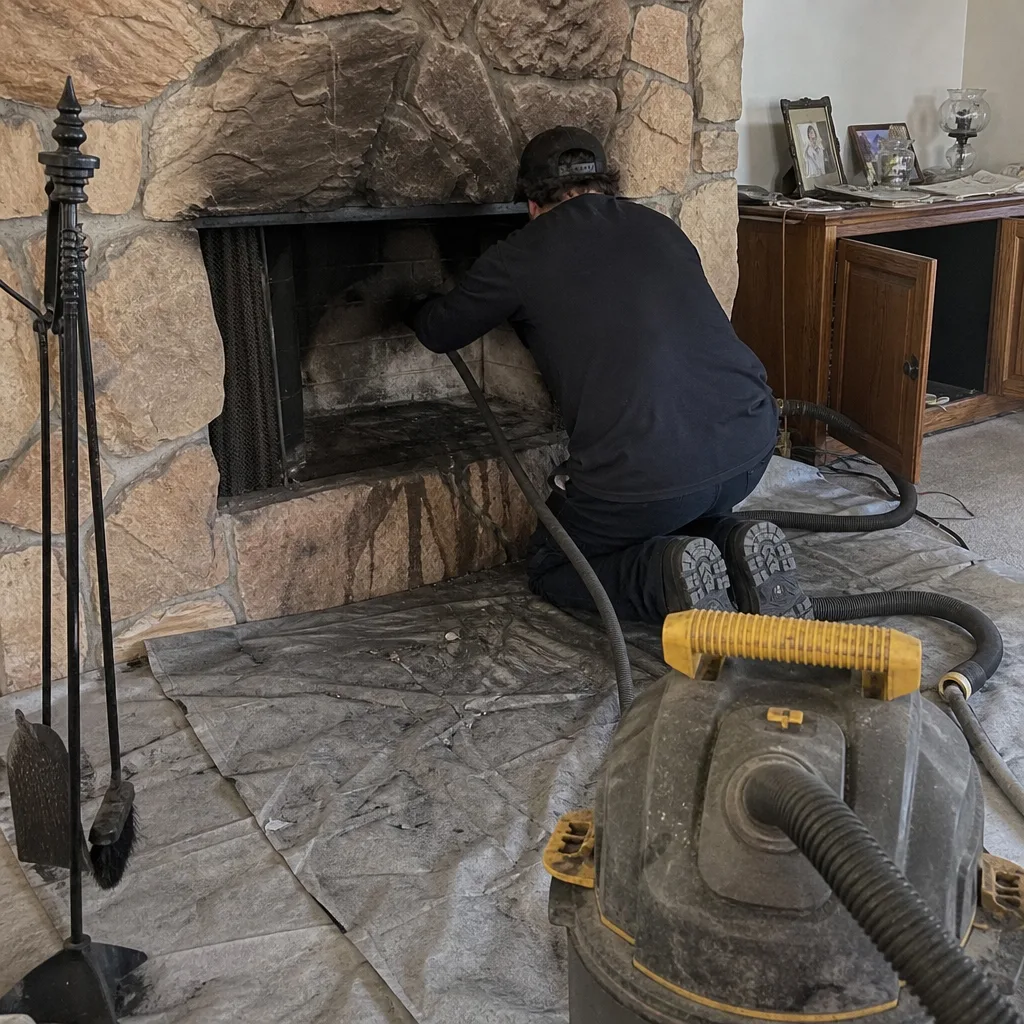 Before
 After
 Before
 After
Chimney Repair vs Replacement: How to Decide
Eventually, every Hesperia chimney faces the question: repair or replace? The answer depends on the scope of the damage and the age of the structure.
Repair makes sense when:
- Damage is limited to specific flue sections, and HeatShield resurfacing can seal them.
- Mortar joints need tuckpointing, but the bricks themselves are sound.
- The crown is cracked but the chimney structure is stable.
- The liner is intact but the cap and spark arrestor are failing.
Full replacement or rebuild makes sense when:
- The chimney has shifted, bowed, or separated from the house.
- Flue damage is extensive and runs the full height of the chimney.
- Water intrusion has deteriorated the brick and mortar to the point of structural compromise.
- An earthquake has displaced masonry and the chimney no longer meets code.
When repair is viable, it is almost always cheaper. A HeatShield resurfacing job typically costs a fraction of a full liner replacement, and a DuraFlex reline costs less than a full chimney rebuild. The key is a camera inspection that shows the actual extent of damage, not a guess. That is why we never quote a repair from the ground. We look inside first.
When to Call a Professional
Some home maintenance tasks are DIY-friendly. Chimney work is not one of them. The risks are too high: structural damage hidden from view, carbon monoxide exposure, and chimney fires that can destroy a home. If you notice any of these signs, schedule an inspection rather than waiting:
- Visible smoke spilling into the room during normal use.
- Strong creosote odor, even when the fireplace is not in use.
- White staining (efflorescence) on exterior brick, indicating water intrusion.
- Cracked or missing bricks on the chimney exterior.
- Loose or hanging chimney cap.
- Seasonal animal activity – birds nesting, raccoons, squirrels in the flue.
Chimney Sweep Hesperia offers free estimates in Hesperia. Call (855) 382-8016 to discuss what you are seeing, and we will tell you whether a sweep, a repair, or a full inspection is the right next step.
Frequently Asked Questions
A standard chimney sweep in Hesperia typically costs between $180 and $340, depending on flue size, creosote condition, and roof accessibility. Stage 3 glazed creosote removal, which is common in the high desert due to low humidity, adds chemical treatment time and can push the cost toward the higher end. For an exact quote on your chimney, call (855) 382-8016 – estimates are free.
At least once per year before the burning season, which in Hesperia means September or October for most homeowners. Homes that burn more than two cords per season, use softwood like pine or juniper, or rely on a wood stove as primary heat should be inspected more often. The desert climate forms glazed creosote faster than humid regions, so annual sweeps here are a minimum, not a luxury.
Yes. Gas fireplaces do not create creosote, but they still require annual inspection of the venting system, burner function, and combustion air supply. Carbon monoxide is odorless and invisible, and a blocked or deteriorating vent on a gas insert is a serious safety risk. The inspection is also when we check for moisture intrusion, cap damage, and flue obstructions like bird nests.
In Hesperia, skipping a year means creosote has had a full cycle of heating and cooling to bake into a hard glaze, which cannot be removed with a standard brush. Two years of skipped sweeps raises the profile of a chimney fire significantly. The specific risk depends on how much you burn and what you burn, but the penalty for under-maintenance in a dry climate is consistently worse than in coastal areas.
In most cases, the diagnosis happens during the sweep, and the repair is scheduled separately because materials and preparation differ. We carry DuraFlex liners and HeatShield resurfacing equipment, so the repair can often be completed within days rather than weeks. The advantage of working with a company that handles both cleaning and repair is that the findings from your sweep feed directly into a repair plan without a second inspection by a different contractor. For more guides & resources, see our blog.
Yes, and they should. Dryer vent fires are one of the leading causes of residential structure fires in the U.S., and Hesperia’s low humidity dries lint into brittle, highly flammable material faster than most climates. We treat dryer vent cleaning as a core service alongside chimney work. If your dryer is taking longer than one cycle to dry clothes, the vent likely needs attention. Call (855) 382-8016 to schedule both services in one visit.
Key Takeaways for Hesperia Homeowners
- Hesperia’s 40-degree daily temperature swings crack mortar joints faster than coastal climates, making annual inspections essential.
- Low humidity bakes creosote into stage 3 glaze within a single season; removal requires chemical treatment and rotary tooling, not just brushing.
- September and October are the smart sweep months, before burning season and after the worst of wildfire season.
- Santa Ana winds create draft problems that mimic a dirty chimney but are actually structural, requiring a different fix.
- Level 2 camera inspections are required for real estate transactions and recommended after any earthquake or chimney fire.
- DuraFlex flexible liners handle offset flues without demolition; rigid stainless suits straight flues; HeatShield resurfacing can save a liner that is not fully failed.
The Bottom Line
A chimney in Hesperia is not the same as a chimney in Santa Monica or San Bernardino. The high desert’s temperature swings, dry air, and wind patterns create a unique set of failure modes that generic guides miss. Homeowners who understand those failure modes – glazed creosote, cracked mortar, Santa Ana draft reversal – can make smarter maintenance decisions and avoid the worst outcomes: chimney fires, carbon monoxide exposure, and five-figure rebuilds. The solution is simple: a professional sweep every year, a Level 2 inspection when the situation calls for it, and a repair plan when the camera finds damage. One call to a company that sweeps, repairs, and cleans dryer vents covers the full fire-safety picture for a Hesperia home.
Chimney Sweep Hesperia home | Chimney Sweep in Hesperia | Dryer Vent Cleaning in Hesperia | Chimney Repair in Hesperia
Written by the team at Chimney Sweep Hesperia, serving Hesperia since 2014.