
Last updated November 2, 2026
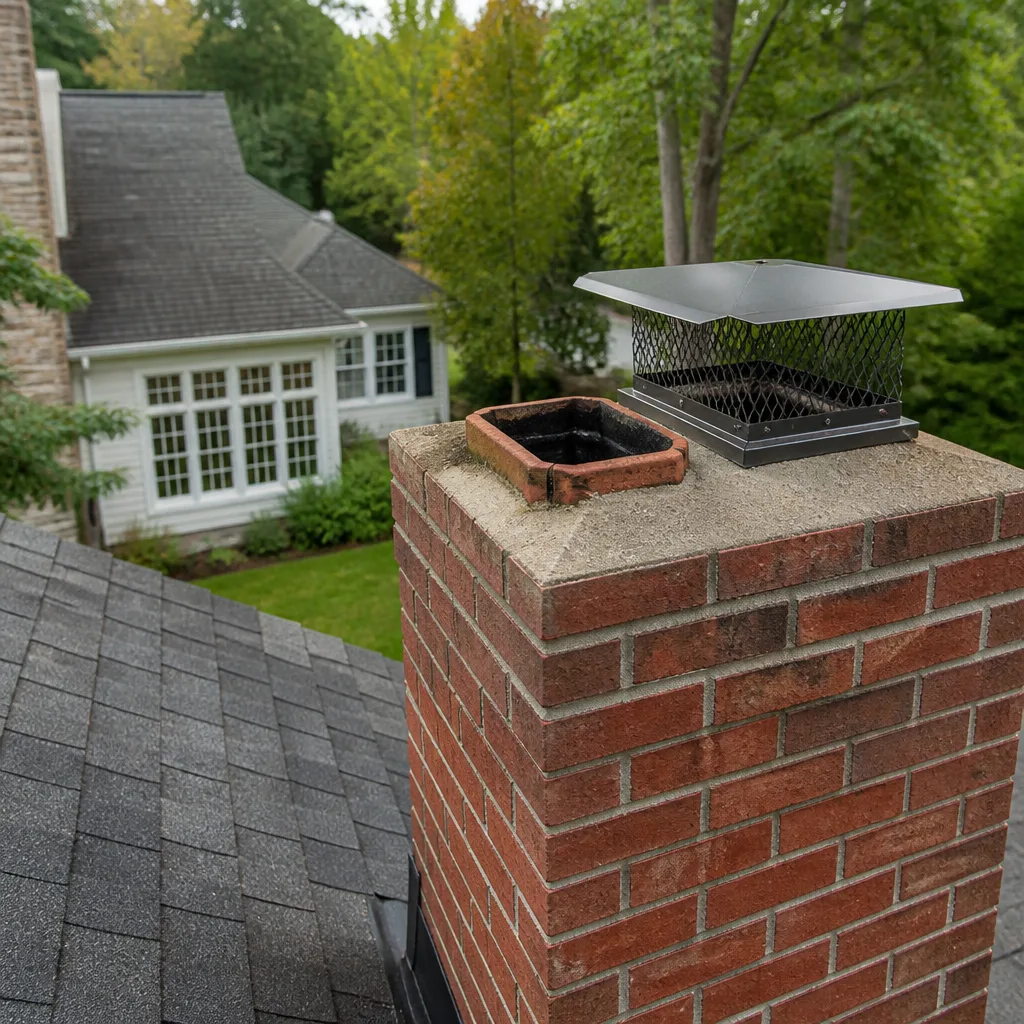 Sweep & inspection
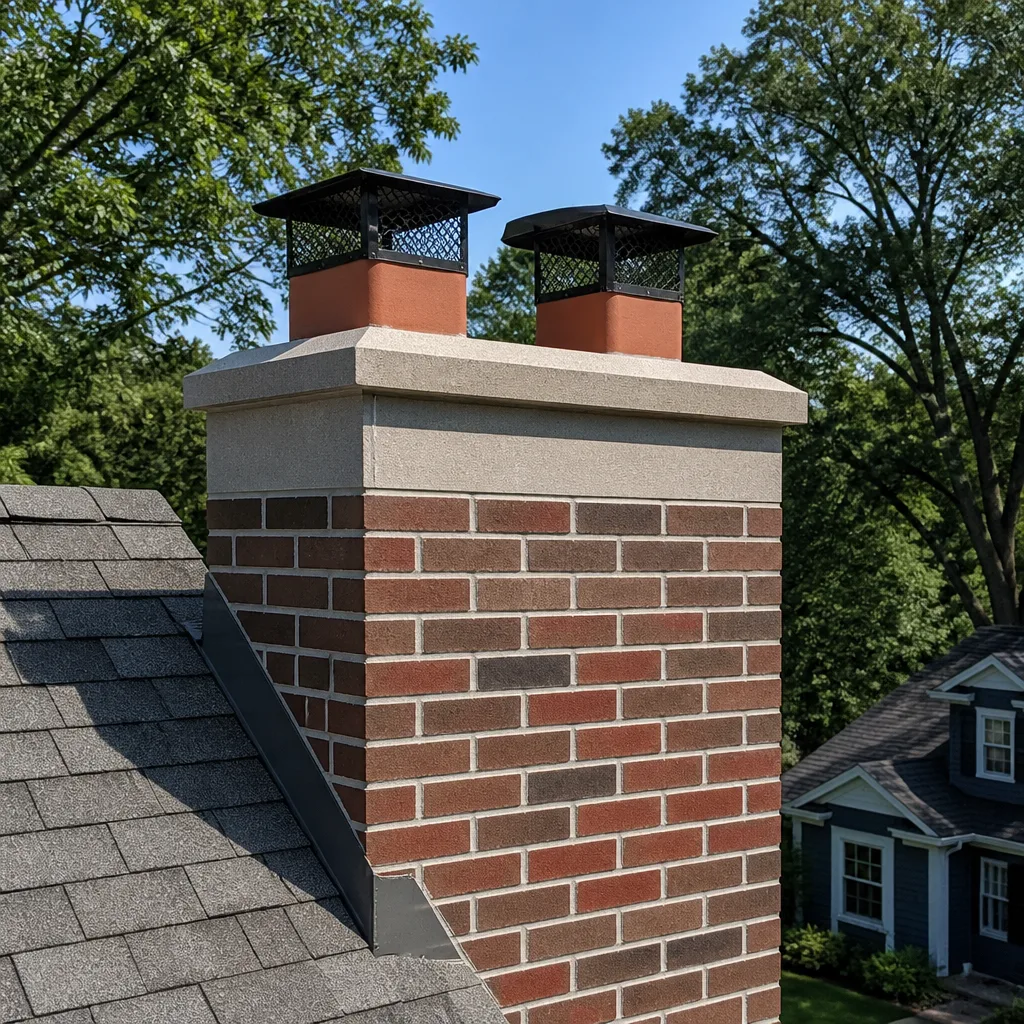 Caps & crowns
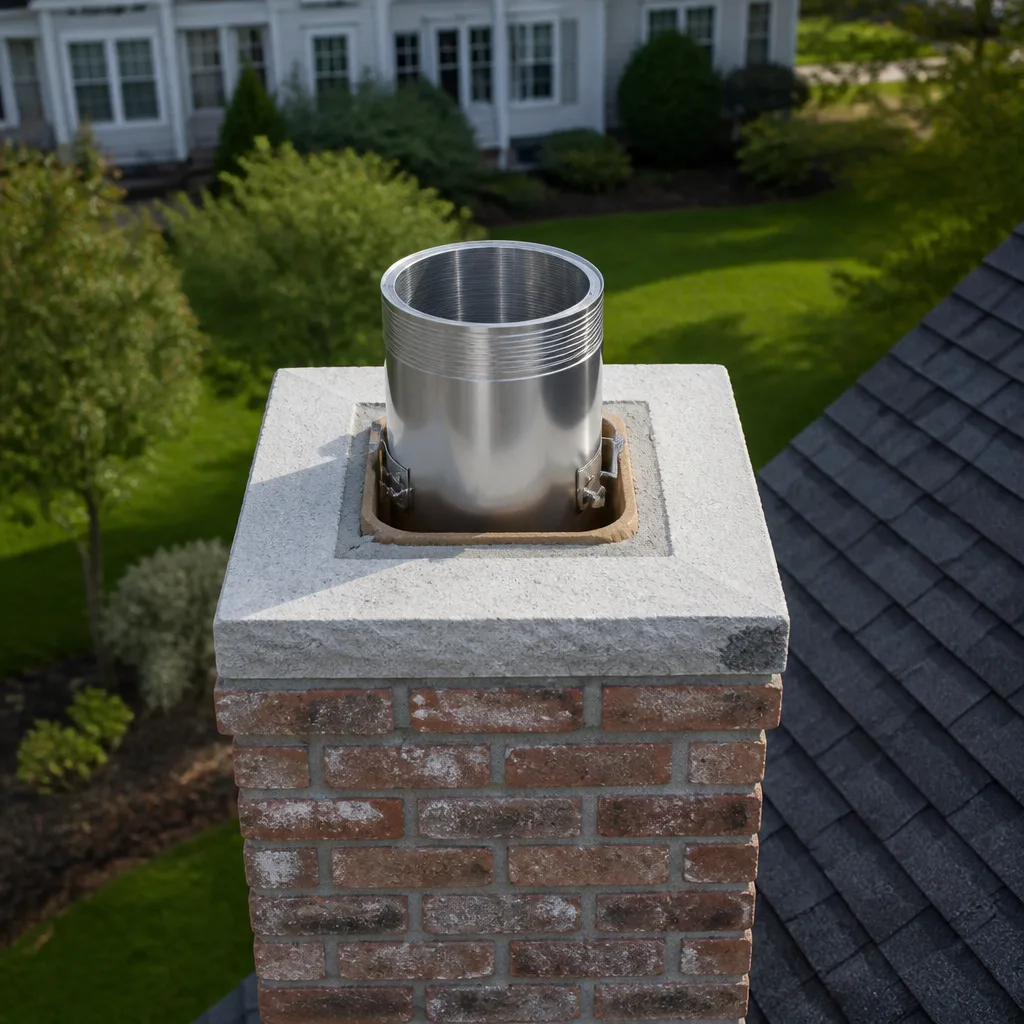 Flue relining
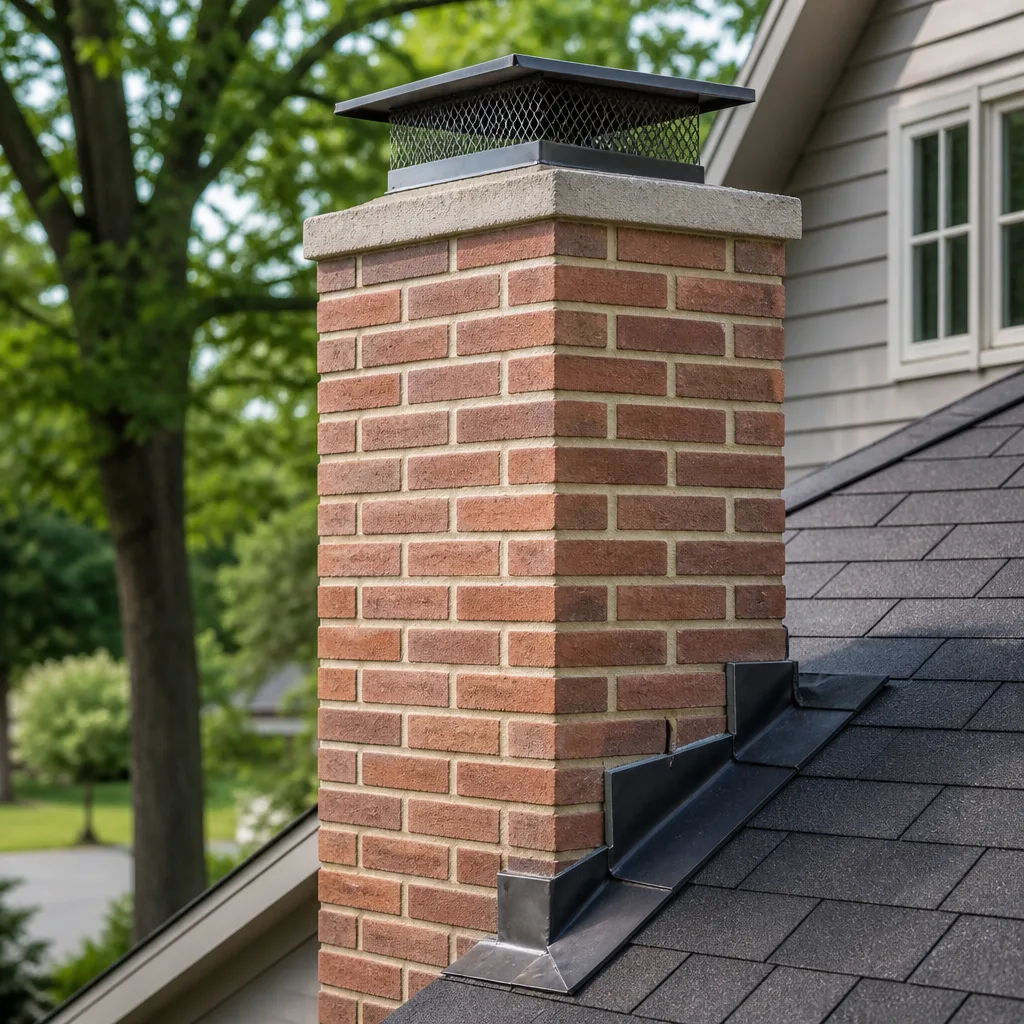 Masonry repair
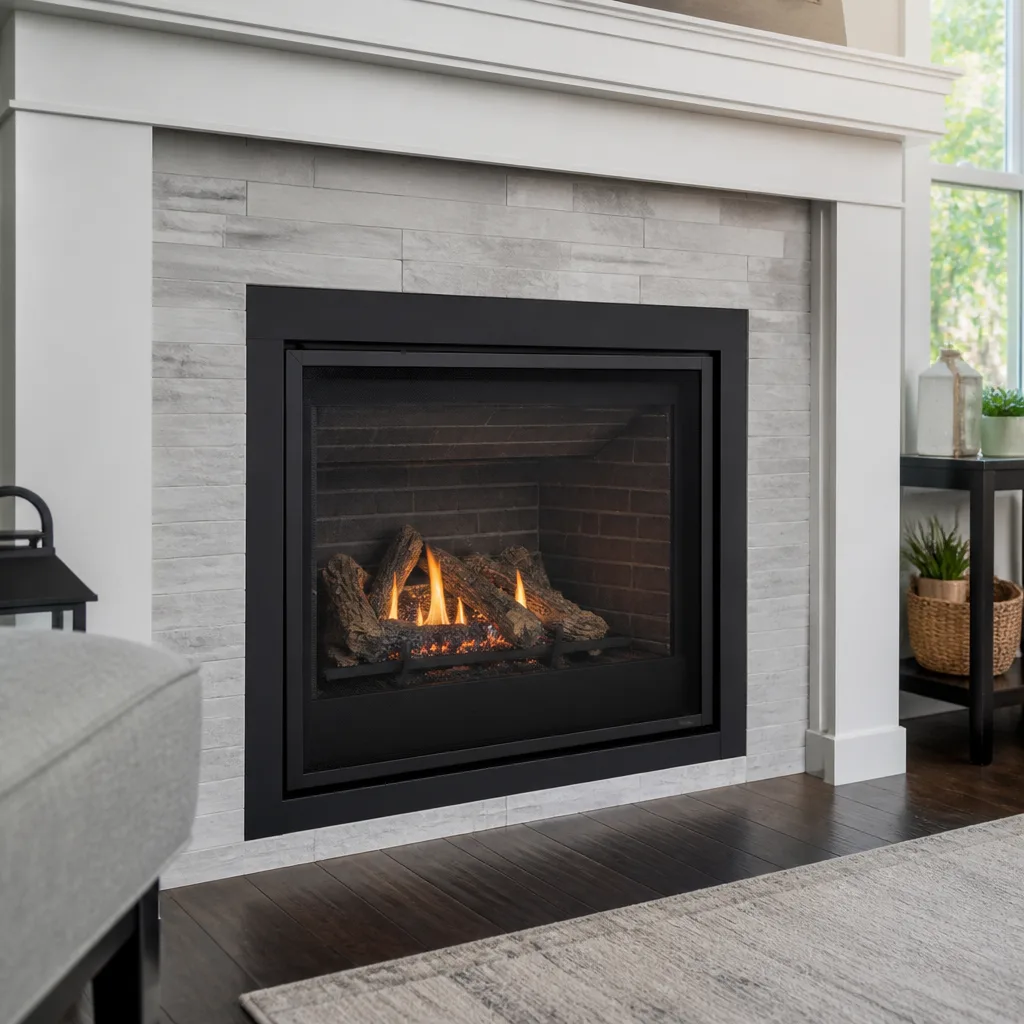 Gas fireplace service
Level 1 sweep and inspection to the NFPA 211 annual standard - flue, crown, cap, and flashing checked and photographed
Chimney sweep logs do not sweep chimneys. They loosen some creosote - which then falls where a brush and vacuum still have to collect it.
Chimney Cleaning Emergency Preparedness Guide for Hesperia Homes
A chimney fire burns at roughly 2,000°F inside your flue. Most prefabricated chimney systems in Hesperia are rated to 1,700°F. That 300-degree margin is not a safety buffer; it’s the difference between a contained flue event and a structure fire that spreads into your attic. Most homeowners assume a chimney fire is something that happens to other people, but the conditions that cause them, creosote buildup, damaged flue liners, and ember intrusion, are present in thousands of chimneys across the High Desert right now. This guide and our Chimney Cleaning Warning Signs: A Hesperia Homeowner’s Reference Guide explain what chimney fire preparedness actually looks like in Hesperia, from the first 90 seconds of an active fire to the paperwork you’ll need for an insurance adjuster afterward. Because the time to prepare for a chimney emergency is not when you hear the roar.
Quick Answer
Chimney cleaning emergency preparedness in Hesperia means maintaining a creosote-free flue, installing and maintaining a proper chimney cap with ember screening, keeping inspection documentation on file for insurance, and knowing exactly what to do in the first 90 seconds of a chimney fire, which starts with calling 911 and closing the damper if you can safely reach it. The single most effective preventive step is an annual Chimney Sweep in Hesperia inspection and cleaning that catches creosote accumulation before it becomes fuel. Hesperia’s wildfire season adds a second emergency vector that most chimney guides ignore: ember intrusion through damaged or missing caps during red flag events.
Styles & brands we work with
- Sweep & inspection
- Caps & crowns
- Flue relining
- Masonry repair
- Gas fireplace service
Table of Contents
- The Anatomy of a Chimney Fire: What’s Actually Burning
- The First 90 Seconds: What to Do When You Hear the Roar
- Hesperia’s Dual Threat: Wildfire Ember Intrusion
- Post-Fire Protocol: What Happens After the Flames Are Out
- What to Tell Your Insurance Adjuster
- Emergency Cap and Screen Replacement: Temporary vs. Permanent
- Annual Preparation: The Maintenance Calendar That Prevents Emergencies
- Common Mistakes to Avoid
The Anatomy of a Chimney Fire: What’s Actually Burning
When we talk about chimney fires in Hesperia, we’re talking about creosote. That’s the tar-like residue that condenses on flue walls when wood smoke cools too quickly. It forms in three stages: a flaky soot, then a granular deposit, then a hard, shiny glaze that can be an inch thick. Stage three creosote is concentrated fuel. It burns at temperatures hot enough to crack clay flue tiles and warp stainless steel liners.
What most homeowners don’t realize is that a chimney fire does not always announce itself. There are two types. A slow-burning chimney fire smolders at lower temperatures but can last for hours, quietly compromising the flue structure. A free-burning chimney fire is the dramatic one: it sounds like a jet engine or a freight train, with visible flame shooting from the chimney cap and dense smoke pouring out. Both types cause real damage. Both require a professional inspection before the fireplace is used again.
In our work across Hesperia, from the older homes near Main Street to the newer construction in Ranchero Heights, we see the same pattern repeatedly: homeowners who burn soft woods like pine or juniper because it’s cheap and abundant in the High Desert. Soft woods produce more creosote per cord than hardwoods. Combine that with the cool desert nights that cause rapid smoke condensation in flues, and you have a region that generates creosote faster than coastal climates do. That’s not a reason to stop burning. It’s a reason to follow a Chimney Sweep Maintenance Checklist for Hesperia Homeowners and clean more deliberately.
Something else worth knowing: gas fireplace inserts are not immune to this conversation. A gas insert installed into a wood-burning chimney without a proper liner creates its own set of risks, including acidic condensation that eats through masonry from the inside. The fire may be gas, but the chimney is still a chimney. The same inspection standard applies.
The First 90 Seconds: What to Do When You Hear the Roar
Here’s the direct answer, because in an emergency nobody has time to read paragraphs.
- Call 911 immediately. Do not wait to see if it settles down. A chimney fire is a structure fire until proven otherwise, and the Hesperia fire department responds to these calls regularly. They would rather respond to a contained flue fire than a fully involved attic fire thirty minutes later.
- Close the damper immediately if you can reach it without burning yourself. Cutting off the air supply starves the fire. This is the single most effective action a homeowner can take in a chimney fire.
- Close the glass doors on the fireplace if you have them. This further limits airflow and keeps sparks from popping into the room.
- Get everyone out of the house. Do not stay inside to monitor the situation. Meet at your designated emergency meeting point and wait for the fire department.
- Do not use water. Water inside the flue can turn to steam explosively and crack the masonry. Let the professionals handle suppression.
One thing we hear from homeowners who’ve been through this: the sound is unforgettable. It’s a deep-throated rumble, like a freight train, and it seems to come from everywhere at once. If you hear that sound and there’s no train track within miles, assume chimney fire. In Hesperia, the BNSF line runs through the north side of town, so some residents have told us they initially dismissed the noise. Don’t. A chimney fire is louder than any train passing three blocks away, and it’s coming from inside your house.
What most people don’t think about until after the fact: once the fire is out, do not light another fire until the chimney has been inspected. Even if the fire department tells you it looks okay from the outside, the damage is on the inside, where flue tiles may have cracked or the liner may have warped. We’ll cover that more in the post-fire section below.
Hesperia’s Dual Threat: Wildfire Ember Intrusion
Hesperia sits in a wildland-urban interface zone. That’s the official term for a place where homes butt up against undeveloped, fire-prone land. The hills around the Cajon Pass, the open scrub near the Mojave River, the undeveloped parcels throughout the Mesa, all of it burns. And when it burns, it produces embers that travel. A single ember can fly a mile on a Santa Ana wind and land directly on your roof, in your gutter, or, critically for this guide, through your chimney cap.
A missing or damaged chimney cap with a torn screen is an open invitation during a wildfire. The opening of a standard chimney is large enough for a fist, which means it’s large enough for dozens of wind-driven embers. Those embers drop down the flue and land wherever creosote has accumulated or wherever a bird has built a nest. From there, you have an attic fire that starts from the inside of your chimney chase, one of the most difficult fires to detect in its early stages.
This is why we consider chimney cap maintenance a fire preparedness issue, not a cosmetic one. The cap is not a decoration. It’s the first line of defense between your home and a red flag warning. The screens should be intact, with no gaps larger than 5/8 of an inch, which is the standard that prevents ember intrusion while still allowing proper draft. Caps from brands like Gelco and Olympia Chimney are built specifically for this dual purpose: keeping out water, animals, and airborne embers while letting the chimney breathe.
Here’s the Hesperia-specific reality. Our wildfire season now extends far beyond the traditional late-summer window. The 2016 Blue Cut Fire burned over 36,000 acres just west of Hesperia in August. The 2020 Apple Fire threatened the Oak Hills area. Wind-driven fire events happen in October and November now, too, when Santa Ana winds are strongest. That means the prep window for wildfire-related chimney risk is essentially year-round. If your cap was damaged during a winter storm, you don’t have until fall to fix it. You have until the next red flag warning, which could be any month.
We’ve seen chimneys in Hesperia where the cap had been missing for years and the homeowner had no idea. The fireplace worked fine, so they assumed everything was fine. That’s the dangerous part of chimney systems: the failure modes are silent and invisible until they’re catastrophic. A missing cap doesn’t stop your fireplace from working. It just leaves a hole in your roof that’s perfectly sized for ember intake.
Post-Fire Protocol: What Happens After the Flames Are Out
Whether the fire was inside your chimney or a nearby wildfire that never touched your house, the post-fire protocol is the same, and it’s governed by NFPA 211, the national standard for chimney systems. The document is clear: after any chimney fire or any external event that could have compromised the chimney structure, you need a Level 2 inspection before the system is used again. See our guide to Chimney Cleaning Permits, Codes & Inspections in CA: What You Need to Know for more on compliance.
A Level 2 inspection is not a visual glance up the flue. It includes video scanning of the entire flue interior, examination of the chimney exterior and attic penetration, and assessment of all accessible portions of the system. This is how we find hairline cracks in flue tiles that would be invisible to the naked eye. A cracked tile is an open path for flames and gases into the framing of your home. It’s not a “maybe” risk. It’s a documented fire path.
After a local wildfire, even if the flames never got closer than a mile, we recommend the same standard. Heat doesn’t need to touch your house to damage your chimney. The intense heat of a nearby wildfire can create thermal stress on masonry, especially if the chimney was already compromised. And embers don’t need a direct flame to do damage. A wind-driven ember field can drop thousands of small, burning particles across a neighborhood, and any one of them that finds a gap in your cap or screen has entered your system.
This is where the difference between a cleaning company and a repair company matters, and we’ll be direct about it. A chimney sweep who only sweeps can tell you what they found. They can hand you a list of problems and refer you to someone else. That someone else might be booked out for weeks, and meanwhile you’re sitting with a damaged chimney and a cold fireplace in November. Our approach is different: Chimney Repair in Hesperia is part of what we do, not a referral. When a Level 2 inspection reveals a problem, we can fix it. That single-call capability changes the post-fire timeline from weeks to days.
One more point that applies specifically to Hesperia and the High Desert: don’t wait for fire season to self-declare. The National Weather Service issues red flag warnings for our area with less notice than homeowners expect. If you know your chimney was exposed to a wildfire event, even a distant one, schedule the inspection immediately. The next red flag won’t wait for you to feel ready.
What to Tell Your Insurance Adjuster
If you’ve had a chimney fire, your insurance claim depends on documentation. Here’s what adjusters look for, and what you should have ready before they call.
The claim process works like this: the adjuster needs to determine whether the fire was caused by a sudden event or by long-term neglect. That distinction matters because most homeowner’s policies cover sudden events but deny claims arising from maintenance failure. The adjuster will ask for chimney records. What you want to be able to produce is a file that shows annual inspections and cleanings, performed by a professional, with documented findings and, ideally, photos or video from each visit. This is your primary defense against a denied claim.
If you’ve never had the chimney inspected and you’ve lived in the house for eight years, the adjuster will see that. And it will work against you. That’s not a threat, it’s just how insurance works. Documentation of routine maintenance turns a “neglected system” into a “maintained system that experienced a sudden event.” Those are very different claims in the eyes of an adjuster.
Here’s what to tell your adjuster after a chimney fire, in this order:
- The event timeline: when you noticed the fire, what you heard, what you did in the first 90 seconds, when the fire department arrived.
- The maintenance history: the date of your last inspection and cleaning, the name of the company, and the condition noted at that time.
- The current damage: let the Level 2 inspection speak for itself. This is why you schedule the inspection as soon as the fire department clears you, even before you call your insurance company. The inspection report is your evidence.
- The repair scope: what the inspection found, what repairs are required, and the cost estimate. Get it in writing.
We’ve worked with homeowners in Hesperia through this process, and the ones who come out whole are the ones whose chimneys had a documented history. The ones who struggle are the ones who can’t remember when the chimney was last touched. If you’re reading this before you’ve had an emergency, the best thing you can do today is schedule an inspection and start building that file. If you’re reading this after an emergency, schedule the Level 2 inspection immediately, before you talk to your adjuster. Let the evidence lead the conversation.
Emergency Cap and Screen Replacement: Temporary vs. Permanent
Suppose a Santa Ana wind event tears your chimney cap off or bends the screen enough to open a gap. The next clean wind could be a red flag event, and you need something in place before a permanent repair can be scheduled. What actually works, and what makes things worse?
The honest answer about temporary fixes: there aren’t many good ones. A chimney cap and screen perform three functions at once, keeping out water, animals, and embers. Most improvised coverings do one or two of those things and fail at the third. The most common temporary fix we see is hardware cloth or chicken wire stretched over the flue opening and secured with baling wire. It’s better than nothing for animal exclusion, and if the mesh is 5/8 inch or smaller, it provides some ember resistance. But it does nothing for water management, and most DIY installations are loose enough to fail quickly.
What we recommend: if a chimney cap fails in Hesperia and a permanent replacement can’t happen within a few days, the correct temporary measure is a stainless steel mesh screen with a 5/8-inch opening size, secured firmly to the flue, combined with a simple sheet-metal cover that overhangs the flue by at least two inches on all sides. The cover should be weighted or secured so it cannot blow off. This is not a perfect solution. It’s a stopgap that buys a week or two. But anything less leaves the flue open to embers, and during a red flag event, that’s an unacceptable risk.
What creates more risk: plastic sheeting. It melts. Duct tape. It fails within hours in High Desert sun and wind. A solid metal plate bolted over the flue without a screen. It stops embers but also blocks draft entirely, which means anyone who forgets and lights a fire is pushing smoke and carbon monoxide into the house. If you’re in doubt about a temporary measure, don’t burn at all until the permanent cap is installed.
For the permanent fix, we install caps from Gelco and Olympia Chimney, both built with stainless steel screens sized to block embers while maintaining proper draft. The right cap for a Hesperia home is one rated for high-wind conditions, because our seasonal wind patterns are brutal on lightweight caps. If your cap failed, the replacement should not be the same cheap model that was there before. Upgrade to something that’s built to survive a Mojave Desert wind season.
Here’s the sequence we recommend in Hesperia, specifically: if your cap fails, check the screen first. A torn screen is often the only failure point, and screen replacement is a same-visit repair. If the cap itself is gone, the whole unit needs replacement, and you’ll want it matched to your flue size and type. This is not a hardware store purchase. A cap that doesn’t fit properly is no better than no cap at all.
Annual Preparation: The Maintenance Calendar That Prevents Emergencies
The best emergency preparedness is the kind that prevents the emergency. That’s the core message of this guide, and it’s the one we repeat to every homeowner in Hesperia. Here’s the annual maintenance calendar we recommend, built around the High Desert’s actual seasons, with links to more guides & resources throughout.
Late summer (August through early September): Book your annual chimney inspection and cleaning. Yes, this is before burning season. That’s the point. Every chimney sweep in Hesperia gets busy starting in October. Booking in August gets you in before the rush, and it gives you time to address any findings before you need the fireplace.
Early fall (late September through October): If the inspection flagged issues, this is when repairs happen. This is also when you should clean your dryer vent, because fall and winter are peak dryer use seasons, and a clogged vent is a fire risk that escalates exactly when your heating and drying load increases.
Late fall (November): First fires of the season. Burn hot, clean fires. Use seasoned hardwoods. Avoid soft woods like pine, which are abundant in the High Desert but produce creosote at a much faster rate than oak or almond. If you can hear popping or sizzling, the wood is too wet.
Winter (December through February): Monitor buildup. If you burn regularly, check the flue visually every month. A flashlight and a mirror can reveal early-stage creosote before it becomes dangerous. If you see a shiny, tar-like glaze, stop burning and schedule a mid-season cleaning.
Spring (March through May): Post-season inspection. This catches damage from winter storms, including cap damage from wind, moisture intrusion from heavy rain events, and any cracks that opened due to thermal cycling. Spring is also a good time for a professional cleaning in Hesperia if you burned heavily during winter.
Early summer (June through July): Wildfire prep. Verify the cap and screen are intact. Clear debris from the roof and gutters. If you’re in a high-risk interface zone, consider this your final pre-fire-season check before the hot, windy months arrive.
Here’s an important point about the annual inspection and Hesperia’s climate. The High Desert’s extreme temperature swings, with summer highs over 100°F and winter lows below freezing, create thermal expansion and contraction cycles in your chimney masonry. Over time, this causes micro-cracks that expand into real cracks. Those cracks don’t exist on the coast, where the temperature range is narrow and moderate. Your chimney in Hesperia ages faster than a chimney in San Diego. That’s not dramatic, it’s physics. And it’s why annual inspection matters more here than in milder climates.
The second point: seasonal burning in Hesperia is heavier than in most of Southern California. Our winters are cold, and many homes rely on wood heat as a primary or supplemental source. Average winter lows hover around freezing, and it’s not unusual to see nights in the low 20s. That means your chimney might see 100 fires in a season. A chimney that sees 100 fires a season needs annual cleaning, no exceptions.
Common Mistakes to Avoid
- Burning pine because it’s cheap and local. Pine and juniper dominate the High Desert fuel market because they’re abundant and inexpensive. They also produce significantly more creosote than hardwoods. If you burn pine, you need more frequent cleaning, not less. The savings on fuel should be partially reinvested in chimney maintenance.
- Assuming a gas fireplace doesn’t need chimney service. Gas inserts vent through the same chimney structure as wood fires. Condensation, debris, and animal intrusion still happen. The inspection interval doesn’t change just because the fuel changed.
- Ignoring a missing or damaged chimney cap because “it still works fine.” The fireplace will work without a cap. That’s the trap. A missing cap is a fire risk, a water intrusion path, and an animal entry point all at once, and none of those problems announce themselves until they’re expensive or dangerous.
- Waiting until October to schedule a cleaning. Every chimney sweep in Hesperia is booked through November by early October. Waiting until you feel the first cold night means waiting weeks longer for service, or burning with an uncleaned chimney because you can’t get on the schedule.
- Skipping the post-wildfire inspection because “the fire didn’t reach the house.” Embers don’t need the fire to reach your house. They travel independently. If a wildfire burned within a few miles and the wind was blowing toward your home, the inspection is not optional.
- Hiring based on price alone for chimney work. The cheapest sweep in Hesperia might be fine. Or they might be a handyman with a brush who doesn’t carry inspection cameras, doesn’t know the NFPA 211 standards, and can’t repair what they find. The cost difference between a professional sweep and a discount clean is smaller than the cost of the chimney fire the discount clean missed.
- Keeping no documentation of maintenance. If you ever have a chimney fire and file an insurance claim, your maintenance history is your primary piece of evidence. A file folder with dated inspection reports is worth more than any verbal assurance that “we always kept it clean.”
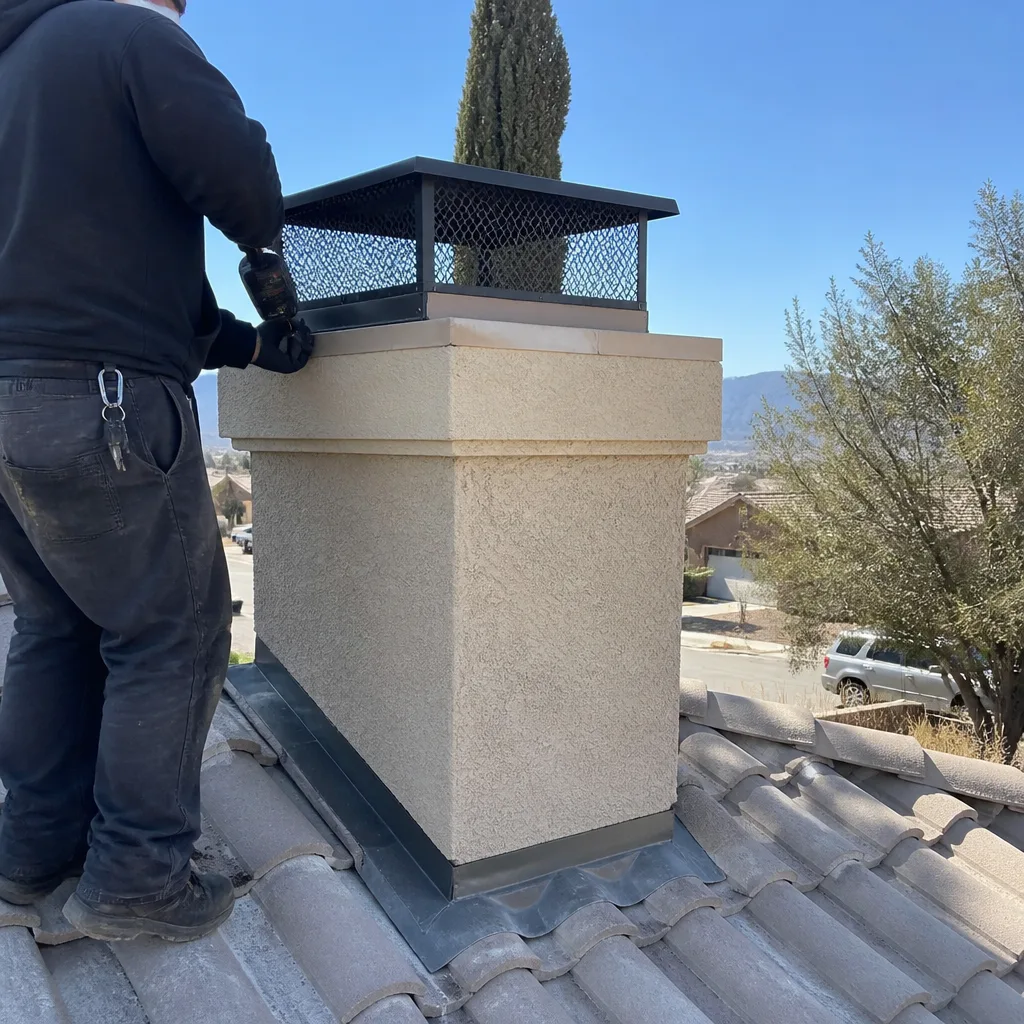
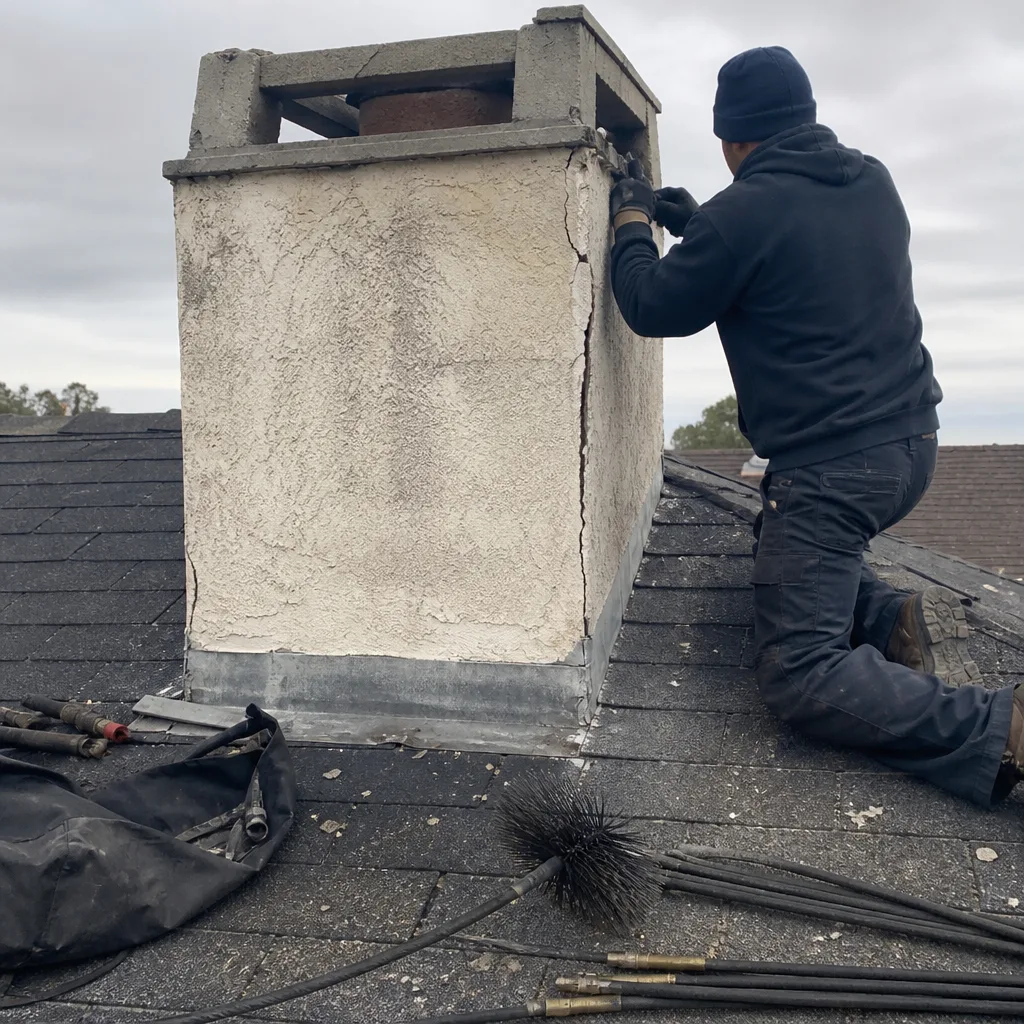
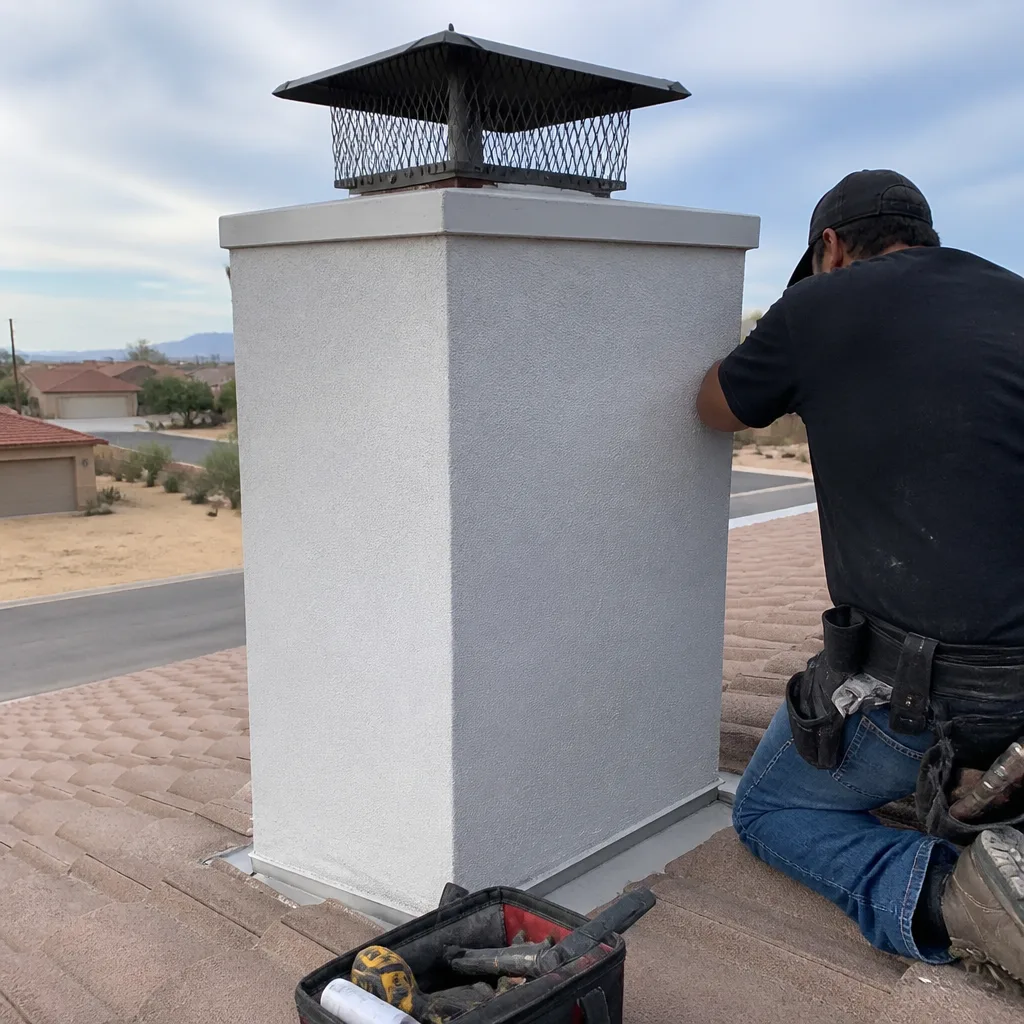
See the difference
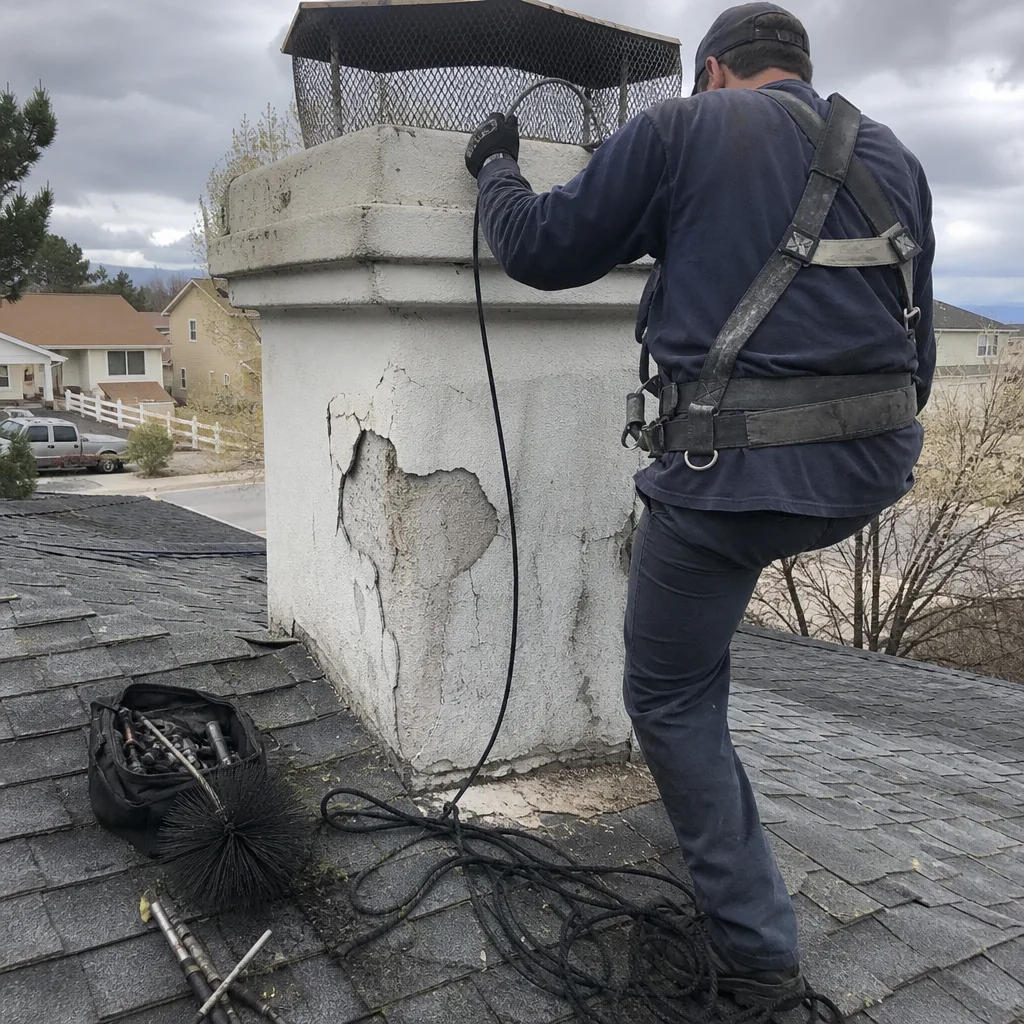 Before
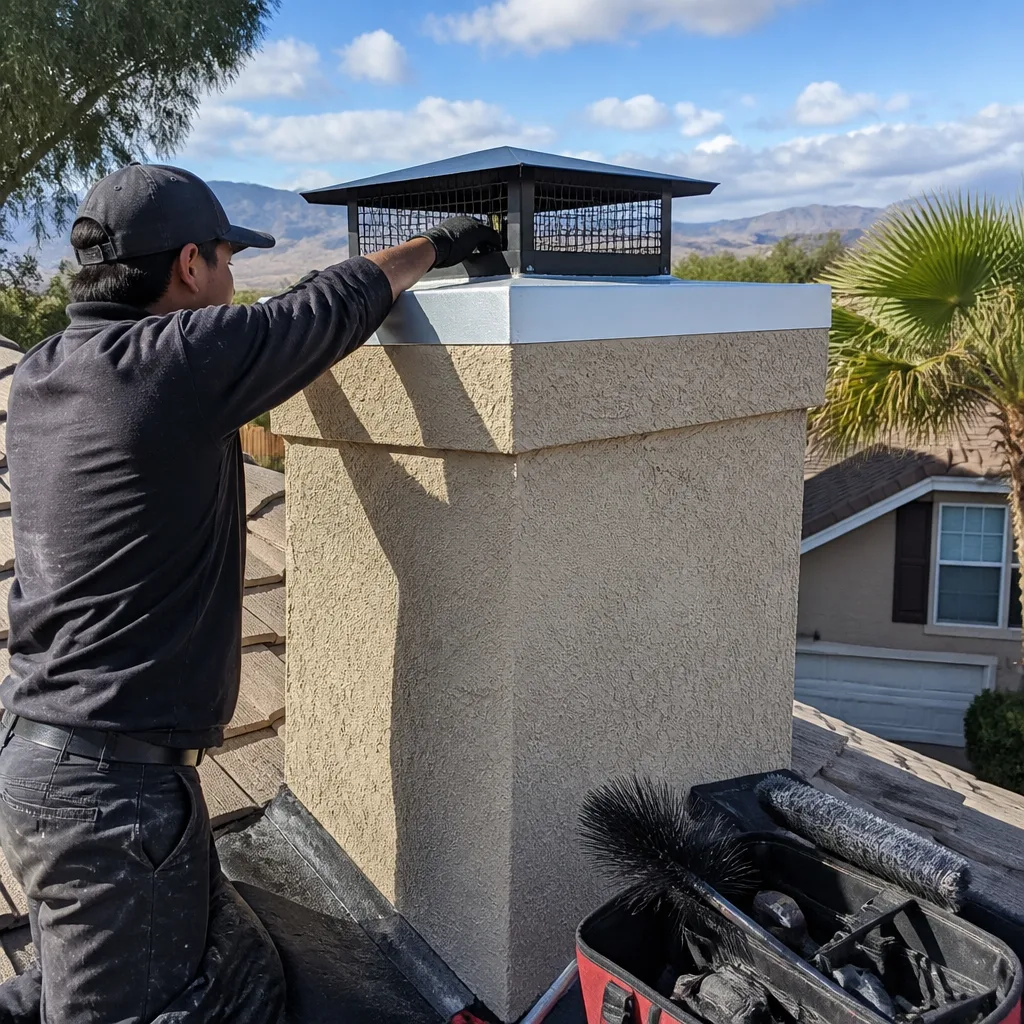 After
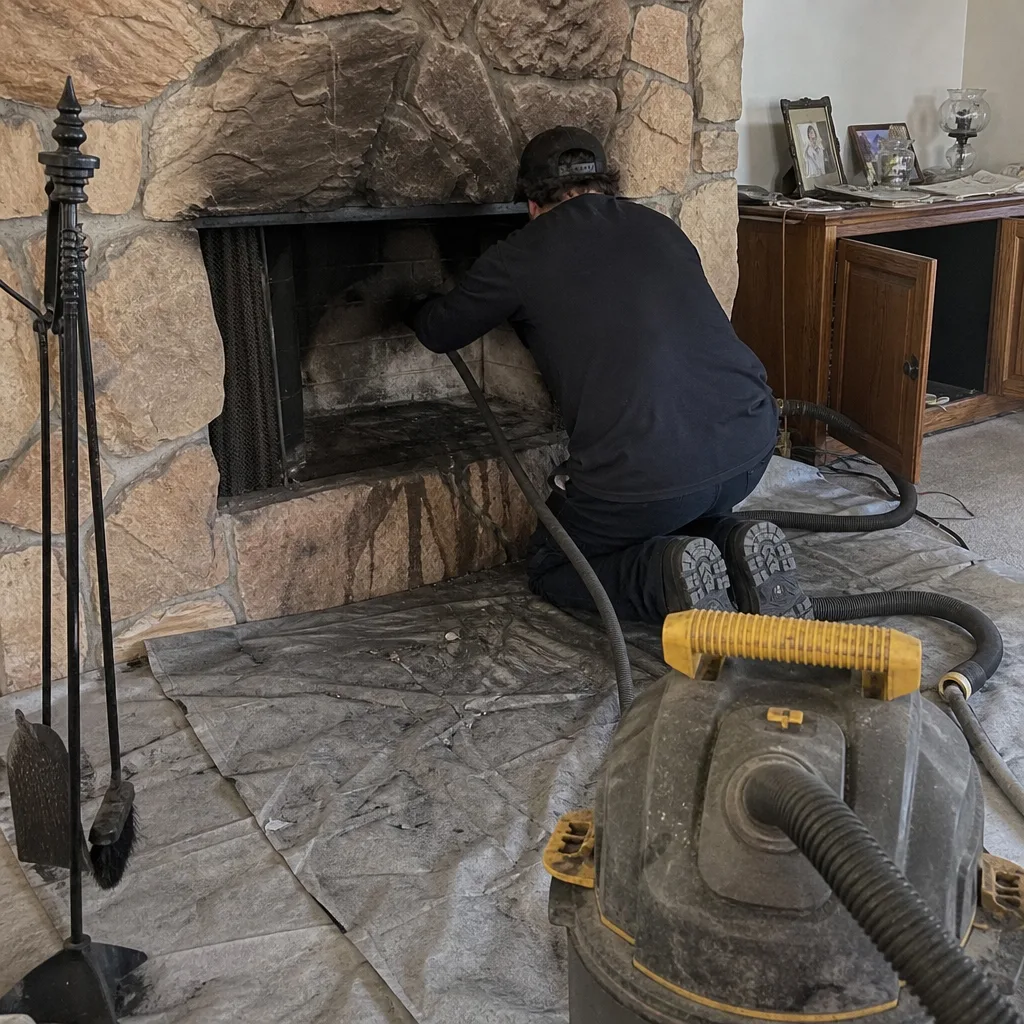 Before
 After
 Before
 After
When to Call a Professional
You should call a professional in Hesperia if you hear a roaring sound from your chimney, see visible flame from the cap, or notice dense black smoke pouring out. Those are emergency indicators. You should also call if your home was exposed to a nearby wildfire, even if the flames never touched your property, because ember intrusion through the cap is a real fire path that requires a Level 2 inspection to rule out. Beyond emergencies, call if you haven’t had an inspection in over a year, if you see stage-three creosote (shiny, tar-like glaze) inside your flue, if your cap or screen is damaged, or if your dryer vent hasn’t been cleaned in more than two years. Chimney Sweep Hesperia offers free estimates in Hesperia. Call (855) 382-8016 to schedule an inspection or discuss a specific concern. Our Chimney Sweep Hesperia home page has the full scope of services.
Frequently Asked Questions
A chimney fire typically announces itself with a loud roaring or rumbling sound, like a freight train passing close to the house, accompanied by visible flame shooting from the chimney cap and thick smoke. If you hear that sound from your chimney, close the damper, call 911, and evacuate the house. Do not wait to confirm it’s a fire. Treat it as a structure fire until the fire department says otherwise.
In Hesperia, an annual cleaning is the minimum for any chimney that sees regular use. The High Desert’s cold winters mean heavy seasonal burning, and the local abundance of soft woods like pine accelerates creosote accumulation. If you burn pine regularly, you may need cleaning every 50 to 70 fires rather than annually by calendar. A professional inspection will tell you where you stand.
A chimney fire at 2,000°F can crack clay flue tiles, warp stainless steel liners, and compromise the mortar joints between tiles. The damage is often invisible from the outside, which is why a Level 2 inspection with video scanning is required after any chimney fire before the system is used again. Running a fire through a damaged flue puts flames and gases in direct contact with the home’s framing.
Yes. A wind-driven ember from a wildfire can travel over a mile and enter a chimney through an unblocked or inadequately screened flue opening. Once inside, the ember can ignite accumulated creosote or bird nesting material inside the chimney. This is why a properly fitted chimney cap with 5/8-inch or smaller screening is essential for homes in Hesperia’s wildland-urban interface zones.
A Level 2 inspection, as defined by NFPA 211, includes a video scan of the entire flue interior, examination of the attic and crawlspace penetration, and assessment of all accessible portions of the chimney system. It’s required after a chimney fire, after a change to the appliance or fuel type, and after any event, like a nearby wildfire or an earthquake, that could have damaged the chimney structure.
Yes. Gas fireplaces and inserts produce acidic condensation that can deteriorate masonry from the inside, and they still accumulate debris, animal nests, and blockages. A gas chimney inspection typically focuses on the venting system’s integrity and the condition of the liner. The inspection schedule for a gas chimney is the same annual standard as wood. Call (855) 382-8016 to schedule a gas chimney inspection in Hesperia.
The Bottom Line
Chimney emergency preparedness in Hesperia comes down to two things: removing the fuel before it can burn and blocking the embers before they can enter. Annual cleaning keeps your flue free of creosote, the one variable you control in the chimney fire equation. A properly fitted, professionally installed cap keeps wind-driven wildfire embers out of your system, and a Level 2 inspection after any fire event tells you whether your chimney is safe to use again. The documentation you keep from those inspections is what stands between you and a denied insurance claim. In Hesperia, where cold winters mean heavy burning and fire season means a real ember threat, this is not an elective protocol. It’s basic home fire safety for anyone who heats with wood or runs a fireplace. Start with an inspection. Build the file. Keep the cap intact. If you haven’t had your chimney checked this year, call (855) 382-8016 today and get on the schedule before burning season begins.
Written by the team at Chimney Sweep Hesperia, serving Hesperia since 2014.